Screen-free activities for toddlers don’t need to be complicated. Toddlers are naturally curious, easily entertained, and happy with repetition. This list focuses on simple, practical ideas that work in real life.
Toddlers are surprisingly easy to entertain—if you know what they’re actually interested in.
They don’t need flashing lights, loud sounds, or expensive toys. They need textures, movement, repetition, and the feeling of doing something “real.” Most toddler toys miss this completely. They’re designed to look appealing to parents, not to hold a toddler’s attention.
What actually works? Real-life objects. Activities that mimic adult tasks. Things they can manipulate, stack, sort, and destroy.
I have a two-year-old, and this list is a mix of what’s worked in our house and what other parents consistently recommend. Not every activity will work for every toddler—but these are the ones that show up again and again as actually effective, not just theoretically good ideas.
Screen-Free Activities for Toddlers (Ages 1-3)
Sensory & Tactile Activities
1. Water play.
Fill a shallow bin with water. Add cups, spoons, sponges, plastic toys. Let them pour, splash, and explore. Supervision required, but endlessly engaging.
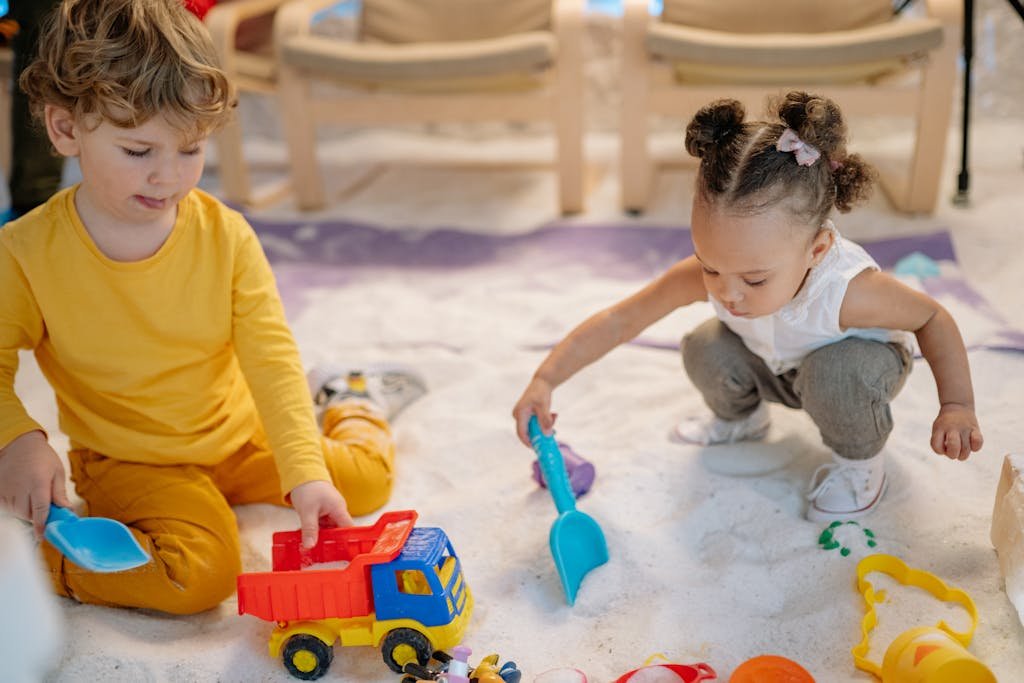
2. Playdough or kinetic sand.
Toddlers love the texture. Give them tools: rolling pins, cookie cutters, plastic knives. Let them squish, roll, and shape. Cleanup is annoying, but worth it.
3. Sensory bins.
Fill a container with rice, dry beans, or pasta. Hide small toys inside. Give them scoops and cups. They’ll dig, pour, and discover for a surprisingly long time.
4. Painting (with supervision).
Finger paints, washable markers, or even just water and a paintbrush on the sidewalk. Let them make a mess. That’s the point.
5. Stickers.
Toddlers are obsessed with stickers. Give them a sheet and let them peel and stick. Occupies them for longer than you’d expect.
Movement & Physical Play
6. Climbing and jumping.
Toddlers need to move. If you have access to a playground, use it. If not, create safe climbing opportunities at home: couch cushions, sturdy furniture, soft surfaces to jump on.
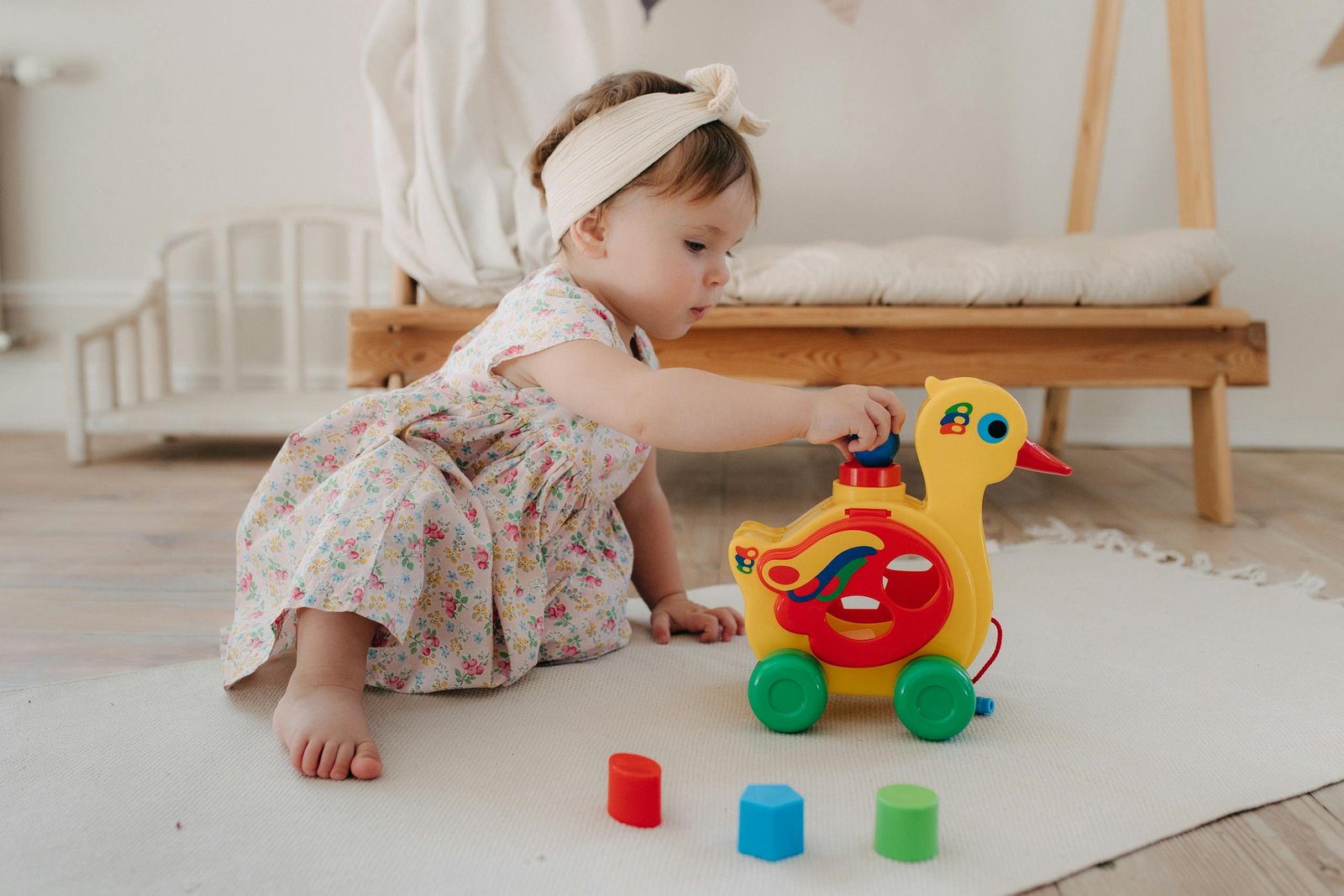
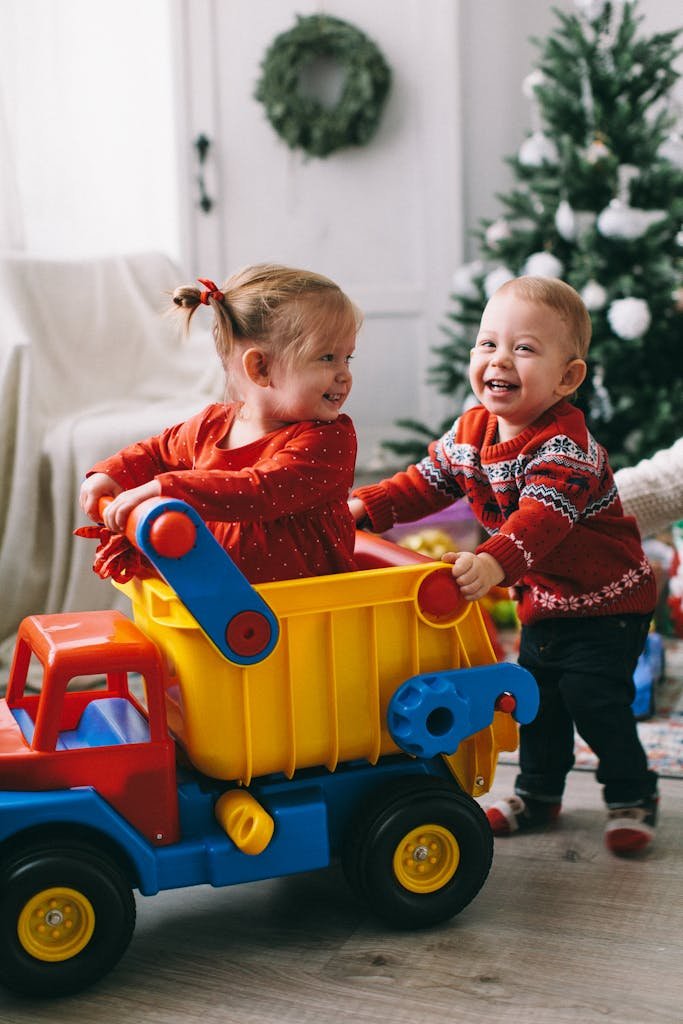
7. Push and pull toys.
Toy shopping carts, wagons, push cars. Toddlers love moving things from one place to another. It mimics adult work and feels purposeful.
8. Balls.
Kicking, throwing, rolling. Simple, active, endlessly repeatable.
9. Dancing.
Put on music. Let them move. Toddlers don’t need structured dance—they just need rhythm and space.
10. Obstacle courses.
Use pillows, tape on the floor, furniture. Make it simple. Toddlers love the challenge of following a path.
Pretend Play & Imitation
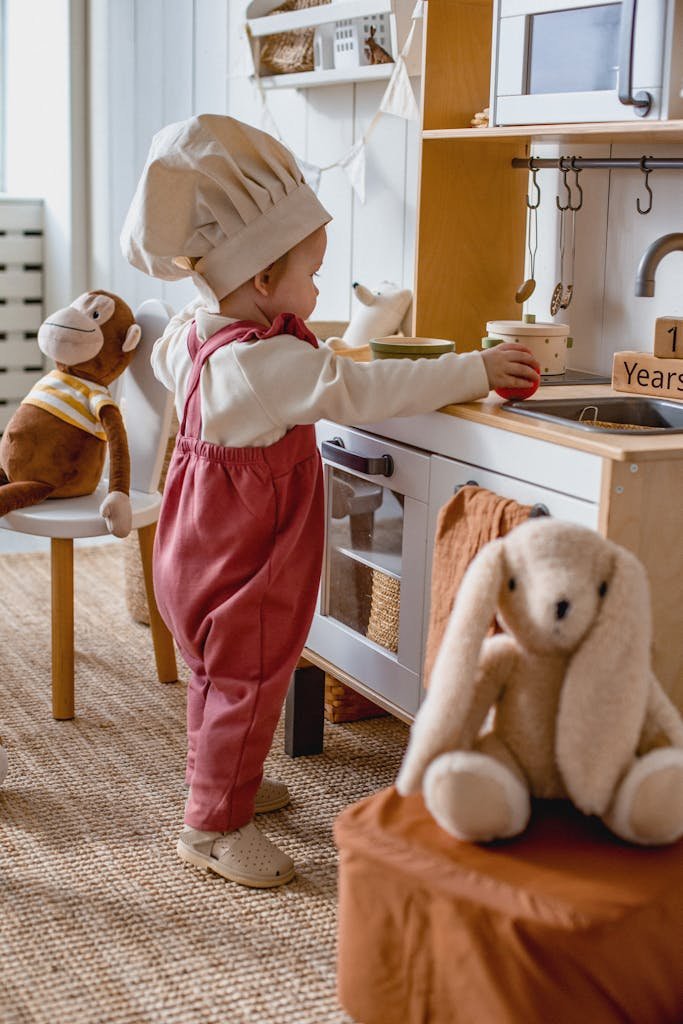
11. Play kitchen.
Toy food, pots, pans, utensils. Toddlers want to do what you do. A play kitchen lets them “cook” while you’re cooking.
12. Tool sets.
Toy hammers, screwdrivers, wrenches. My son is obsessed with tools. He’ll “fix” things around the house for an hour. It’s not about the toy—it’s about feeling capable.
13. Cleaning toys.
Toy vacuum, broom, mop. Toddlers love imitating household tasks. Let them “help” even if it makes the job take longer.
14. Dollhouse or toy figures.
Simple figures and a space for them to “live.” Toddlers start creating narratives earlier than you’d think.
Building & Stacking
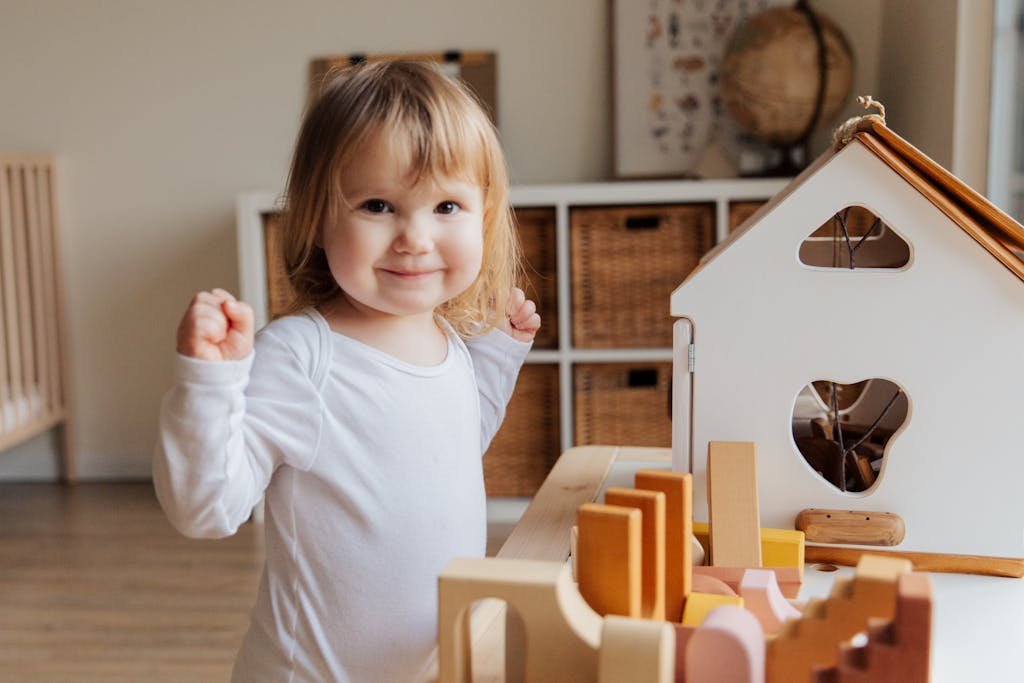
15. Blocks.
Wooden blocks, foam blocks, cardboard blocks. Stacking and knocking down. Repetitive but engaging.
16. Magnetic tiles.
These hold attention longer than most toys. Building three-dimensional structures satisfies toddlers’ need to create and destroy.
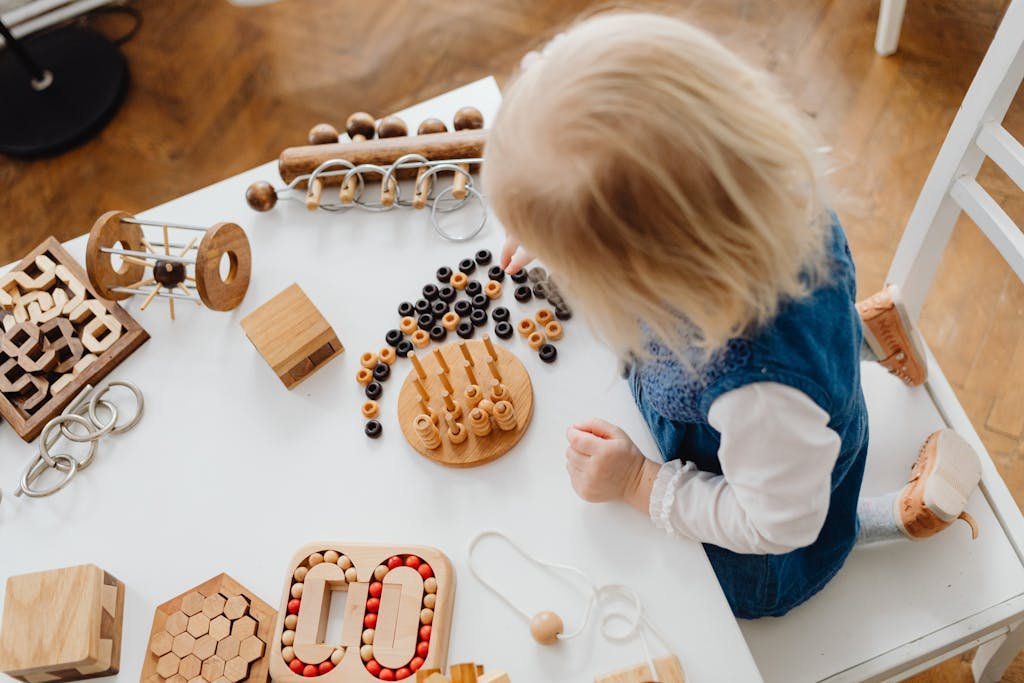
17. Nesting and stacking toys.
Cups that fit inside each other. Rings that stack. Simple, but teaches spatial reasoning.
Social & Group Activities
18. Play spaces and play cafés.
If you have access, use them. Indoor play spaces are designed for toddlers: climbing structures, soft play areas, age-appropriate toys, other kids. We go a few times a week. It’s $50/month for unlimited access, and it’s the best money I spend. My son plays for an hour or two, burns energy, and interacts with other kids. I get to sit with coffee.
19. Playdates.
Even young toddlers benefit from parallel play. They don’t need to interact much—they just need to be near other kids.
20. Library story time.
Many libraries offer free toddler story time. Short, structured, social.
Books & Quiet Time
21. Board books.
Toddlers won’t sit still for long stories yet, but board books with textures, flaps, and simple images hold attention. Read the same book fifty times if that’s what they want. Repetition is how toddlers learn.
22. Audiobooks or music.
Toddlers can listen while playing. Background music or simple stories create a calm atmosphere without requiring visual attention.
What Actually Keeps Toddlers Engaged
Toddlers stay engaged when activities:
- Involve real-life imitation (cooking, cleaning, building)
- Allow repetition (they’ll do the same thing over and over)
- Provide sensory input (textures, sounds, movement)
- Feel “grown-up” (tools, kitchen items, cleaning toys)
- Allow autonomy (they can control the outcome)
What doesn’t work:
- Overly complex toys with too many features
- Activities that require sustained focus (they can’t yet)
- Toys that do everything for them (pressing a button to make something happen)
When Toddlers Get Bored (And Why That’s Okay)
Toddlers will get bored. That’s normal. Boredom is not an emergency.
When my son is bored, I don’t immediately offer a new activity. I let him sit with it. Sometimes he’ll wander around the house, pick up something random, and play with it for twenty minutes. Sometimes he’ll just follow me around while I do chores.
Boredom teaches kids to generate their own entertainment. Screens eliminate that skill entirely.
Toddlers don’t need elaborate setups. They need simple materials, space to move, and time to explore. The hardest part isn’t finding activities. It’s tolerating the mess, the noise, and the slower pace. But the payoff—a toddler who can entertain themselves, focus on tasks, and explore independently—is worth it.
If screens have already become your toddler’s default—and you’re not sure how to take them back—I wrote about exactly how we removed them after months of dependency: Morning Routine for Kids Without Screens: What Actually Works (From a Mom Who Learned the Hard Way)
But the payoff is worth it: a toddler who can entertain themselves, focus on tasks, and explore independently.