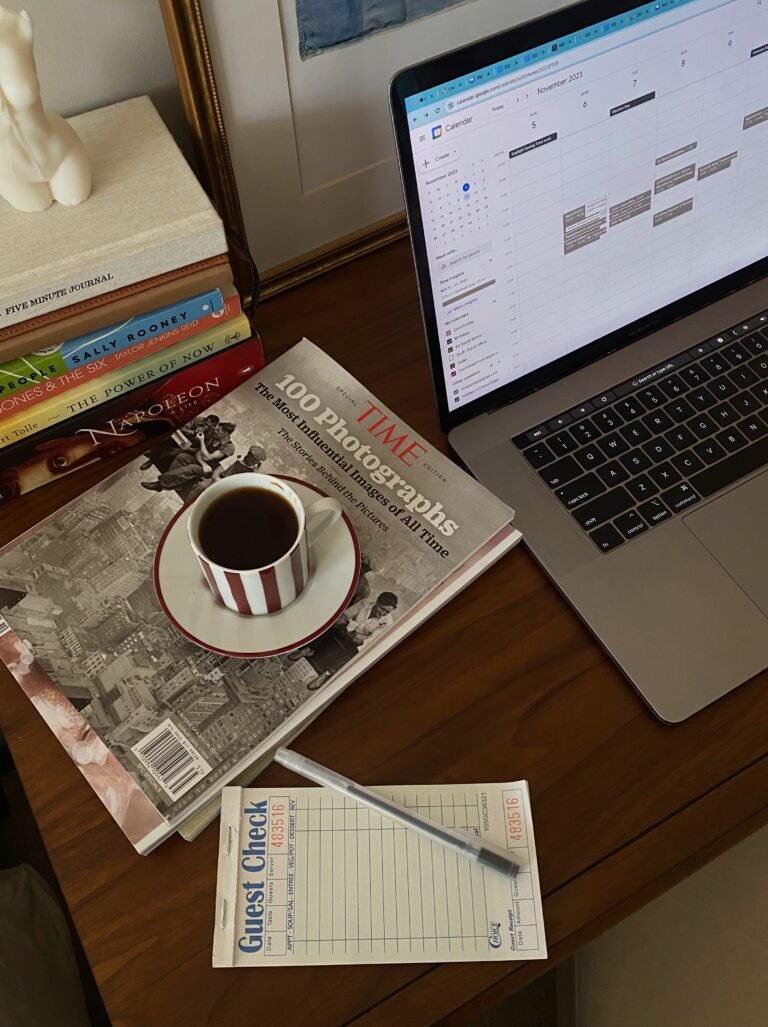

Screen-free activities are more than just alternatives to scrolling. They’re how you reclaim time, attention, and presence. This guide covers what works, what doesn’t, and how to make offline life feel natural again.
Screen-free activities sound simple in theory. Just… don’t use screens.
But in practice, it’s harder than it should be. Screens are everywhere. They’re how we communicate, work, learn, entertain ourselves, and manage our lives. Removing them entirely isn’t realistic for most people.
The goal isn’t to eliminate screens. It’s to stop defaulting to them.
Screen-free activities work when they’re easier, more appealing, or more satisfying than reaching for a device. The challenge is creating an environment where that’s actually true.
This post is a complete guide: why screen-free activities matter, what actually works, and how to build a life where offline time feels natural instead of effortful.
Screen-Free Activities by Category
For Kids
- Outdoor play: Playgrounds, parks, hiking, biking, scavenger hunts
- Creative play: Building with blocks, drawing, painting, crafts, playdough
- Imaginative play: Pretend play, dress-up, building forts, dolls and action figures
- Physical play: Obstacle courses, sports, dancing, climbing
- Games: Board games, card games, puzzles, word games
- Social activities: Playdates, play spaces, sports teams, classes
Related: Screen-Free Activities for Kids | Screen-Free Activities for Toddlers
For Teens
- Creative pursuits: Drawing, writing, photography, music, crafts
- Physical activities: Sports, skateboarding, biking, hiking, gym workouts
- Social activities: Hanging out in person, board game cafés, group hobbies
- Skill-building: Learning an instrument, cooking, coding (offline), building projects
- Solo activities: Reading, journaling, walking, listening to music (not while scrolling)
Related: Screen-Free Activities for Teens
For Adults
- Hobbies: Gardening, woodworking, knitting, painting, cooking, puzzles
- Physical activities: Walking, hiking, biking, yoga, strength training, dancing
- Social activities: Book clubs, game nights, volunteering, maker spaces
- Skill-building: Learning a language, playing an instrument, cooking techniques
- Restoration: Reading physical books, journaling, meditating, sitting outside
Related: Screen-Free Hobbies
For Families
- Outdoor activities: Hiking, camping, fishing, parks, bike rides
- Home activities: Cooking together, board games, puzzles, building projects
- Community activities: Library visits, farmers markets, local events, volunteering
- Creative projects: Art projects, building models, gardening, decorating spaces
Seasonal & Context-Specific
- Rainy days: Indoor games, puzzles, reading, baking, crafts, building projects
- Winter: Indoor hobbies, board games, reading, cooking, museum visits
- Summer: Outdoor activities, swimming, hiking, camping, gardening, picnics
- Weekends: Longer projects, social activities, hobbies that require setup time
Related: Screen-Free Activities for Summer
Why Screen-Free Activities Matter
The problem with screens isn’t screens. It’s what they replace.
When screens fill your time, you lose:
- Deep focus (because screens train your brain to seek constant stimulation)
- Creativity (because passive consumption replaces active creation)
- Physical activity (because sitting and scrolling is the default)
- Social connection (because digital interaction replaces face-to-face presence)
- A sense of accomplishment (because scrolling produces nothing tangible)
Screen-free activities restore those things. Not because they’re morally superior, but because they’re structured differently. Offline activities require sustained attention. Screens fragment it. Offline activities build skills. Screens don’t.
The Real Barrier to Screen-Free Living
The biggest obstacle isn’t time. It’s inertia.
Screens are effortless. You don’t have to decide what to do, set anything up, or commit to anything. You just open an app and let the algorithm feed you content.
Screen-free activities require effort:
- Deciding what to do
- Gathering materials
- Tolerating the initial discomfort of starting something
- Accepting that you won’t be immediately good at it
That friction is why most people default to screens even when they don’t want to. It’s not that offline activities are less appealing—it’s that screens are easier.
The solution isn’t willpower. It’s reducing friction. Make screen-free activities the default. Make screens the exception.
What Actually Works (And What Doesn’t)
What Works:
Activities with tangible outcomes.
Cooking, building, gardening, crafting. You end with something real.
Activities that require focus.
Puzzles, reading, complex projects. These train sustained attention.
Activities that involve movement.
Walking, biking, sports, dancing. Physical activity reduces the urge to scroll.
Activities with social accountability.
Clubs, classes, group hobbies. Other people create natural structure.
Activities that feel purposeful.
Learning a skill, volunteering, creating something. Purpose motivates more than entertainment.
What Doesn’t Work:
Forcing yourself to do things you hate.
You’ll quit immediately.
Treating offline time as punishment.
“No screens until you do X” makes screens the reward and everything else the chore.
Expecting instant satisfaction.
Screen-free activities take time to become enjoyable. Give them two weeks before deciding.
Trying to do everything at once.
Pick one or two activities. Build from there.

How to Make Screen-Free Activities the Default
1. Remove friction.
Make offline activities easier to start than reaching for your phone. Keep books visible. Leave art supplies out. Put walking shoes by the door.
2. Add friction to screens.
Delete apps from your phone. Use website blockers. Put your phone in another room. Make scrolling harder than doing something else.
3. Schedule specific screen-free times.
No phones during meals. No screens for the first hour after waking up. And no devices in bed. Clear boundaries work better than vague intentions.
4. Replace, don’t restrict.
Don’t just remove screens. Replace them with something specific. Instead of scrolling after dinner, read. Instead of watching TV before bed, do a puzzle.
5. Let yourself be bored.
Boredom is not an emergency. It’s the space where creativity and motivation begin. Tolerate it.
My Experience Building a Screen-Free Life
I started looking for ways to stop scrolling when I noticed how often my hand reached for my phone without any real reason. Not because something urgent was happening, not because I was bored, but simply because the habit had become stitched into the in-between moments of my day. Two minutes while the coffee brews, a pause before switching laundry, the slow part of the afternoon when the house gets quieter and my mind gets restless.
I realized that scrolling wasn’t bringing anything meaningful, just speed. And right now my life is asking for the opposite. I’m raising a toddler, running a home, trying to build work I care about, and all of it feels better when my attention isn’t scattered into a thousand tiny digital impulses.
So I started testing small, practical changes to help me stop scrolling without making my life rigid or complicated. Nothing extreme, just adjustments that make the analog world easier to enjoy again — the kitchen light in the morning, the warmth of the mug in my hands, the feeling of being actually present for my own day.
I wrote a list here explaining what worked and what didn’t.

When Screens Make Sense
Screens aren’t evil. They’re tools. The problem is when they’re the only tool.
Screens make sense when:
- You’re using them intentionally (watching a specific movie, video calling family, researching something specific)
- You’re creating, not consuming (writing, editing, designing)
- You’re learning something meaningful (online courses, tutorials with clear goals)
- You’re connecting genuinely (messaging someone you care about, not scrolling feeds)
Screens don’t make sense when:
- You’re using them to avoid boredom
- You’re scrolling without purpose
- You’re consuming content that makes you feel worse
- You’re replacing real activities with digital substitutes
Final Thoughts on Screen-Free Activities
Living with less screen time isn’t about rejecting technology. It’s about reclaiming the parts of life that screens quietly replaced.
You don’t need to do everything on this list, and you don’t need to become someone who never uses screens. You just need to stop defaulting to them.
Pick one screen-free activity. Make it easy to start. Give it two weeks. See what happens.
If you want a grounded, complete framework for rebuilding your relationship with your phone—without quitting technology or relying on willpower alone—start here: How to Stop Scrolling (Complete Guide).
It walks through the specific steps that worked for me after years of failed attempts. Not tips. Not hacks. A system.
And if you want to explore this conversation more deeply, the After Scroll newsletter continues it quietly, one week at a time.