An aesthetic routine isn’t about looks—it’s about alignment. Learn how to build habits that support your new identity and make real change sustainable.
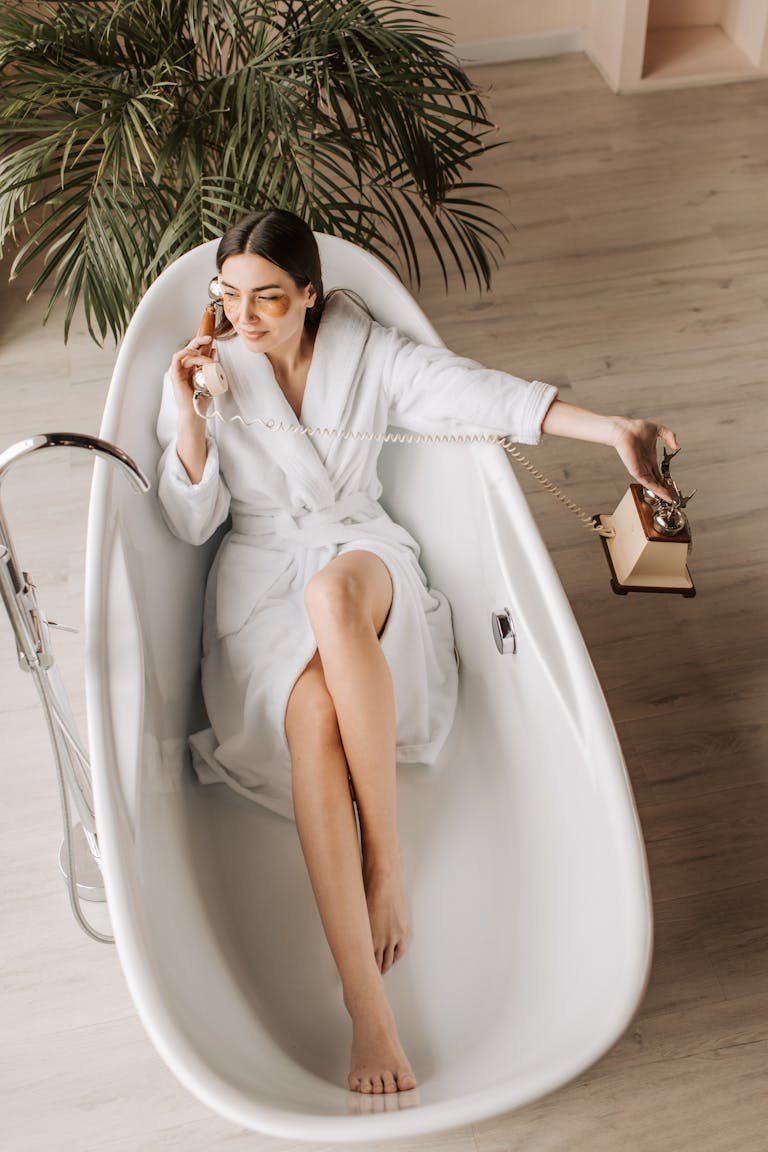
I used to think aesthetic was about buying the right things.
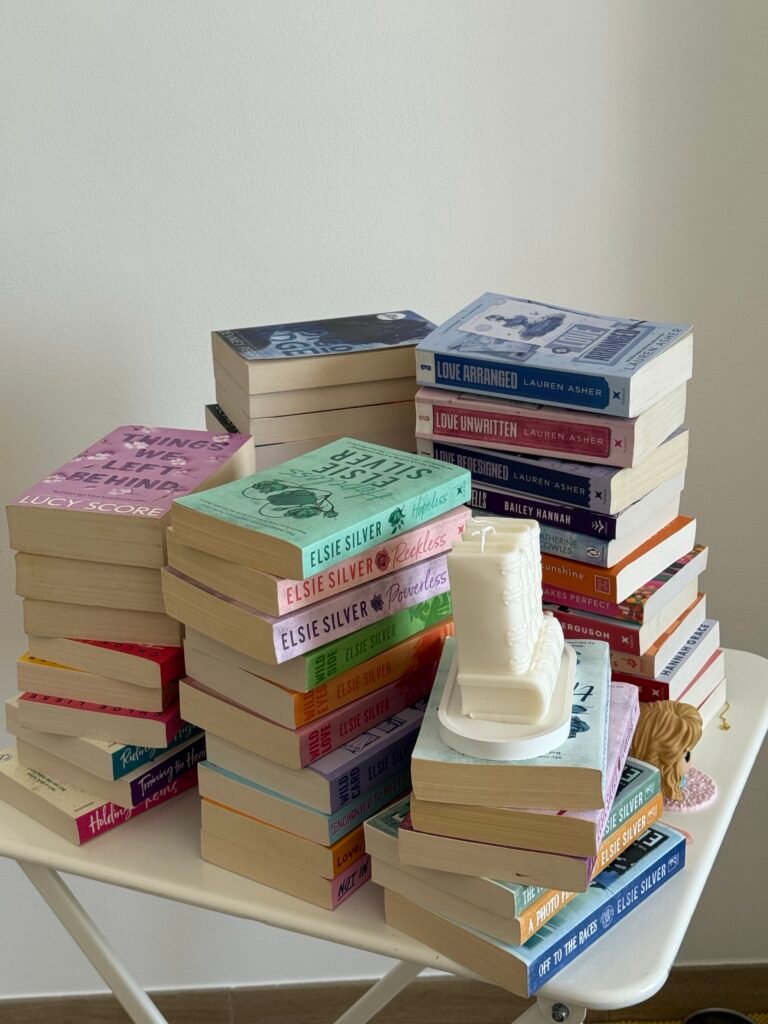
The perfect planner. The minimalist water bottle. The aesthetic desk setup. The coordinated workout clothes. The carefully curated bookshelf that looked good in photos but never actually got read.
I’d see someone’s Instagram feed—their morning routine, their workspace, their entire life looking cohesive and intentional—and think: if I just buy those same things, I’ll become that kind of person.
So I’d buy the things. And for a day or two, I’d feel different. Like I was finally becoming the version of myself I wanted to be.
But the feeling never lasted. Because aesthetic without aligned habits is just decoration.
Real aesthetic doesn’t come from what you own. It comes from what you do consistently.
When your daily habits actually match your new identity, aesthetic stops being something you perform and starts being something you live. And that’s when everything changes.
The Instagram Aesthetic Trap
Here’s what social media taught us about rebranding: it’s visual.
New clothes. New aesthetic. New morning routine setup with the perfect coffee mug and journal arranged just so. New desk organization. New everything, carefully curated to signal transformation.
And yes, visual changes matter. Your environment affects your behavior. What you wear affects how you show up. These things are real.
But here’s the trap: Instagram sells you the aesthetic of transformation without the infrastructure that makes transformation possible.
You see the photo of someone’s morning journaling practice. You don’t see the six months it took them to build that habit. You don’t see the days they skipped. You don’t see the internal work that makes sitting down to journal feel natural instead of performative.
You see the minimalist workspace. You don’t see them removing everything that didn’t serve them. You don’t see the decisions behind what stayed and what left. You don’t see the discipline of keeping it that way.
What you’re seeing is the result, not the process. And when you try to skip straight to the result—buying the aesthetic without building the habits—it falls apart within days.
What Aesthetic Actually Means During a Rebrand
Aesthetic, in its truest sense, isn’t about how things look. It’s about alignment between who you are and how you live.
When your habits match your identity, aesthetic emerges naturally. Your space reflects your values because you only keep what serves them. Your routine looks intentional because it is intentional. Your life has a cohesive feeling because the choices you make every day point in the same direction.
This is completely different from buying an aesthetic and hoping it changes you.
Real aesthetic is what happens when:
- Your morning routine actually supports your priorities (not someone else’s)
- Your workspace is set up for your real work (not for photos)
- Your home reflects what you actually value (not what you think you should value)
- Your clothes match who you’re becoming (not who Instagram says you should be)
- Your daily habits create the life you want (not the life that looks good online)
Aesthetic becomes authentic when it’s built on habits, not purchases.
The Habits That Create Real Aesthetic
Let me show you what this looks like in practice—not as rules to copy, but as examples of how habits create aesthetic more powerfully than any purchase ever could.
1. Consistent Morning Routine Creates Morning Aesthetic
You know those photos of perfect morning routines? The aesthetic coffee setup, the journal, the book, the soft morning light?
That aesthetic doesn’t come from owning a nice mug. It comes from actually having a morning routine you follow consistently.
When you wake up at the same time every day, your mornings have rhythm. When you protect that time from screens, your space stays calm. When you do the same few things every morning—exercise, shower, coffee, work on your priority—the aesthetic emerges from the pattern, not the props.
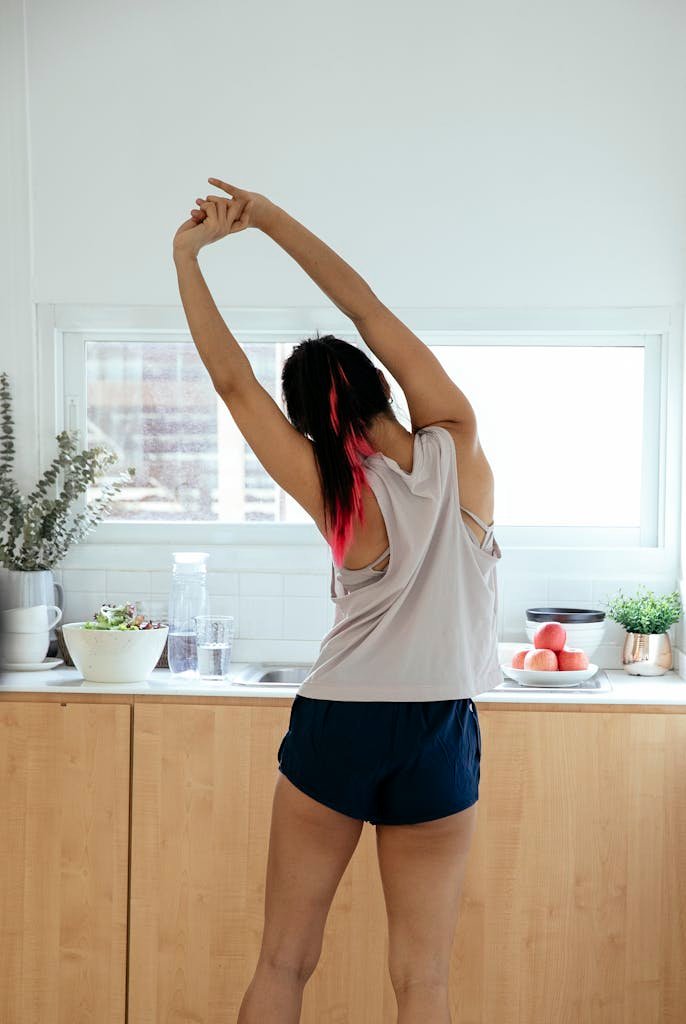
My morning routine isn’t Instagrammable. I work out in my kitchen while my son eats breakfast. My “aesthetic” is a YouTube workout playlist and whatever’s practical.
But because I do it consistently, my mornings have a quality that no amount of aesthetic purchases could create: they’re mine. They’re intentional. They reflect my actual priorities.
That’s real aesthetic.
2. Intentional Space Design Reflects Real Values
Your space should support your habits, not perform them.
If you’re trying to write more, your workspace should make writing easy—not look like a writer’s desk for the aesthetic.
If you’re trying to cook healthier meals, your kitchen should make healthy cooking convenient—not look like a minimalist kitchen from Pinterest.
If you’re trying to read more, your reading spot should be comfortable and phone-free—not styled like a bookstagram photo.
The aesthetic comes from designing your space around what you actually do, not what you wish you did or what looks good in photos.
For me, that means:
- Echo Show in the kitchen (function over aesthetic—it announces my calendar, syncs my tasks, keeps me on track)
- Physical planner always visible (so I actually use it)
- Workspace at the kitchen table (because that’s where I actually work, not in some idealized home office I don’t have)
- Minimal phone presence (function: fewer distractions)
None of this is “aesthetic” by Instagram standards. But it works. And over time, what works becomes beautiful because it’s honest.
3. Wardrobe That Matches Who You’re Becoming
This is where most people start—and where most people get it wrong.
They buy new clothes thinking it will make them a new person. And then they stand in front of a closet full of clothes that don’t fit their actual life and feel more confused than before.
Your wardrobe should reflect who you’re becoming through your daily habits, not who you hope to become through purchases.
Here’s what that actually means:
If you’re building a habit of exercising every morning, you need workout clothes you actually wear—not cute athleisure you’re saving for when you “look better.”
If you’re working from home and showing up for your work seriously, you need real clothes that make you feel professional—not pajamas or “comfortable” clothes that keep you in休息 mode.
If you’re building a life where you leave the house, see people, and show up fully, your everyday wardrobe should reflect that—not just the “special occasion” outfits you rarely wear.
The aesthetic comes from wearing clothes that match your actual life. Not the life you think you should have. Not the life that photographs well. Your real, daily life.
When your wardrobe aligns with your habits, getting dressed becomes effortless. You’re not performing. You’re just being who you already are.
4. Environment That Removes Friction
Real aesthetic isn’t about adding more. It’s about removing what doesn’t belong.
The things that make your habits harder? Remove them.
The things that tempt you back into old patterns? Remove them.
The visual clutter that fragments your attention? Remove them.
For me, this looked like:
- Keeping my phone out of my bedroom (removes the temptation to scroll first thing)
- Keeping my phone in the kitchen instead of my pocket (removes constant access)
- Using a wallet-style phone case that closes (removes the visual pull of the screen)
- Deleting apps I don’t need (removes decision fatigue about what to check)
These aren’t aesthetic choices in the Instagram sense. But they create an aesthetic in the truest sense: an environment that reflects my values and supports my habits.
And that’s more beautiful than any curated photo could ever be.
The Difference Between Aesthetic and Authenticity
Here’s the question that separates real transformation from performative change:
Are you building habits that create aesthetic as a byproduct, or are you creating aesthetic hoping it will create habits?
If you buy the planner because you want to be organized, but you never actually plan, the planner is just decoration.
If you create a beautiful reading nook but never read there, it’s performance, not habit.
If you buy new workout clothes but don’t work out, you’re chasing aesthetic without building infrastructure.
But if you build the habit first—plan your week every Saturday, read for 15 minutes before bed, exercise every morning—the aesthetic follows naturally. You end up with a planner that’s actually used (which looks different from a pristine, empty one—and that’s beautiful). You end up with a reading spot that’s lived-in (which has its own aesthetic). You end up with workout clothes that are worn (which is more real than anything perfectly styled).
Authenticity always beats aesthetic. And when you build habits that match your identity, aesthetic becomes authentic.
How to Build Aesthetic Through Habits, Not Purchases
If you want your life to actually look and feel like the rebrand you’re attempting, focus on these principles:
1. Start with identity, not image
Ask: Who am I becoming? Not: What does that person’s Instagram look like?
Your habits should reflect your answer to the first question. The second question is irrelevant.
2. Build one habit at a time
Don’t try to overhaul your entire aesthetic overnight. That’s performative, and it doesn’t stick.
Pick one habit that aligns with your new identity. Build it until it’s automatic. Then add the next one.
The aesthetic emerges slowly as the habits compound.
3. Remove before you add
Before buying anything new, remove what doesn’t fit anymore.
Clothes that don’t match who you’re becoming? Donate them.
Decor that doesn’t reflect your values? Let it go.
Commitments that don’t align with your priorities? Cancel them.
The space you create by removing makes room for what actually belongs.
4. Let your environment support your habits
Design your space around what you actually do, not what you wish you did.
If you work at the kitchen table, make that workspace functional. Don’t pretend you’ll suddenly start working in a perfectly styled home office.
If you exercise in your living room, keep your workout stuff accessible. Don’t hide it because it’s not aesthetic.
Your life should work first. Aesthetic follows function.
5. Consistency creates aesthetic
A habit done daily for weeks creates more aesthetic than any purchase.
The worn yoga mat. The coffee ritual. The journal with pages filled in. The planner that’s actually used. The routine that runs like clockwork.
That’s aesthetic. Not because it photographs well, but because it’s real.
What This Looks Like in Real Life
Let me be honest about what my “aesthetic routine” actually looks like:
Morning: I wake at 7am. I work out in my kitchen in whatever’s practical while my son eats breakfast. I use a YouTube playlist I’ve already chosen so I don’t waste time deciding. I shower. I start working on my blog.
There’s no soft morning light. No aesthetic coffee setup. No perfectly styled workspace.
But there’s rhythm. There’s intention. There’s consistency.
And over time, that consistency created its own aesthetic—not for Instagram, but for me. My mornings feel calm because they’re predictable. My space feels clear because I’ve removed what doesn’t serve me. My routine feels aligned because it actually matches my priorities.
That’s the aesthetic I was searching for when I kept buying planners and organizational systems and “morning routine essentials.” But I could never buy it. I could only build it, one habit at a time.
The Aesthetic That Lasts
Purchases fade. Trends change. What looks good in photos doesn’t always feel good in real life.
But habits? Habits create a life that feels cohesive from the inside, not just the outside.
When your daily actions align with your identity, you stop performing transformation and start living it.
And that—the feeling of actually being who you’re trying to become—is the only aesthetic that matters.
Related Posts
This is part of my rebranding series: