
Learn how to create a daily analog hour at home to reset your attention, slow down, and reconnect offline in a calmer, more intentional way.
Picture this: it’s a regular weeknight at home. The dishes are done, the notifications are quiet, and instead of dissolving into “just one more episode” or a late-night scroll, there’s an hour that actually feels like yours.
There’s a record playing, or a candle burning on the table. A notebook is open. Maybe you’re working on a puzzle with your partner, copying down a recipe by hand, writing in your planner, or reading a book that’s been waiting on your nightstand for months.
No feeds. No tabs. And no endless refresh.
Just one analog hour at home—a small, repeatable container that helps your evenings feel intentional again.
This piece is the case for giving that hour a job.
What Is an “Analog Hour” (and Why It Matters Now?)
An analog hour is a simple idea:
A protected block of time at home—usually 30–60 minutes—where you step fully out of screens and back into the physical world on purpose.
It’s less about being anti-technology and more about being pro-life-you-can-feel:
- Your hands touch paper, fabric, wood, or dough instead of glass.
- Your eyes rest on lamps, pages, people, and real objects instead of blue light.
- Your attention is used to make or tend to something instead of endlessly consume.
After Scroll exists to help women move from passive consumption to active construction of their lives. An analog hour is one of the cleanest ways to do that at home. It quietly supports:
- Structure: a daily or weekly rhythm you can trust.
- Habits: one repeatable window where better choices don’t require willpower.
- Environment: a home that invites you into real life, not just better screens.
- Relationships: shared rituals that actually feel good to do together.
Instead of trying to “scroll less,” you create one well-defined place where scrolling simply isn’t the default.
Why an Analog Hour Works Better Than “Less Screen Time”
“Less screen time” is vague. It relies on guilt, willpower, and mood.
An analog hour is specific. It relies on rules and containers, not feelings.
You can see this clearly in the arc of your digital wellbeing work so far. In Digital Wellbeing Isn’t About Less Tech—It’s About Better Rules, we shifted away from vague goals and toward concrete structures: phones charging in a specific place, social apps removed from the phone, computers off outside work hours.
An analog hour borrows that same logic and applies it to time:
- It has a start and end. You’re not trying to live a screen-free life; you’re living a screen-free hour.
- It has a clear job. “This hour is where we read, write, cook, play, or make things with our hands.”
- It has rules you actually believe in. Not punishment; protection.
Instead of:
“I should be on my phone less at night.”
You move to:
“From 8:30 to 9:30, my phone lives somewhere else. This is analog time.”
That tiny shift—from a vague wish to a named container—is where change starts to stick.
Step 1: Design the Shape of Your Analog Hour
Before you pick activities, decide what this hour is for in this season.
A few options:
- Recovery: after a mentally full workday, you want soft, low-stakes activities that regulate your nervous system.
- Making: you want a protected window to write, sketch, sew, bake, or practice an instrument.
- Connection: you want an hour each week that belongs to your partner, roommates, or kids—phones away, everyone present.
Choose a direction that feels appealing, not aspirational. The point isn’t to become a new person overnight. It’s to give the current version of you a place to land that isn’t the algorithm.
Then, sketch the basics:
- When: nightly after dinner? Two weeknights + one slow weekend morning? Sunday afternoons?
- Where: living room, dining table, kitchen counter, bedroom chair, balcony?
- With whom: solo, with a partner, with kids, with a friend on speakerphone as you both craft in your own homes?
Write that down somewhere—a sticky note on the fridge or the inside cover of your planner. The more concrete it is, the less it relies on “feeling like it.”
Step 2: Give Your Phone (and Other Screens) a Clear Job
An analog hour isn’t a moral judgment on technology. It’s a boundary experiment.
Digital habits change when you change the rules, not just your intentions. You’ve seen versions of this in posts like Low Dopamine Morning Routine: A Practical Guide to Starting Your Day Without Your Phone: moving your phone to another room, delaying the first scroll, using a simple alarm clock instead.
For an analog hour at home, start with 2–3 simple, generous rules:
- Phones have a home outside the zone. During your analog hour, they charge on the freezer, in the hallway, or on a tray by the entry—not on the coffee table.
- No “background” TV. If you watch something, it’s on purpose and after the hour. The analog block isn’t the waiting room before a show; it’s the main event.
- Tablets and laptops stay closed. If you use a device, it’s in service of the analog hour (for music or a recipe), not a second screen.
You’re not banning technology from your life. You’re telling your brain: For this one slice of time, our attention belongs here.
Step 3: Choose Analog Activities That Actually Feel Good
This is where many people get stuck. They finally put their phone down… and then have no idea what to do with themselves.
Instead of trying to create the perfect new hobby from scratch, think in layers of effort:
Soft, zero-pressure activities (perfect for tired nights)
- Leafing through a magazine or coffee-table book
- Copying a recipe by hand into a notebook
- Light journaling (lists, not essays)
- Folding laundry or resetting a small corner of the house
Gentle creative work
- Sketching or watercoloring with no goal
- Knitting a simple scarf or dishcloth
- Filling in a physical planner or analog habit tracker
- Practicing hand lettering or calligraphy
Slightly more effort, bigger reward
- Reading an actual book you’ve been “saving”
- Baking or cooking something that takes stirring and waiting
- Working on a puzzle with someone you love
- Tending to plants or a small balcony garden
If you want more ideas, the existing library is already full of them:
- Screen-free menu: Screen-Free Activities: The Complete Guide to Living With Less Screen Time gives you a big, choose-your-own-adventure list you can pull from any time your brain says “I’m bored.”
- Deeper offline projects: Screen-Free Hobbies: How to Find Offline Activities That Actually Stick walks you through choosing hobbies that fit your energy and life so the analog hour doesn’t become another obligation.
You don’t need 20 ideas every night. You need one or two things that are already set up when the hour begins.
Step 4: Let Your Home Help You Keep the Promise
Environment matters more than motivation.
If your analog hour happens in a room that’s still designed around screens, you’ll always feel like you’re swimming upstream.
I already talked about this in posts like How to Create a Phone-Free Living Room You’ll Love. Think of the analog hour as the time-based companion to those space-based changes.
To make that hour easier, ask:
- What is the literal job of this space during analog time?
- What do my eyes land on first when I sit down?
- What’s within arm’s reach—and what needs to move?
A few small tweaks:
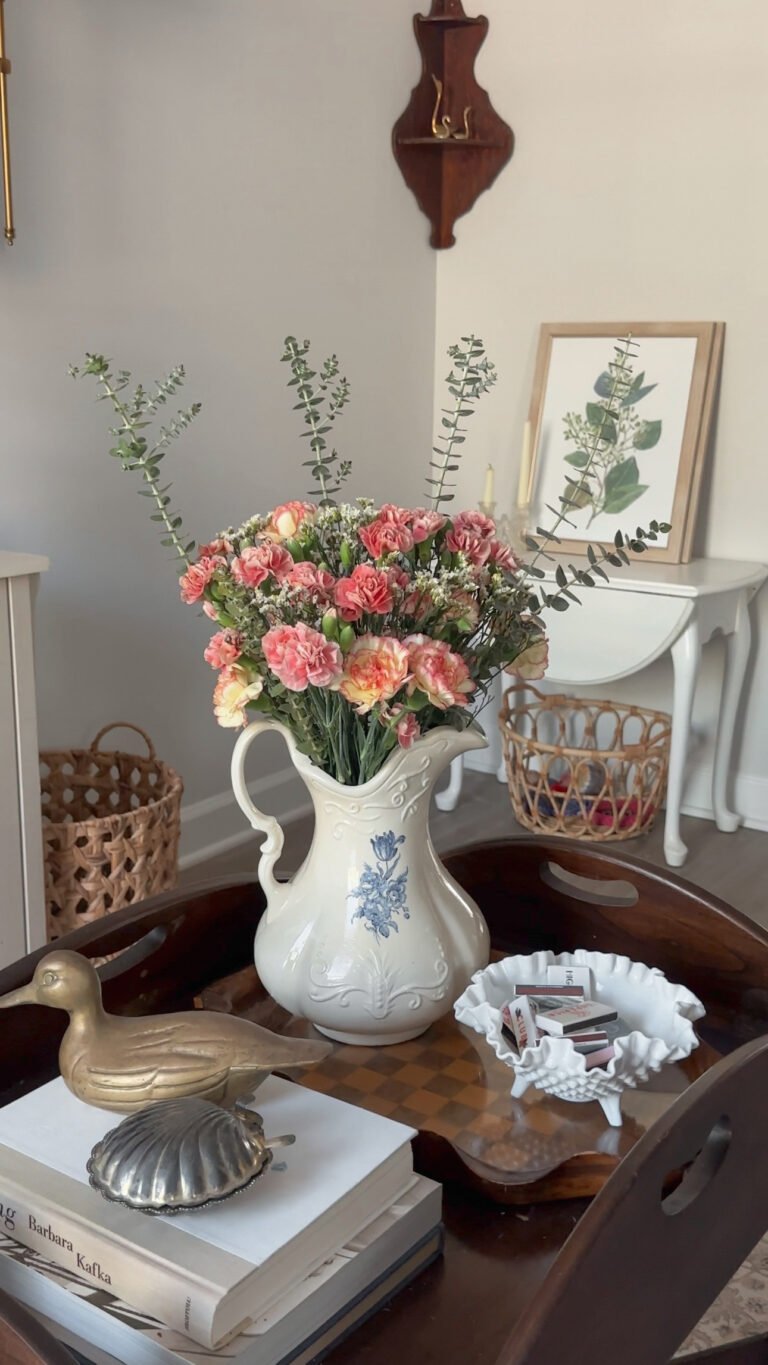
- Put a basket of analog supplies (books, puzzle, knitting, cards, notebook) next to the seat you’ll use.
- Lay your book or journal open to your page before the hour starts.
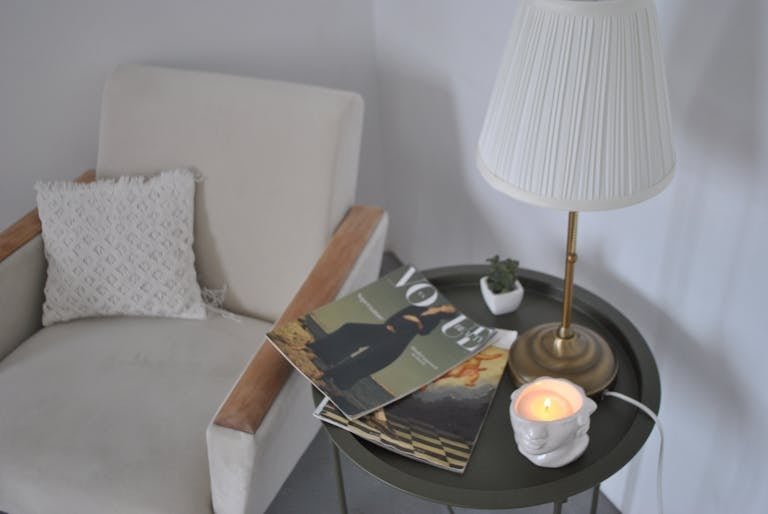
- Light a candle, turn on one lamp, or put on a playlist that you only use during analog time so your brain learns: this is that hour.
You’re making it slightly harder to fall into old loops, and slightly easier to step into the new one.
Step 5: Anchor the Hour to Something You Already Do
Habits stick when they attach to an existing rhythm.
Instead of “I’ll do an analog hour whenever I have time,” try:
- After dinner: “Once the dishes are done, we set a timer for 45 minutes. That’s analog hour.”
- After kid bedtime: “When the kids are in bed, phones go to their home, kettle goes on, and we read or play a game.”
- Weekend mornings: “On Saturdays, we don’t check our phones before we’ve spent an hour doing something analog at home.”
This pairs beautifully with routines you may already be building, like the low-dopamine mornings in A Practical Guide to Starting Your Day Without Your Phone. Mornings protect your focus. An analog hour protects your evenings.
Keep the bar low enough that you can hit it even on messy, real-life days. Ten minutes is better than zero. Half an hour with a half-finished puzzle is better than a perfect, cinematic setup you never actually get to.
Step 6: Protect Relationships Inside the Analog Hour
Analog time isn’t just about personal hobbies—it’s also about how you relate to the people who share your home.
Phones on the table change the whole atmosphere of an evening. You’ve probably felt the difference between:
- A night where everyone is half-watching a show, half-scrolling; and
- A night where the same people are doing something—anything—together.
Use the analog hour to:
- Play a board or card game (even something simple you can repeat every week).
- Cook or bake together, with actual tasks instead of one person doing everything.
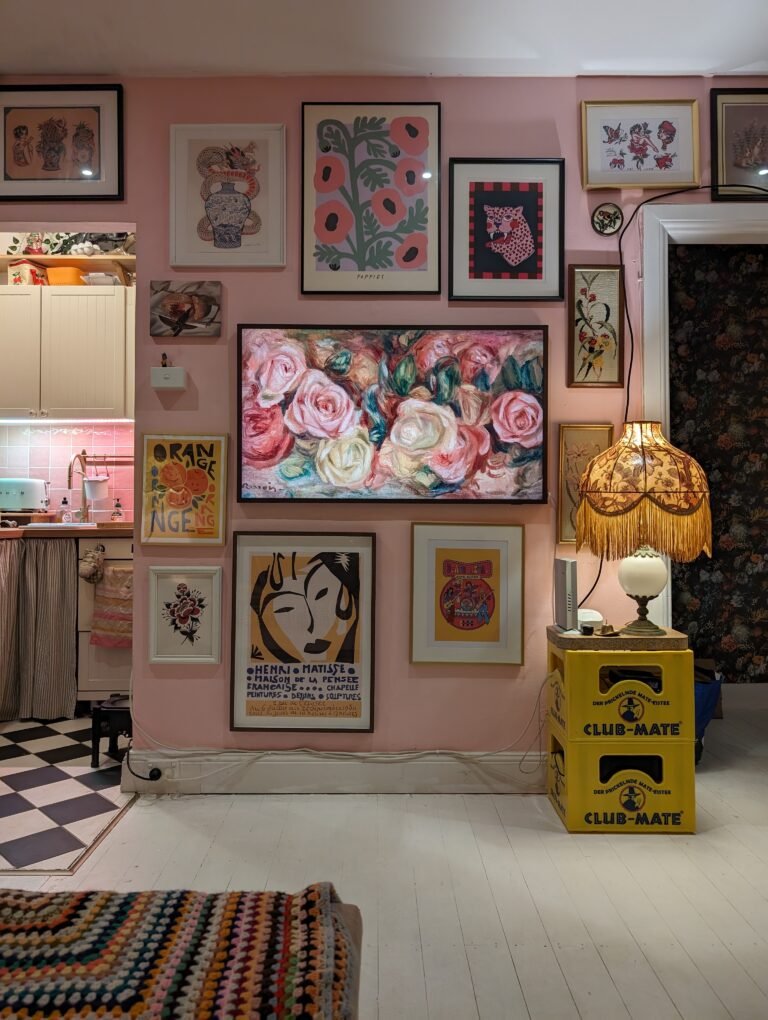
- Do a small home project side by side—rearranging a shelf, hanging art, planting herbs.
- Sit on the floor with your kids and let them “help” with a puzzle, blocks, or crayons.
The content of the hour matters less than the texture of it: voices instead of notifications, eye contact instead of glances at a screen, shared jokes instead of shared memes.
Over time, this becomes one of the quiet ways your home stops training you to scroll and starts training you to land together.
Step 7: Let the Analog Hour Be Imperfect (But Consistent)
There will be nights when you skip it. Nights when you start, sit down with good intentions, and end up in a scroll tunnel anyway. Nights when the kids are wild, dinner runs late, or you’re simply exhausted.
That doesn’t mean the practice failed. It means you’re human.
Instead of aiming for a perfect streak, aim for:
- Most days, most weeks. An analog hour 4 nights out of 7 will change the feel of your home.
- Shorter when needed. On heavy days, make it 15 minutes. Light a candle, read two pages, close the book.
- Gentle resets. Each time you notice you’ve drifted back to screens, you can always begin again tomorrow.
Remember: the goal isn’t a spotless, screen-free life. It’s a home where offline life has a reserved seat at the table.
How an Analog Hour Changes the Rest of Your Day
After a few weeks, you’ll start to notice small, quiet shifts:
- Evenings feel less slippery; they don’t disappear into a blur of tabs and feeds.
- You go to bed with a calmer nervous system.
- Mornings feel less like a rescue mission from last night’s choices and more like a continuation of the same slow, steady story you’re writing.
Most importantly, you begin to trust yourself at home again, because your days now contain at least one hour that proves: you’re capable of building a life that’s richer than your screen.