
Disclosure: This post may contain affiliate links. If you click and make a purchase, we may receive a small commission at no extra cost to you. We only recommend products we genuinely use, love, or believe align with the After Scroll philosophy.Social media didn’t just lower my self-esteem—it made it impossible to build any at all. This is the story of how constant comparison, broken promises, and four years of mental noise almost convinced me I was failing at life. And why leaving was the only way forward.
For years, I thought my problem with social media was that I wasn’t strong enough to ignore the comparison.
That if I just practiced more gratitude, affirmed my worth, or stopped caring what other people thought, I’d be fine. That the issue was me—my insecurity, my weakness, my inability to be content with my own life while watching everyone else’s highlight reel.
But I was wrong.
The problem wasn’t that I lacked confidence. The problem was that social media had quietly replaced the very activities that build self-esteem in the first place. And without those activities—without action, follow-through, and evidence that I could trust myself—no amount of positive thinking was going to help.
This realization didn’t come all at once. It took years. It took watching my life stall while everyone else seemed to move forward effortlessly. It took multiple failed attempts to quit. And it took finally stepping back far enough to see what was actually happening.
This is that story. And if you’re reading this because you suspect social media is doing something similar to you—making you feel stuck, restless, envious, or like you’re constantly failing at invisible standards—I hope it helps you see what I couldn’t see for a long time.
The Pandemic: When Comparison Became Unbearable
The relationship between self-esteem and social media shifted dramatically for me during the pandemic. Suddenly, everyone was online. And not just posting their lives—they were selling them.
Course creators exploded. Coaches, consultants, gurus teaching people how to grow on social media, make money online, work for yourself, build passive income. And to prove their authority, they showed off their success. Constantly.
They weren’t just taking vacations. They were performing vacations. The content wasn’t spontaneous—it was strategic. Every beach photo, every “working from a café in Bali” post, every casual mention of their income was marketing. It was designed to make you think: If I don’t have this, I’m behind.
And it worked.
I started feeling worse and worse about my own life. I didn’t have the option to work from anywhere. I didn’t have passive income. I didn’t have some monetizable expertise I could package into a course and sell while I slept. I had an overwhelming sense that I was missing something everyone else had figured out.
The worst part wasn’t even the envy. It was the confusion. I kept thinking: Why can’t I do this? What’s wrong with me?
2022: The Year I Started to Notice Something Was Wrong
It took about two years before I started questioning what I was seeing.
In 2022, I began noticing inconsistencies. The gurus who preached work-life balance were posting at all hours. The ones who claimed to make six figures in six months had been quietly building for years before their “overnight” success. The ones selling courses on financial freedom were making most of their money… selling courses on financial freedom.
None of it was necessarily a lie. But it wasn’t the full story either. And while I was busy consuming their content, analyzing their strategies, and feeling inadequate, I realized something uncomfortable: my own life wasn’t moving forward.
I wasn’t writing. I wasn’t building anything. I wasn’t even taking care of basic things I said I wanted to do. I was just… watching. Scrolling. Absorbing other people’s curated realities while my own days blurred together.
I checked my screen time one day and felt sick. Four hours. Five hours. Sometimes six.
And I couldn’t even explain why. The content didn’t make me happy. It made me restless. Anxious. Bitter. So why was I spending so much time in a place that consistently made me feel worse?
The Pattern I Couldn’t Break (Until I Did)
Between 2022 and 2025, I tried to quit social media multiple times.
I’d delete the apps. Feel relief for a few days. Then reinstall them “just to check something.” Within a week, I’d be back to the same patterns. The same scrolling. The same comparisons. The same sinking feeling.
Each time I failed, I felt worse about myself. If I can’t even control this, what does that say about me? But it wasn’t until 2025, that I finally understood the full picture.
I’m older now. Married. A mother. And maybe maturity gave me the distance I needed to see what was actually happening. Because when I looked at the entire situation clearly, I realized: this isn’t just making me feel bad. This is actively ruining my life.
The emotion of envy is destructive. Not building your own life while watching others build theirs is destructive. Not having choices because you’re too distracted to create them is destructive.
I couldn’t find a single genuine positive. I had never made a real friend through social media. The things I thought I was “learning” were surface-level at best—designed to keep me engaged, not to actually teach me anything useful. And because of the algorithm, I was stuck in a bubble, seeing the same perspectives, the same advice, the same lifestyle on repeat.
It was one of the worst periods of my life. And I stayed in it for years because I kept telling myself the problem was me, not the platform.
The Evidence I Kept Destroying
Here’s what I didn’t understand until I stepped away: self-esteem is built on evidence, not validation.
It’s not about how many people like you, admire you, or tell you you’re enough. It’s about whether you can look at your own life and see proof that you follow through. That you do what you say you’ll do. That you finish what you start. That you endure discomfort and still move forward.
Social media was destroying that evidence faster than I could build it.
I’d say, “I want to start a business like these people online.” I’d start something. A few months would pass. I wouldn’t see the results I’d been promised (the “six figures in six months,” the effortless passive income). So I’d quit. And feel like a failure.
I’d see an influencer’s diet or workout routine. I’d try it. I wouldn’t be able to sustain it. And I’d think: If other people can do this and I can’t, there’s something wrong with me.
Every failed attempt added to a growing pile of internal evidence that I couldn’t trust myself. That I wasn’t capable. That everyone else had something figured out that I didn’t.
But the real problem wasn’t that I lacked discipline. The problem was that I was trying to build a life while constantly being interrupted by someone else’s version of success.
What Changed When I Finally Left
When I removed social media from my life—truly, completely, not just for a few days—everything started shifting.
The first thing I noticed was the quiet. I don’t mean literal silence. I have a toddler. My house is loud. But the mental noise stopped. The constant background hum of other people’s opinions, advice, achievements, and curated perfection—it went away.
And suddenly, I could think again. I could evaluate my own life without immediately comparing it to someone else’s. I could consider my options without being flooded by what everyone else was doing. I could sit with discomfort without immediately reaching for distraction.
Just sleeping better improved my life by 50%. Waking up rested. Not starting the day by scrolling through everyone else’s morning routines, productivity hacks, or motivational content. Just… waking up. In my own life. On my own terms. The pressure lifted.
I stopped trying to follow diets that didn’t fit my body. I stopped trying to start businesses that didn’t align with my actual skills or interests. I stopped measuring my progress against strangers on the internet who were playing a completely different game.
And I started keeping promises to myself again. Small ones at first. I said I’d write for 15 minutes. I did. I said I’d exercise in the morning. I did. I said I’d finish reading a book. I did.
Each kept promise rebuilt a little bit of self-respect. Not because the actions were impressive, but because they were mine. Because I was finally living intentionally instead of reactively.
Why After Scroll Exists
This experience is why After Scroll exists.
When I finally had the mental space to think about what I actually wanted to build, the answer became clear: I wanted to write. I wanted to create something with purpose, not just for money. I wanted to serve people who were struggling with the same things I’d been struggling with.
And I wanted to be good at it. Which meant I needed consistency. Showing up every day. Doing the work even when it felt hard or slow or invisible. I couldn’t do that while spending four to six hours a day on social media.
I kept saying I “didn’t have time” to write. But when I looked at my screen time, the truth was obvious. I had time. I was just giving it away to something that made me feel worse.
Stepping back from social media didn’t just give me time. It gave me clarity. Focus. The ability to commit to something long-term without constantly second-guessing whether I should be doing something else instead.
After Scroll is what I built in that space. A place to explore digital wellness, intentional living, and the quiet work of building a life that actually feels like yours.
Self-Esteem and Social Media: The Real Problem
Most conversations about self-esteem and social media focus on appearance. Filters. Perfect bodies. Unrealistic beauty standards.
And yes, those things matter. But they’re not the whole story. They’re not even the biggest part.
The deeper issue is this: social media replaces action with observation. And without action, self-esteem cannot grow.
Self-respect doesn’t come from being admired. It comes from evidence. Evidence that you show up. That you follow through. That you keep promises to yourself even when it’s inconvenient.
When you spend hours every day scrolling through other people’s lives, you’re not building that evidence. You’re consuming it. Watching progress instead of making progress. And the longer that goes on, the harder it becomes to believe in your own capacity.
This is why affirmations don’t work. Why “confidence-building exercises” feel hollow. You can’t think your way into self-esteem. You have to act your way into it.
And social media—by design—makes action harder. It fragments your attention. It floods you with comparison. It convinces you that everyone else is moving faster, doing better, living more fully. And in the face of that constant noise, your own small steps feel inadequate.
So you stop taking them. And your self-esteem erodes even further.
The Costs Nobody Talks About
Here’s what I lost to social media that I didn’t even realize I was losing:
- Time I’ll never get back. Thousands of hours that could have been spent writing, learning, building, creating. Gone. Scrolled away.
- The ability to be bored. Boredom is where ideas come from. Where creativity lives. Social media killed that space entirely.
- Presence with my family. Even when I wasn’t actively scrolling, I was thinking about it. Planning what to post. Checking notifications. I was physically there, but mentally absent.
- Trust in myself. Every broken promise—every “I’ll start tomorrow” that never came—chipped away at my sense of my own reliability.
- Agency. The feeling that I was actively shaping my life instead of passively reacting to everyone else’s.
These aren’t small losses. They’re foundational. And I didn’t see them clearly until I stepped away.
What Happens When You Choose Yourself
Leaving social media wasn’t easy. The first few weeks were uncomfortable. I felt restless. Bored. Like I was missing something (even though I couldn’t name what).
But slowly, things started changing. I started finishing things. Books. Projects. Conversations. Not because I suddenly had more discipline, but because I finally had the attention span to commit to something longer than a 60-second video.
I started enjoying my life more while building evidence. Evidence that I could trust myself. That I could do what I said I would. That I was capable of creating something meaningful, even if it took time.
And my self-esteem—real, durable self-esteem—started growing again. Not because I felt confident, but because I was acting in ways that deserved my own respect.
If You’re Wondering Whether to Leave
If you’re reading this and wondering whether social media is affecting your self-esteem, ask yourself these questions:
- Do you keep promises to yourself? Or do you say you’ll do something and then scroll instead?
- Do you finish what you start? Or do you abandon projects when they don’t produce fast results?
- Do you feel better or worse after spending time on social media?
- Do you compare your life to others’ constantly?
- Do you feel like your life is moving forward, or like you’re stuck watching everyone else progress?
If those questions make you uncomfortable, you probably already know the answer.
You don’t have to quit forever. You don’t have to delete everything and disappear. But you do have to be honest about what it’s costing you.
For me, the cost was too high. I was trading my life—my time, my attention, my self-respect—for the illusion of connection and the anxiety of constant comparison.
And when I finally stopped, I got my life back.
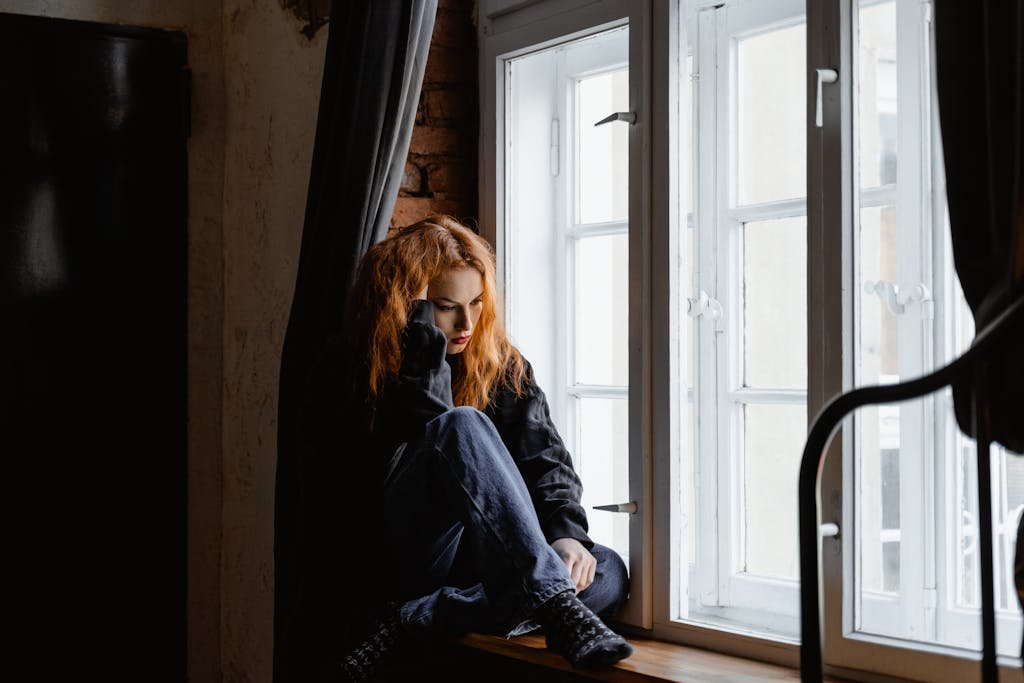
Self-Esteem Grows Where Action Lives
Self-esteem and social media are fundamentally incompatible for one simple reason: self-esteem requires action, and social media replaces action with consumption.
You can’t scroll your way into self-respect. You can’t watch other people build their lives and somehow build yours at the same time.
At some point, you have to choose. Are you going to keep consuming other people’s curated realities? Or are you going to step back, reclaim your time, and start building something real?
For me, the answer became obvious. And stepping away—truly away—was one of the best decisions I’ve ever made. Not because my life suddenly became perfect. But because it finally became mine.
If you’ve struggled with self-esteem and social media, you’re not alone. And leaving doesn’t mean you’re weak—it means you’re choosing yourself.
After Scroll was born for people who are done watching life happen.
In The Notes Edition, I write about digital limits, slow productivity, and the quiet work of building a life that actually feels like yours — one kept promise at a time.
If this text resonated, you’ll feel at home there.