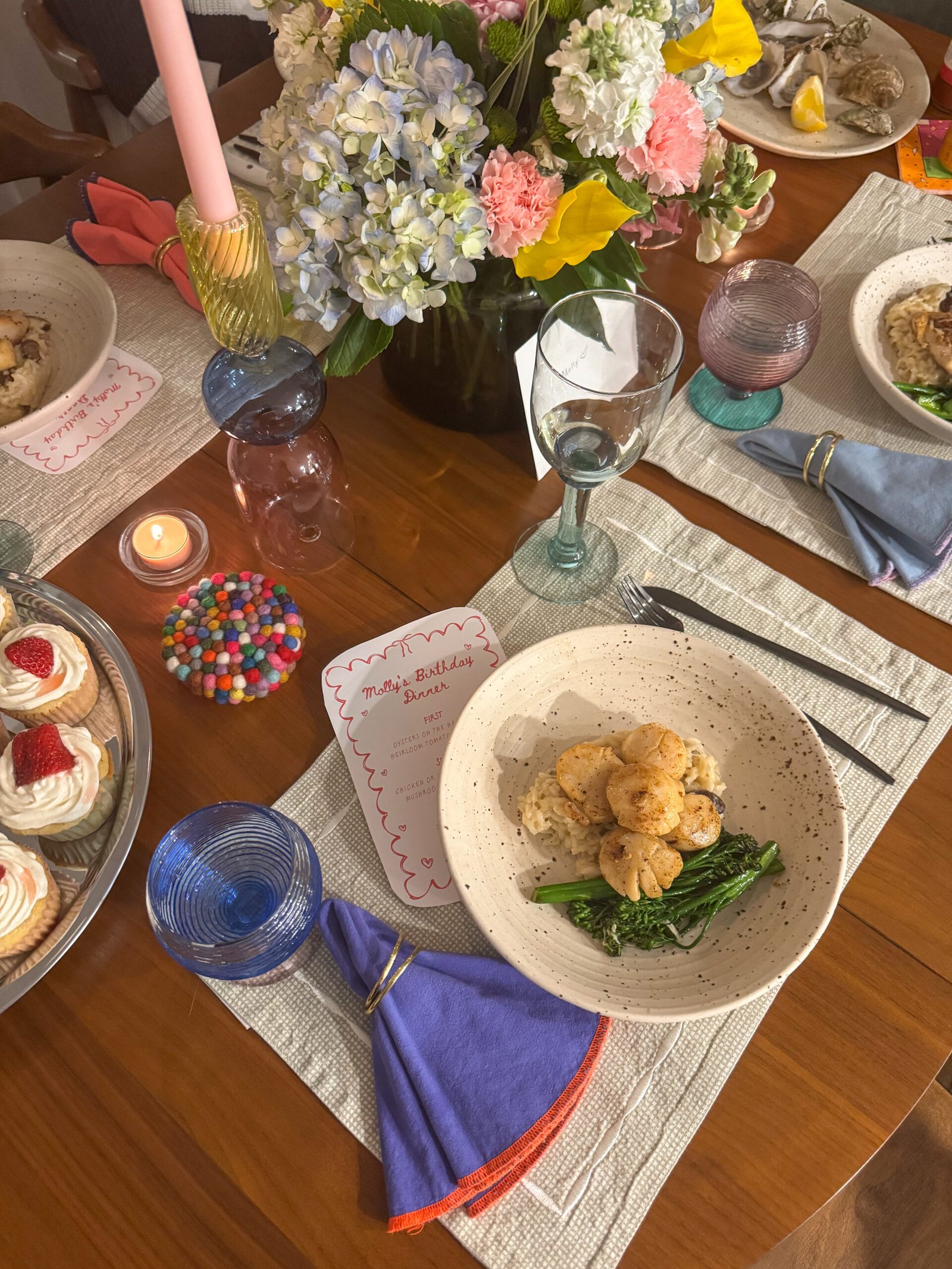
Learn how to host a simple dinner at home without stress using a smart pantry, one easy menu formula, and habits that make gathering easy.
Someone texts at 4:30 and asks, “Want to do dinner tonight?”
And instead of the tiny internal spiral, you think: yes, actually. There are greens in the fridge, bread you can warm, something simple you know how to make, and a table that can be ready in ten quiet minutes.
That kind of ease is rarely natural talent. It’s structure. And it’s one of the loveliest forms of real-life competence: building a home, a pantry, and a rhythm that make gathering feel light instead of draining.
This is a guide to becoming the kind of woman who can pull a simple dinner together without stressing out—using a smarter pantry, one reliable menu formula, and a calmer philosophy around hosting.
What Actually Makes Dinner Feel Easy
Before we talk menus, start here. Women who make dinner feel easy usually have five things working quietly in the background:
- a short list of ingredients they buy on repeat
- one or two dinners they can make almost without thinking
- a room that’s set up for conversation, not chaos
- a relaxed standard for what “hosting” needs to look like
- a habit of preparing a little before they’re under pressure
That’s good news, because none of those things require chef-level skills.
They’re all buildable.
If you want a practical place to begin this week, start with this short checklist:
- Pick one protein, one salad, and one bread situation you can repeat.
- Keep lemons, olive oil, flaky salt, herbs, and something crunchy in the house.
- Choose one serving style: platter on the table, family-style bowls, or a board everyone can reach.
- Clear the table before you start cooking, not after.
- Decide now that “simple and warm” counts as beautiful hosting.
That alone will get you further than another saved recipe ever will.
1. Build a Generous Pantry, Not an Aspirational One
A low-stress dinner almost always begins long before anyone knocks on the door.
It starts with a kitchen that holds a few reliable things you actually use.
Not an aspirational pantry full of specialty ingredients you bought for one recipe and forgot. A generous pantry. One that makes ordinary evenings feel supported.
Think in categories:
- one or two easy proteins: eggs, chicken thighs, sausage, salmon, white beans, rotisserie chicken
- a reliable starch: pasta, small potatoes, rice, crusty bread, frozen naan
- a bright element: lemons, vinegars, Dijon, capers, herbs
- something to scatter or spoon: olives, parmesan, yogurt sauce, toasted nuts, chili crisp
- one “makes-it-feel-like-dinner” extra: candles, cloth napkins, good butter, sparkling water, a wooden board
This is what lets you say yes without turning dinner into a production.
I keep coming back to the idea that competence at home is often just thoughtful repetition. A kitchen that supports you, rather than tests you, changes the whole emotional tone of the evening.
And if you want your go-to ingredients to feel both satisfying and sustainable, a pattern like Harvard’s Healthy Eating Plate or Mayo Clinic’s overview of Mediterranean-style eating is a useful lens: vegetables, a real protein, good fats, and simple starches you’ll actually want to eat.
Not dinner as homework. Dinner as support.
2. Choose One Dinner Formula and Repeat It Until It Feels Like Yours
The women who look effortless around dinner are not inventing a new menu every Thursday.
They’re using a formula.
A very good one is this:
- one warm main
- one bright, fresh side
- one easy thing that makes the table feel abundant
That might look like:
- roast chicken + a lemony salad + warm bread
- pasta + greens with parmesan + olives and sparkling water
- salmon + potatoes + a crunchy slaw from the fridge
- white beans in tomato sauce + toast + a simple herb salad
That’s it. Dinner gets dramatically easier when you stop trying to impress and start trying to repeat.
If you want inspiration for the bread part of the table, a warm loaf you can slice right at dinner has a way of making the whole evening feel more generous. And for the bright side, a crunchy make-ahead bowl that waits in the fridge can do half the hosting work before you even turn on the oven.
The hidden luxury here is predictability. Once you know your formula, shopping gets easier, prep gets faster, and you stop treating dinner like a nightly referendum on whether you’re good at life.
3. Give Your Evenings a Backbone
A calm dinner rarely comes out of a chaotic evening.
If everything between 5:00 and bedtime feels shapeless, dinner will keep absorbing all the pressure.
This is why a little structure matters so much. Not rigid scheduling. Just a dependable rhythm.
Maybe yours looks like this:
- reset the kitchen for five minutes before you cook
- put music on
- chop one thing first so you feel underway
- light a candle when the food goes in the oven
- set the table before anyone is hungry
Those small cues do something powerful: they turn dinner into part of the life you are building, not one more thing you’re scrambling to survive.
A clearer rhythm for weeknights helps here, especially if you work from home or tend to slide straight from tasks into low-grade chaos. Dinner becomes much easier when the evening has a spine.
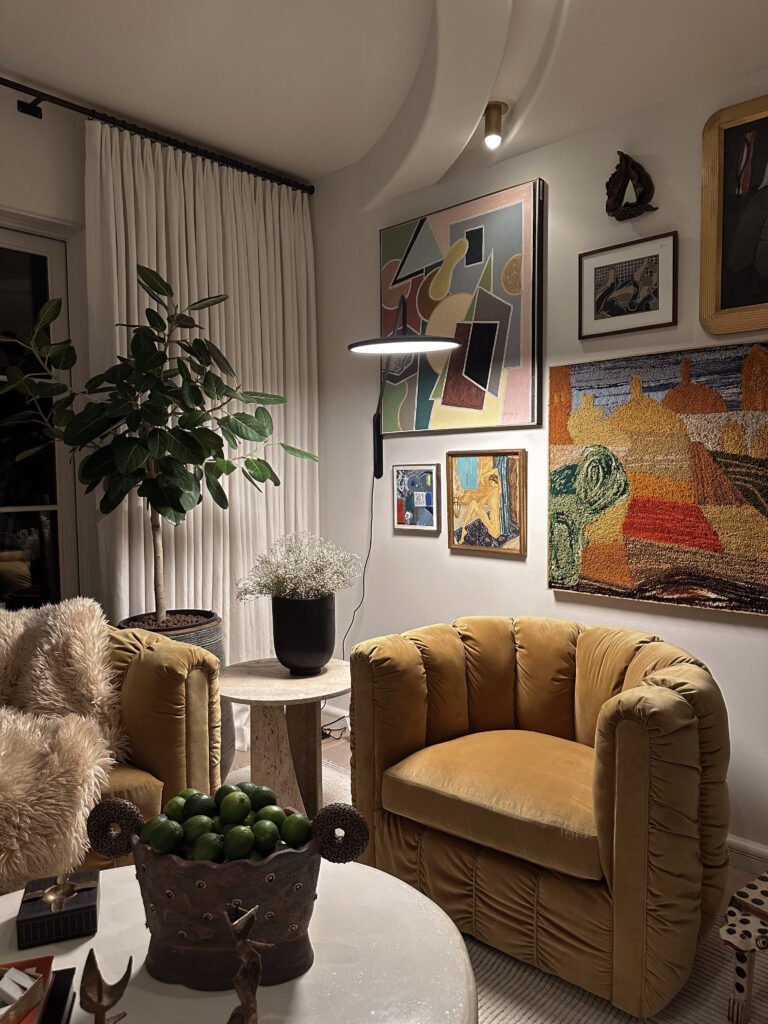
And atmosphere matters more than people admit. A room with softer light, a cleared table, and a few beautiful objects already feels more capable. The same is true of a house that feels collected instead of staged: it quietly supports presence. You feel more like the woman who hosts with ease when your home is already telling that story.
4. Prep the Room Before You Finish the Meal
One of the simplest hosting upgrades is this: make the room ready before the food is done.
Not perfectly ready. Just warmly ready.
Do the things that future-you will be most grateful for:
- clear the table
- fill water glasses
- put out serving spoons
- set butter, salt, or dressing on the table
- open the napkins
- light the candles
This matters because stress usually spikes at the very end—when the food is hot, someone is arriving, and you’re still hunting for a trivet.
A ready room softens that whole moment.
It also changes how people enter the evening. They walk into something that already feels held.
If you want dinner to feel more connected and less distracted, borrow a cue from living rooms that keep phones off the coffee table: give devices a place to land away from the table. Dinner gets better very quickly when everyone’s hands have something real to do instead.
5. Lower the Performance, Keep the Charm
This is the shift that changes everything.
Women who host beautifully are not necessarily doing more.
Very often, they are expecting less from the event and more from the atmosphere.
They are not trying to produce a restaurant. They are trying to create an evening.
That means:
- dinner does not need multiple courses
- nothing needs a complicated garnish
- store-bought parts are welcome
- the table can be simple
- guests do not need to be dazzled to feel cared for
A roast tray, a salad, good bread, and something cold to drink are enough.
Actually, “enough” is the whole point.
There is a particular elegance in a woman who knows how to stop before dinner becomes overbuilt. She understands that ease is part of the pleasure. That leaving room to sit down, laugh, and enjoy the food is more interesting than proving she can do everything.
If conversation ever needs a nudge, keep a few easy prompts tucked in a bowl. It’s a small detail, but it carries the same philosophy as the rest of this piece: a little preparation creating a lot more warmth.
6. Keep a Tiny Hosting Kit So You Don’t Start From Zero
If you want to become “the kind of woman who can pull dinner together,” give yourself a few recurring tools.
Think of it as a tiny hosting kit:
- one tablecloth or runner you love
- cloth napkins or pretty paper ones
- candles and matches
- one large platter or wooden board
- a playlist for dinner
- one backup dessert or treat in the freezer
This isn’t about buying a whole entertaining identity.
It’s about reducing friction.
The same way a well-kept pantry makes cooking easier, a small hosting kit makes gathering feel natural. You’re no longer reinventing the mood every time. You already have a language for dinner at your house.
That is what competence does: it turns effort into rhythm.
7. Let Dinner Be an Ordinary Part of Your Real Life
The most compelling thing about an easy dinner woman is not that she hosts all the time.
It’s that gathering seems to fit inside her actual life.
Her home doesn’t feel like it only opens for special occasions. There’s a sense that dinner could happen on a Wednesday. That people are allowed into the real texture of the week.
That kind of hospitality is deeply attractive because it feels lived, not performed.
It says:
- my home is for using
- my table is for sharing
- my evenings are worth shaping
- people are welcome here, even when things are simple
And that’s exactly the deeper promise of this whole competent-woman conversation. Not polished perfection. Real capability. The kind that supports your habits, your environment, and your relationships all at once.
A life you don’t want to escape from is often built in these small domestic decisions: keeping bread in the freezer, washing the salad greens, setting the table before you’re tired, saying yes to a simple invitation because your home already knows how to hold it.
The Calm Is the Point
You do not become this woman by mastering elaborate menus.
You become her by making dinner simpler, earlier, and more repeatable than you think it needs to be.
One formula. One stocked shelf. One ready table. One relaxed standard for what hospitality means.
That is enough to change the feeling of your evenings.
And once dinner stops feeling like a nightly emergency, something else opens up: more ease in your body, more pleasure in your home, and more room for the people sitting across from you.
That is the real goal.
Not dinner that impresses.
Dinner that welcomes.