Plan simple, brain-friendly meals for your busiest weeks—easy ideas that keep your energy steady and your mind clear.
The week is full before it even starts: Monday morning meetings, late-afternoon pickups, one or two evening plans you’re genuinely excited about, and a to-do list that somehow keeps growing.
In the middle of all that, there’s a difference between a week that feels foggy and reactive and a week that feels clear and grounded.
Most of that difference is made in the small, unglamorous moments where you decide what (and how) you eat.
This isn’t about perfect meal prep, strict rules, or eating “clean.” It’s about building simple, beautiful meals that steady your brain instead of spinning it out—plates that give you real energy, keep your thoughts sharp, and make busy weeks feel more like something you’re directing than something you’re surviving.
Think of this as your guide to clear-headed meals for full weeks: light structure, repeatable templates, and a few tiny rituals that make taking care of yourself the easiest choice in the room.
What “Clear-Headed” Meals Really Mean
When you zoom out, clear-headed meals are less about one superfood and more about quiet structure.
On a busy week, food that supports your brain usually looks like:
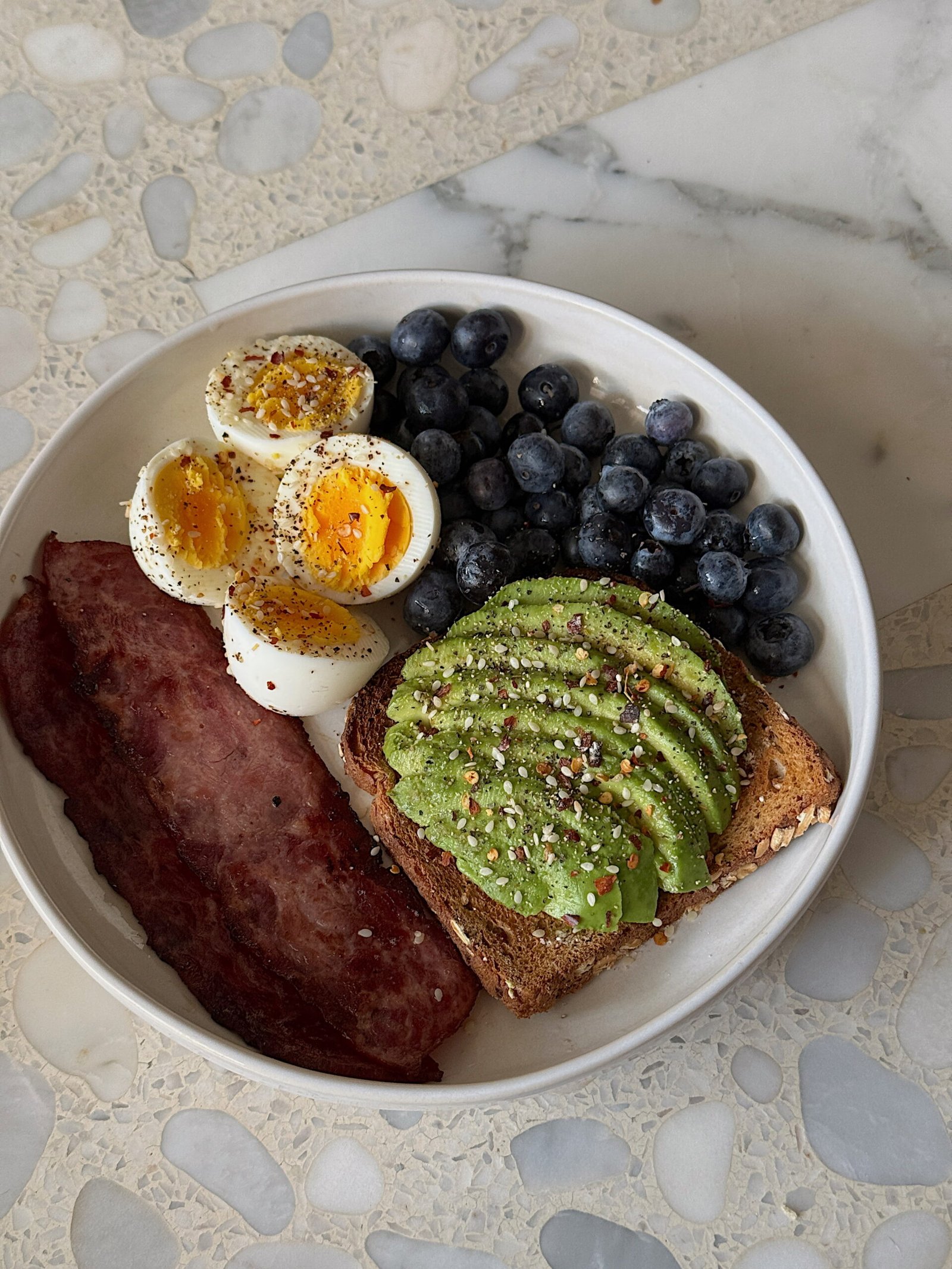
- Balanced plates – some protein, some fiber-rich carbs, healthy fats, and plenty of color.
- Steady energy – fewer giant spikes and crashes, more gentle waves.
- Satisfying textures – crunch, chew, freshness, not just soft beige everything.
- Real meals at real times – breakfast that actually exists, lunch that isn’t just coffee, dinner that lands you instead of knocking you out.
Frameworks like Harvard’s Healthy Eating Plate make this wonderfully simple: think half your plate fruits and vegetables, a quarter quality protein, a quarter whole grains or starch, plus healthy fats.
Zoom in one level and the pattern is just as kind:
- Your brain loves stability—protein, fiber, and healthy fats slow down digestion so you’re not ping-ponging between “wired” and “empty.”
- Your focus loves predictability—knowing what’s for lunch or dinner removes a surprising amount of mental noise.
- Your mood loves rhythm—eating at roughly the same times each day helps your body trust that fuel is coming.
You don’t need to track or count anything to get there. You just need a few meal structures you can repeat when the week is already full.
Start With 3 Weekly Meal Templates (Not 21 New Recipes)
Instead of planning a different recipe for every single meal, treat this week like a capsule wardrobe. You’re choosing three clear templates that will carry you.
Think in categories like:
- Midday Clarity Bowls – grain + protein + crunch + dressing
- Weeknight Landing Dinners – one-pan or one-pot meals you can finish even when you’re tired
- Comfort Rituals – small, anchor foods that make evenings feel softer without knocking you out
1. Midday Clarity Bowls
These are the bowls you reach for when your brain is full and you want to come back to yourself instead of crash.
Start with a simple formula:
- Base: quinoa, farro, brown rice, or roasted potatoes
- Veggies: something fresh (like cucumber or tomatoes) + something roasted (like carrots or broccoli)
- Protein: canned tuna, rotisserie chicken, chickpeas, or lentils
- Fat + flavor: olive oil, nuts or seeds, and a squeeze of lemon or vinegar
You can borrow inspiration from your big-salad ecosystem:
- Use the big-bowl structure from 7 Big Spring Salads That Eat Like Dinner when you want lunch to feel like dinner in the best way.
- Riff on “crunchy era” textures from The Cabbage Girl Era: 5 Crunchy Spring Salads Everyone’s Saving when you’re craving something crisp that actually holds up in the fridge.
The goal isn’t perfect macros. It’s this: when you open your container at noon, you see color, texture, and enough protein to keep your focus steady through the afternoon.
2. Weeknight Landing Dinners
At the end of a long day, you don’t necessarily need something impressive. You need a meal that helps you land—one that’s warm, grounding, and easy to assemble because most of the work has already been done.
Think in a few repeatable shapes:
- Sheet-pan dinners (chicken thighs + potatoes + green veg)
- Big salad + something to tear and dip
- Soup or stew from the freezer + crunchy side
If you love cozy rituals, fold in ideas from The Simple Homemade Bread That Made Our Evenings Feel Different. A weekly bread night (or even a good bakery loaf) can turn a simple salad or soup into a full, satisfying meal that tells your brain, “The workday is really over.”
You can also lean on your salad cluster on the nights that feel especially full:
- Pair a loaf of bread with one of the big spring salads from 7 Big Spring Salads That Eat Like Dinner.
- Let a crunchy cabbage bowl from The Cabbage Girl Era be the main event with a little grilled chicken or beans on top.
3. Comfort Rituals That Don’t Steal Your Focus
There’s always room for cozy. The trick is choosing comfort foods that stay on your side.
For busy weeks, that often means:
- Warm things that are still balanced (soup + bread, pasta with a big salad, roasted vegetables with soft eggs)
- Sweet things that show up after a real meal, not instead of it
- Evening drinks that hydrate you more than they hype you up
Patterns like the Mediterranean-style eating highlighted by Mayo Clinic are useful here: lots of vegetables, legumes, olive oil, and simple grains—comforting, but not foggy.
You’re not aiming for perfection. You’re aiming for rituals that make your home feel warm and let you wake up clear.
Do a 90-Minute Clear-Headed Prep Once a Week
The best time to support a busy week is before it starts.
You don’t need a full Sunday-marathon meal prep. A focused 60–90 minutes is plenty to take half the decisions out of the next few days.
Choose a window that actually exists in your life—Sunday afternoon, Monday night, or even a split session (30 minutes twice).
Then follow a simple list:
- Pick your three templates for the week (bowls, dinners, comfort rituals).
- Cook 1–2 base carbs – a pot of grains, a tray of potatoes, or both.
- Prep 2–3 vegetables – one for roasting, one for snacking, one for salads.
- Make 1 protein easy – roast chicken, cook a pot of beans, or boil a batch of eggs.
- Shake up one good dressing or sauce in a jar.
As you work, think in tiny “wellness reset” moves from Spring Wellness Reset: Tiny Habits for a Fresh Start: clear one counter, fill a water glass while something simmers, open a window so the whole session feels less like a chore and more like a small weekly ritual.
You’re not trying to pre-cook the entire week. You’re just stacking the deck so that, on Wednesday at 7 p.m., putting together a clear-headed meal is the path of least resistance.
Build Midday Meals That Protect Your Brain, Not Just Your Calendar
Most of us accept the afternoon crash as inevitable. But often, it’s just the result of rushing through (or skipping) lunch.
A clear-headed midday meal doesn’t need to be elaborate. It does need to be real, visible, and eaten away from your inbox.
A Simple Template for Focus-Friendly Lunches
Use this as your default pattern on busy days:
- Something to anchor you: leftovers from last night, prepped grains + roasted veg, or a hearty salad bowl
- A clear protein: chicken, eggs, tuna, beans, lentils, or Greek yogurt
- Healthy fat: olive oil, avocado, nuts, seeds, or feta
- Color you can actually see: at least two colors from fruits or vegetables
Research summaries like Harvard Health’s overview on foods linked to better brainpower keep circling back to the same idea: patterns rich in vegetables, healthy fats (like olive oil and nuts), and fish or legumes seem to support memory and focus over time.
You don’t need to recreate a clinical trial in your kitchen. Just let that pattern quietly shape how you assemble your plate.
Give Lunch Its Own Micro-Ritual
Even on hectic days, you can:
- Close your laptop and move to a different chair.
- Eat without scrolling, using your phone-free living room or a cleared kitchen counter as a mini oasis.
- Take five slow bites before you check your messages again.
For more ideas on what to do with those few phone-light minutes, keep Screen-Free Activities: The Complete Guide to Living With Less Screen Time bookmarked. A tiny analog pause in the middle of the day often does more for your brain than another espresso.
Design Evenings That Help You Land (Instead of Collapse)
By the time dinner rolls around, your brain has already made hundreds of micro-decisions. The last thing you need is a complicated recipe.
Clear-headed dinners thrive on structure + atmosphere:
- A predictable shape (salad + bread, soup + salad, sheet pan + rice)
- A table that looks inviting even when the food is simple
- A phone-light pocket where your body actually registers that the day is winding down
Borrow from your existing slow-living and home ecosystem:
- Let Slow Living: What It Really Means (And How to Start) remind you that everyday dinners are a perfect place to practice less rush, more attention.
- Use layout ideas from How to Create a Phone-Free Living Room You’ll Love so phones naturally live away from the table while you eat.
- Pair big, colorful salads from 7 Big Spring Salads That Eat Like Dinner with a slice of simple homemade bread for weeknights that feel cozy, not heavy.
The food can stay simple:
- Roasted chicken + potatoes + green veg
- Lentil or bean soup with a salad
- Cabbage salad bowls topped with leftover protein
What makes these dinners clear-headed is less the recipe and more the reality that you sit, notice, chew, and actually finish your plate before you’re back in your tabs.
Gentle Guardrails for Clear-Headed Eating on Busy Weeks
You don’t need strict rules to feel better. A few soft guardrails are usually enough.
Consider experimenting with:
- “Never just coffee” mornings. If you’re having caffeine, pair it with something that has protein and fiber: eggs on toast, yogurt with fruit, a leftover slice of bread with nut butter.
- “Color on every plate.” Aim for at least two visible colors from fruits or vegetables at lunch and dinner.
- “Protein in the first half of the day.” Make sure breakfast and lunch both include a clear protein source so you’re not chasing energy with snacks all afternoon.
- “Screens after the first bite.” If full phone-free meals feel out of reach, start with one bite (or one minute) of total presence before you look at a screen.
These are the same kind of compassionate structures that show up in your routines content—from Mindful Morning Routines to Try This Spring to Why Slow Productivity Is the Only Sustainable Path for Women. You’re designing a life (and a plate) that supports steady focus, not endless hustle.
When the Week Goes Off Script
Even with the best plans, there will be weeks that tilt: travel days, sick kids, late launches, surprise invitations.
A clear-headed approach doesn’t disappear just because your calendar does. It simply shrinks the ambition and keeps the pattern.
On those weeks, you might:
- Keep a few ultra-simple backup meals on hand (eggs + toast + greens, frozen soup + salad kit, rotisserie chicken + rice + frozen veg).
- Focus on hydration and one solid meal instead of trying to optimize everything.
- Let delivery or takeout still follow the same plate logic (add a side salad, choose grilled or baked options, share heavier dishes).
Slow, sustainable change—the kind you see in Why Slow Productivity Is the Only Sustainable Path for Women—is built on this kind of flexibility. You’re not “back at square one” because one week is wild. You’re simply in a different chapter of the same clear-headed story.
Let This Week’s Meals Be an Act of Design
When life is full, it’s easy to treat meals as something you squeeze between the “real” parts of the day.
But every time you choose a plate that steadies you—a big salad with real protein, a slice of homemade bread alongside soup, a simple dinner eaten at a real table—you’re quietly designing the way your week feels.
You’re giving your brain better raw material.
You’re giving your body a kinder rhythm.
You’re giving yourself the chance to actually notice your life, not just power through it.
This week, you don’t need a perfect plan. You just need a few clear templates, a 90-minute prep window, and a couple of tiny rituals that make feeding yourself feel less like another task and more like part of the life you’re building.
Let your meals be part of what keeps you clear-headed—not just full.