Slow living isn’t about doing nothing. It’s about designing your days, home, and phone habits so life feels spacious again. Here’s what it means and how to start.
You’ve probably seen the phrase slow living so many times it’s started to blur.
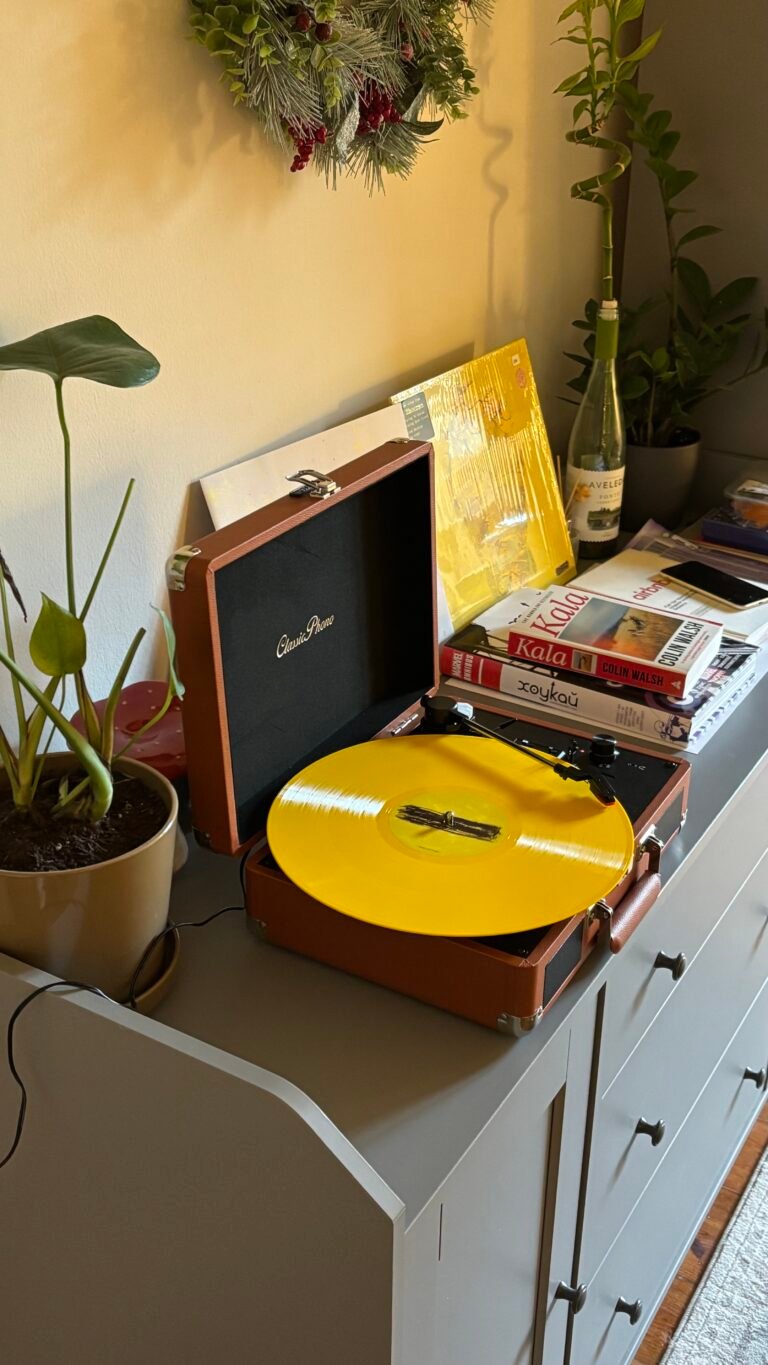
Candlelit mornings. Linen dresses. People in stone cottages arranging wildflowers while you’re answering Slack.
It looks beautiful. It also feels… fake.
You still have a job. Kids. A phone that lights up every three minutes. A home that quietly trains you to scroll, the way you saw in How Your Home Is Training You to Scroll.
So what does slow living actually mean in a real, modern life? And how do you start when your days already feel full, your home is more beige than you’d like, and your phone is basically a second nervous system?
This post is your cornerstone answer: not a moodboard, but a grounded definition of slow living that fits the After Scroll universe—one where your home, your attention, and your identity all matter as much as your screen time.
The Myth Version of Slow Living (And Why It Feels So Unreachable)
Most of us first meet slow living as an aesthetic:
- Rustic kitchens with sourdough always proofing on the counter
- Afternoons spent reading for hours in a window seat
- Weeks where nobody seems to answer email
If you’re living a regular, internet-heavy life, that version of slow living can feel like a personal indictment. If I can’t move to the countryside and delete Instagram, I guess I don’t deserve calm.
Underneath the aesthetic, there are a few myths:
- Slow living means doing less of everything.
- In reality, most of us can’t opt out of caregiving, work, rent, or group chats.
- Slow living means being endlessly zen.
- You’re still a human with deadlines, laundry, and group texts.
- Slow living means never liking your phone again.
- You’re allowed to love tech; you just don’t want your life to be built around it.
The internet version of slow living is aspirational and vague. The After Scroll version has to be practical and specific, or it won’t survive your actual Tuesday.
What Slow Living Actually Is (After Scroll Edition)
For our purposes, slow living isn’t about living in a perpetual cottagecore montage.
It’s about reducing artificial urgency so you can actually feel your life.
A working definition you can use:
Slow living is the practice of designing your time, home, and tech habits so there is enough space to notice your own life.
Three pillars make that real:
1. Attention over autopilot
You don’t control everything that happens in a day. You can control where your attention lands more often.
- You notice when you’re about to fall into the end-of-day couch scroll and remember you built a phone-free landing spot, like in How to Create a Phone-Free Living Room You’ll Love.
- You catch the urge to check your phone in bed and remember your room’s job is sleep, not a late-night portal, the way you set up in How to Turn Your Bedroom Into a Screen-Free Sleep Sanctuary.
Slow living starts when your home offers you something back besides another feed.
2. The right pace for your current season
Slow doesn’t always mean small. Sometimes it means appropriately paced.
- There are seasons where a slow life looks like one sacred half-hour in the morning before kids wake up, shaped by the kind of rhythm you explored in Morning Routines That Support a Rebrand.
- There are seasons where slow living is weekend-heavy: a long walk, a real grocery shop, cooking something from scratch once a week instead of scrolling and ordering in.
You’re adjusting the tempo of your life so it stops feeling like a constant sprint and starts feeling like a rhythm you can actually stay with.
3. Depth instead of constant novelty
Your phone offers you infinite, shallow novelty. Slow living offers you finite, deep repetition:
- The same chair every night in a reading nook you’ve actually set up, like in Creating a Reading Nook You’ll Choose Over Scrolling.
- The same mug and small ritual before work.
- The same evening walk around the same block.
Depth feels boring at first because your brain has been trained for micro-stimulation. Research on multitasking (like the APA’s work on “Multitasking: Switching Costs”) keeps confirming what you feel in your body: when you constantly switch tasks, you never fully land in any of them.
Slow living is the courage to stay with the same thing long enough for your nervous system to recognize, oh, this is what rest feels like.
Free download
Start with the morning.
The first place slow living shows up in your day is before your phone finds you. This is the one-page checklist I use to protect that window — and it’s the simplest place to begin.
Download free →How You Know You’re Quietly Craving Slow Living
You don’t have to identify as a “slow living person” to need this.
Some quiet signs your system is begging for a different rhythm:
- You scroll in every empty 30-second pocket because stillness feels itchy.
- Your home feels like a beige waiting room for the next notification (see for the manifesto version).
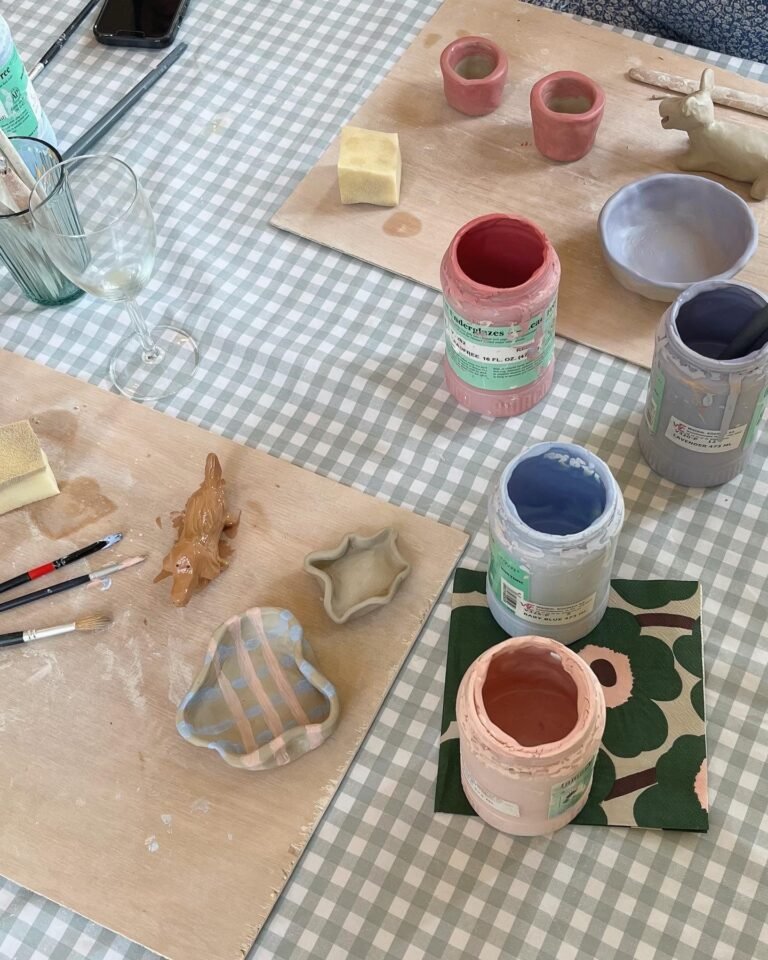
- You keep imagining “someday” when you’ll finally have time to read, cook, or make art—but your actual days never change.
- Your mornings start with a phone in your hand and end with one in your face.
- You move through your home on autopilot and only feel awake when you’re in a scroll tunnel.
Slow living isn’t a personality trend. It’s your nervous system asking for less whiplash and more continuity.
What Slow Living Is Not (So You Don’t Self-Sabotage)
Before we talk about how to start, it helps to clear a few traps:
- It’s not quitting your life. Slow living doesn’t require moving to a farm, changing jobs, or saying no to ambition. It’s about changing how your life feels from the inside.
- It’s not perfection. There will still be chaotic days, Uber Eats nights, and weeks where the only thing that feels slow is your Wi‑Fi.
- It’s not another aesthetic prison. If you’ve already lived through the “sad beige” era, you know an aesthetic can easily become a cage. Aesthetic Routine: Building Habits That Match Your New Identity is your reminder: the point is a life that matches who you’re becoming, not a home staged for photos.
You’re not trying to perform slowness. You’re trying to build a life you can actually inhabit.
Step 1: Start With One Slow Pocket of Time
Most people try to “go slow” by rewriting their entire schedule overnight. It lasts three days.
Instead, claim one small pocket of time and treat it like protected land.
Some options:
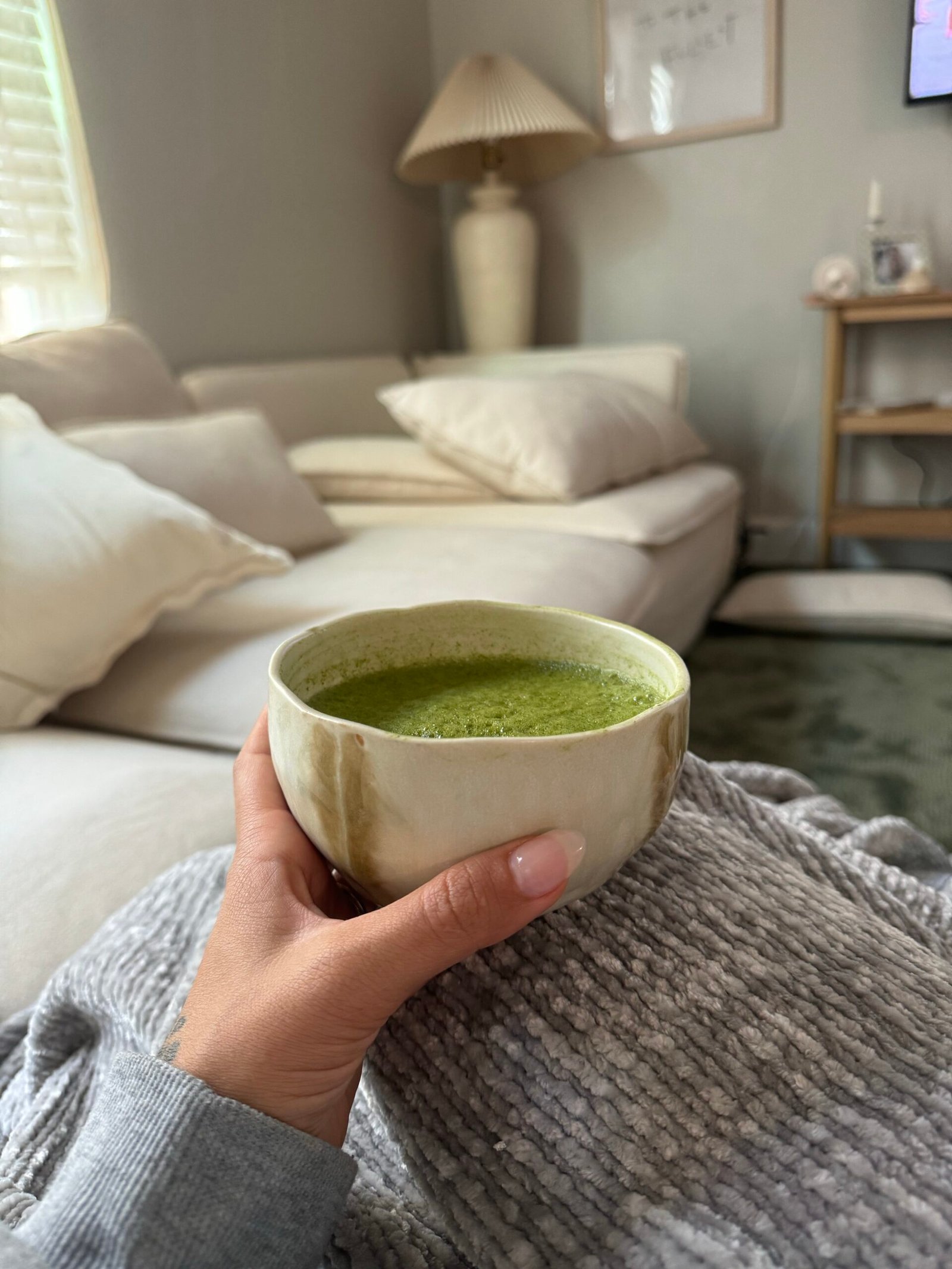
- First 15 minutes after you wake up. Phone in another room. Coffee or tea, one page of a book, or a short journal entry.
- The transition home. When you walk in the door after work, you spend 10 minutes landing—changing clothes, lighting a candle, hugging your people—instead of collapsing into the couch scroll.
- The last 20 minutes before bed. Screens off, lamp on, simple wind-down ritual borrowed from your bedroom sanctuary.
The rules for your slow pocket are simple:
- No infinite feeds. No email, no social apps.
- One simple activity at a time. Read, stretch, journal, stare out the window. That’s it.
- Repeat it often enough that your body starts to anticipate it.
If you need ideas that actually feel good (not just “drink lemon water and meditate”), lean on Screen-Free Activities: The Complete Guide to Living With Less Screen Time.
You’re not trying to optimize this pocket. You’re teaching your brain: there is a part of the day where nothing urgent happens, and that’s safe.
Step 2: Let Your Home Do Some of the Work
Slow living can’t survive in a home that’s secretly built for speed and distraction.
You’ve already seen how layout, chargers, and bare rooms shape your habits in How Your Home Is Training You to Scroll. Now you can use that same insight for slow living instead of against it.
Pick one room and ask:
If a stranger walked in here, what would they assume this room is for?
If the answer is “scrolling and collapsing,” your environment is telling the truth.
Some small environmental shifts that support slow living:
- In the living room, create a phone-free landing zone using ideas from How to Create a Phone-Free Living Room You’ll Love: a specific home for your phone away from the couch, chargers moved out of arm’s reach, one or two analog options (book, game, knitting) left visible.
- In the bedroom, treat the bed as a sleep sanctuary, not a second office. Pull through the boundaries from How to Turn Your Bedroom Into a Screen-Free Sleep Sanctuary: phones charging outside the room, warm low light, one book or notebook on the nightstand instead of your inbox.
- In a corner anywhere, build a tiny reading or thinking nook inspired by Creating a Reading Nook You’ll Choose Over Scrolling: one chair, one lamp, one open book, one blanket.
You’re not trying to turn your house into a monastery. You’re trying to make it rich and interesting enough that your phone stops winning by default—exactly the reversal at the heart of .
Step 3: Choose One Slow Ritual Per Day
Slow living becomes real through rituals, not resolutions.
A ritual is simply something you do on purpose, the same way, more often than not.
Some slow-living-friendly rituals:
- Analog mornings. Ten minutes with a real notebook mapping your day, the way you’d design in Morning Routines That Support a Rebrand.
- Cook one thing properly. Once a week, you cook a simple meal without a podcast or video in the background. Just chopping, stirring, tasting.
- Walks without headphones. Not every walk. Just one or two a week where your brain gets unscripted time.
- Sunday reset that isn’t just chores. Borrow ideas from the seasonal reset briefs in your pipeline; let one small home touch (flowers, fresh linens, a rearranged corner) mark the new week.
To make a ritual sticky, pair it with something that already happens:
- After you load the dishwasher → you sit in the reading chair for one page.
- After you put your phone in its “home” for the night → you write three lines about your day.
- After Sunday grocery shopping → you light a candle and cut fruit for the week.
None of this looks impressive on the internet. That’s the point.
Step 4: Redefine “Productive” So Slowness Counts
One reason slow living is hard to stick with is that it doesn’t look productive in the ways we’ve been trained to value.
Deep rest doesn’t show up in your inbox. Your calm nervous system doesn’t have an app.
If you’re in a season of rebranding your life or work, this is where posts like Rebranding Yourself: What It Actually Means (And How to Start) and What a 6-Month Rebrand Really Looks Like come in.
They remind you: the metric isn’t how much you cram into a day; it’s whether your days move you toward a life that feels like you.
Some new “productivity” metrics for slow living:
- Hours in a week where your phone is in another room
- Evenings you remember, not just ones you survived
- Meals eaten at a table instead of over the sink
- Times you caught yourself about to scroll and chose something else
When you start tracking these, you realize slow living isn’t a break from your real life. It is your real life.
Step 5: Make Peace With the Messy Middle
There will be weeks where you:
- Scroll in bed every night even though the charger is in the hallway
- Don’t touch your reading nook once
- Watch TV with your phone in your hand the entire time
That doesn’t mean you’ve “failed” at slow living.
It means you’re a person living in a culture that’s engineered for speed and distraction.
A few ways to be kind to yourself in the messy middle:
- Lower the bar on bad weeks. Your only slow-living rule might be “phone charges outside the bedroom” or “one slow walk this weekend.” That still counts.
- Let your environment keep helping. Once the chair, lamp, and book exist, there will be a random Tuesday where you sit down “just for a second” and end up reading four pages.
- Remember why you started. You’re not doing this for an aesthetic. You’re doing it so you can actually feel your own life.
Slow living isn’t a switch. It’s a slope. The point is the direction you’re sliding.