Some of the most satisfying hobbies are the simplest ones. Discover old-school skills that bring creativity and joy back to your evenings.
Picture an evening where the main event isn’t a show or a scroll session, but a half-finished needlepoint draped over the arm of your chair. A piano piece you’re slowly, pleasantly stumbling through. A small stack of vintage cookbooks open on the counter while you try a cake your grandmother might have made.
That’s the quiet pull of the old-school hobby era: skills that are a little impractical, a lot charming, and completely disproportionate in how rich they make your life feel.
This is about adding texture back into evenings, weekends, and in-between pockets of time—so your life feels made, not just consumed.
In this piece, you’ll:
- Get a clear picture of why these tactile, heritage-style hobbies are having a moment
- See a menu of charming skills that actually fit a modern, screen-light life
- Learn a simple way to choose your hobby, set up your home for it, and stick with it (even if you’re “not crafty”)
Let’s start with some fast, realistic ways to invite one of these into your week.
Quick ways to invite an old-school hobby into your week
You don’t need a full rebrand to live this out. You need one tiny, charming skill that fits in the life you already have.
Choose one of these to pilot over the next month:
- The sofa needlepointer. Keep a small canvas, hoop, and floss in a basket by your favorite chair. Ten quiet minutes after dinner counts.
- The evening pianist. Pick one song and give yourself the whole season to learn it. Phone in another room, lamp on, sheet music out.
- The vintage recipe baker. Choose one baking book from a thrift store or family shelf and slowly work through a handful of recipes—especially the slightly fussy ones no one makes anymore.
- The flower arranger. Turn your weekly grocery run into a ritual by picking up simple stems and practicing loose, old-world arrangements in pitchers and thrifted vases.
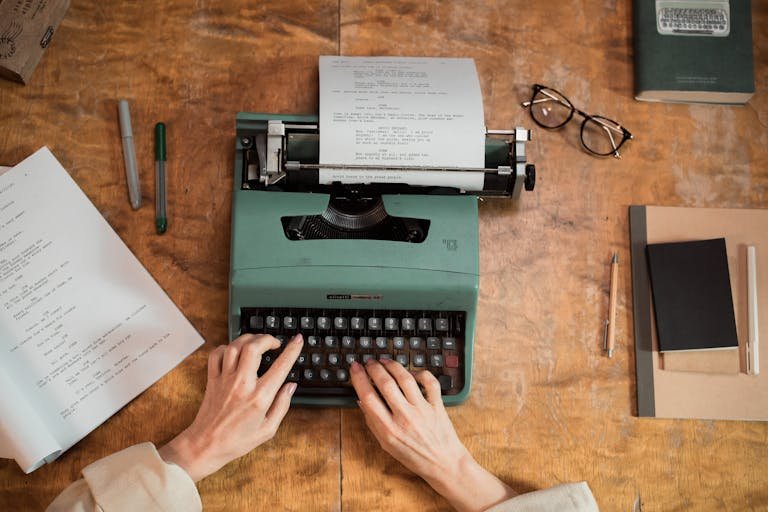
- The letter writer. Keep stationery, stamps, and a favorite pen in a tray. Once a week, send a note to a friend, grandparent, or even your future self.
- The mender. Create a tiny “mending basket” with needles, thread, and scissors. Fix buttons, hems, and tiny tears instead of reordering.
- The puzzle table host. Claim one end of your dining table for a jigsaw puzzle. Add a few pieces every time you walk by.
- The analog pianist-in-training. Swap one evening of background TV for slowly learning chords, scales, or simple songs on an actual instrument.
- The heritage stitcher. Learn basic embroidery stitches and turn plain napkins, pillowcases, or tea towels into small heirlooms.
If you want more ideas for things you can do with your hands instead of your phone, this deeper guide to screen-free hobbies that actually stick is a great next step.
From here, we can ask the bigger question: why do these old-fashioned skills feel so right in this season?
Why old-school hobbies are quietly everywhere again
Scroll culture made everything fast, flat, and instantly available. Old-school hobbies move in the opposite direction:
- They’re tactile instead of purely digital.
- They’re process-focused instead of algorithm-optimized.
- They’re inherently inefficient—and that’s the point.
A few reasons they’re resonating so much right now:
- Your brain is craving depth, not novelty. Screens offer endless micro-stimulation. Needlepoint, piano, sourdough, and flower arranging offer deep repetition—the same movement, night after night, until it becomes its own kind of meditation.
- They create visible proof that your life exists offline. A half-finished embroidery project on the coffee table or a stack of well-thumbed sheet music is quiet evidence that your home is about more than scrolling. Posts like the complete guide to screen-free activities put language to this: when you fill your free time with offline projects, your attention and identity slowly shift, too.
- They connect generations without making it heavy. Old-school skills come with heritage baked in. Maybe your grandmother played piano, your mom embroidered pillowcases, or your aunt always baked the birthday cake from the same cookbook. You’re not recreating their lives—you’re borrowing their texture.
- They turn “nothing evenings” into scenes. Instead of “we just watched something,” you end up with: “we ordered pizza and worked on our puzzle,” “I practiced my piece while the kids colored,” or “I finished the border on that floral sampler.”
Slow living, in the After Scroll sense, isn’t about disappearing into the woods. It’s about reducing artificial urgency so there’s enough space to actually feel your life. If you want a grounded definition, the cornerstone on what slow living really means is the philosophical backdrop for this whole hobby era.
How to choose your charming skill (without overthinking it)
You don’t have to pick the “perfect” hobby. You just need one that fits your season, your home, and your energy.
Use this three-question filter:
1. Where do you naturally land in the evenings?
- Sofa? Choose something lap-friendly: needlepoint, embroidery, mending, knitting.
- Dining table? Go for puzzles, calligraphy, or pen-and-paper letter writing.
- Kitchen? Lean into vintage baking, simple candy-making, or flower arranging.
Design around the surface you already use—just like the “spring surface” idea in your seasonal resets, where one changed table quietly resets the mood of a room.
2. Do you want this to be solo or shared?
- Solo: Needlepoint, journaling, hand sewing, solo piano practice.
- Shared: Puzzles, board games, simple baking projects, informal duets around the piano.
- Around kids: Think small, forgiving projects you can pause easily—like stitching, arranging flowers, or adding pieces to a puzzle between bedtime routines. You can borrow ideas from these screen-free activities for kids when you want little hands occupied nearby.
Choose one default: “This is my personal landing ritual,” or “This is the new thing we do together on Tuesday nights.”
3. How much set-up energy do you honestly have?
If your evenings are full, pick hobbies you can start in under 60 seconds:
- A hoop and small project bag that live by the sofa
- A puzzle that never leaves the end of the table
- A small vase and scissors permanently in the kitchen for impromptu arrangements
Save the more elaborate hobbies—like furniture refinishing or complicated sewing—for weekends or seasons when you genuinely have more space.
Make your home conspire in favor of your hobby
An old-school hobby becomes part of your life when your home quietly nudges you toward it.
Some simple environmental tweaks:
- Give your hobby a permanent “home.” A basket by the sofa. A tray on the dining table. A shallow drawer just for sheet music and a metronome. When tools are visible and ready, you’ve removed the biggest barrier: setup.
- Move your phone out of arm’s reach. If the living room is where you want to land, let your space back you up. Ideas from the phone-free living room layout translate beautifully here: one designated spot for chargers away from the main seating area, and one or two analog options left out as an invitation.
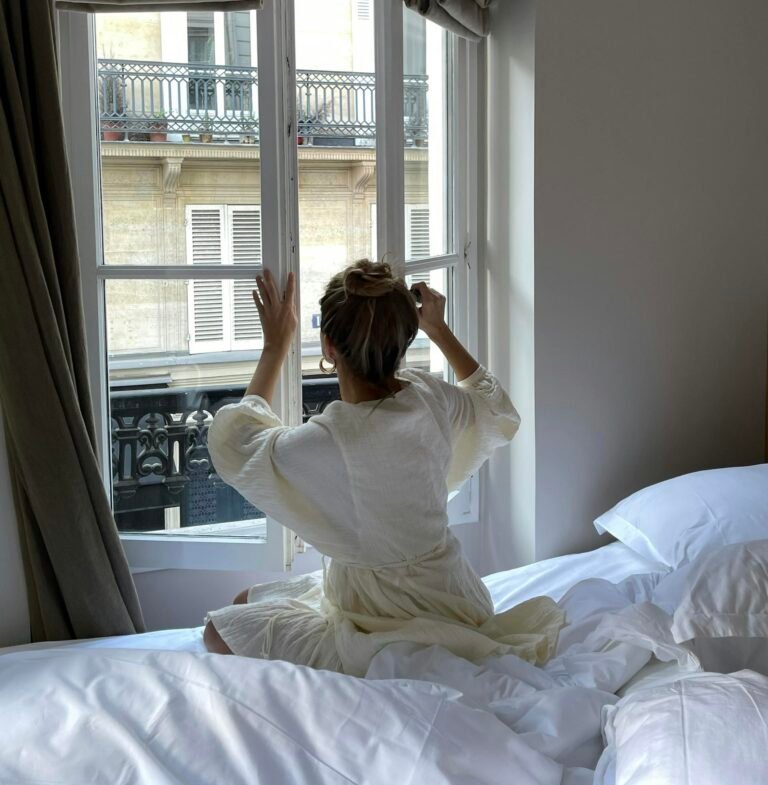
- Use lighting like a stage director. Lamps over overheads. A candle next to your project. Soft, warm light that makes a corner feel like its own little world. It’s the same principle that makes a spring bucket list dinner or open-window evening feel intentional instead of random—the atmosphere tells your brain, this moment matters.
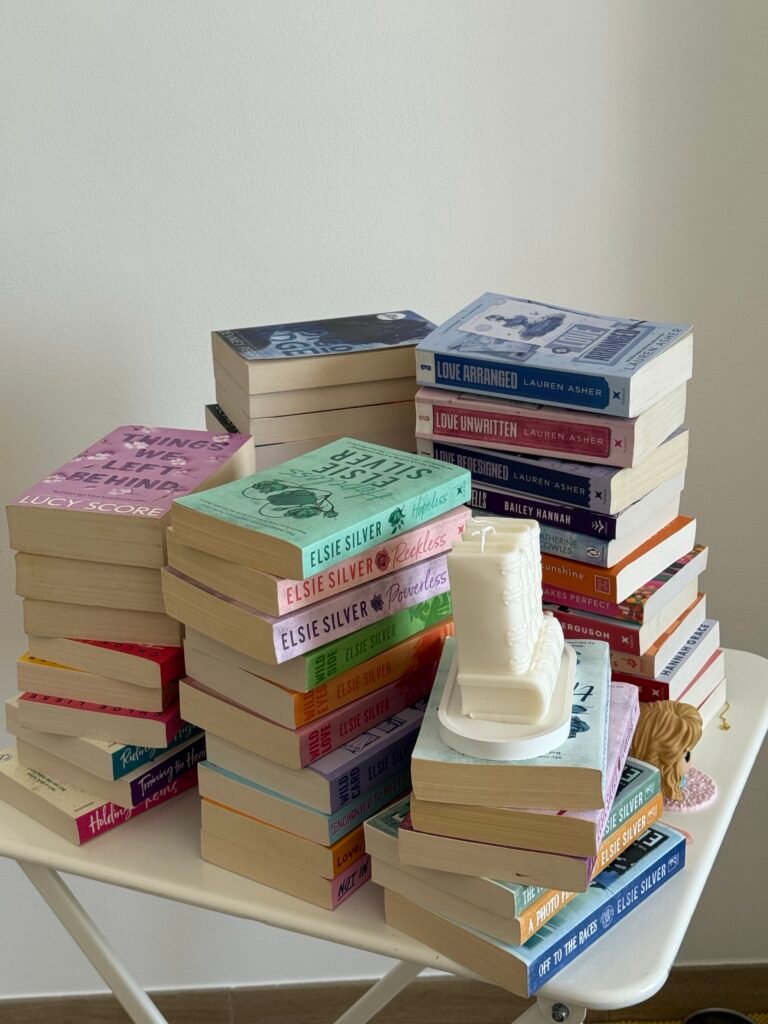
- Let supplies be a little visible. Thread, sheet music, vintage cookbooks, puzzle boxes. Not in chaotic piles, but in small, styled stacks. You’re letting your home advertise a life where making things is normal.
The goal is to make your analog hobby just a little more compelling than the nearest app.
Start badly on purpose (this is where the richness lives)
Old-school hobbies come with an unspoken pressure: if you’re going to bake from vintage cookbooks, the cake should be perfect. If you’re going to play piano, you should be “good.”
That’s the fastest way back to scrolling.
Instead, adopt three simple rules:
- Progress over polish.
- One new bar learned on the piano counts.
- One more inch of the border stitched counts.
- One imperfect loaf or lopsided cake still counts—especially if it makes the house smell like vanilla and butter.
- Tiny time blocks. Aim for 10–20 minutes most days you touch your hobby. Long, romantic sessions will happen occasionally; the life-changing part is the small, repeatable ones.
- Let your body enjoy the rhythm. Repetitive handwork and unhurried movement do good things that go beyond “productivity.” And when your hobby includes a bit of physical movement—walking to a local lesson, standing while you play, or arranging flowers in the kitchen
You’re not doing needlepoint for the wall art. You’re doing it for who you get to be while your hands are quietly working and your phone is somewhere else.
Weaving old-school hobbies into structure, habits, and relationships
A charming skill stops being “a cute idea I tried once” when it’s woven into the actual structure of your week.
Some ideas:
1. Give your hobby a named slot
- “Sunday afternoon cake.”
- “Tuesday needlepoint night.”
- “Thursday evening piano practice.”
Put it in your calendar the way you’d schedule a low-key spring bucket list date or a seasonal dinner from your at-home ideas list. The name turns it from “maybe” into “this is our thing.”
2. Pair it with an existing habit
Use habit stacking:
- After you clear the dinner dishes → you put on a playlist and add 15 puzzle pieces.
- After you put your phone on its evening charger → you sit at the piano bench for one song.
- After you make weekend coffee → you pick one small baking or arranging project.
You’re not inventing new time; you’re redirecting time that would have gone to background scrolling.
3. Let people you love into it (lightly)
Old-school hobbies are an easy way to shift relationships from parallel scrolling to shared presence:
- Invite a friend over for an “old-fashioned skills night” with puzzles, embroidery, or simple piano duets instead of another bar meet-up.
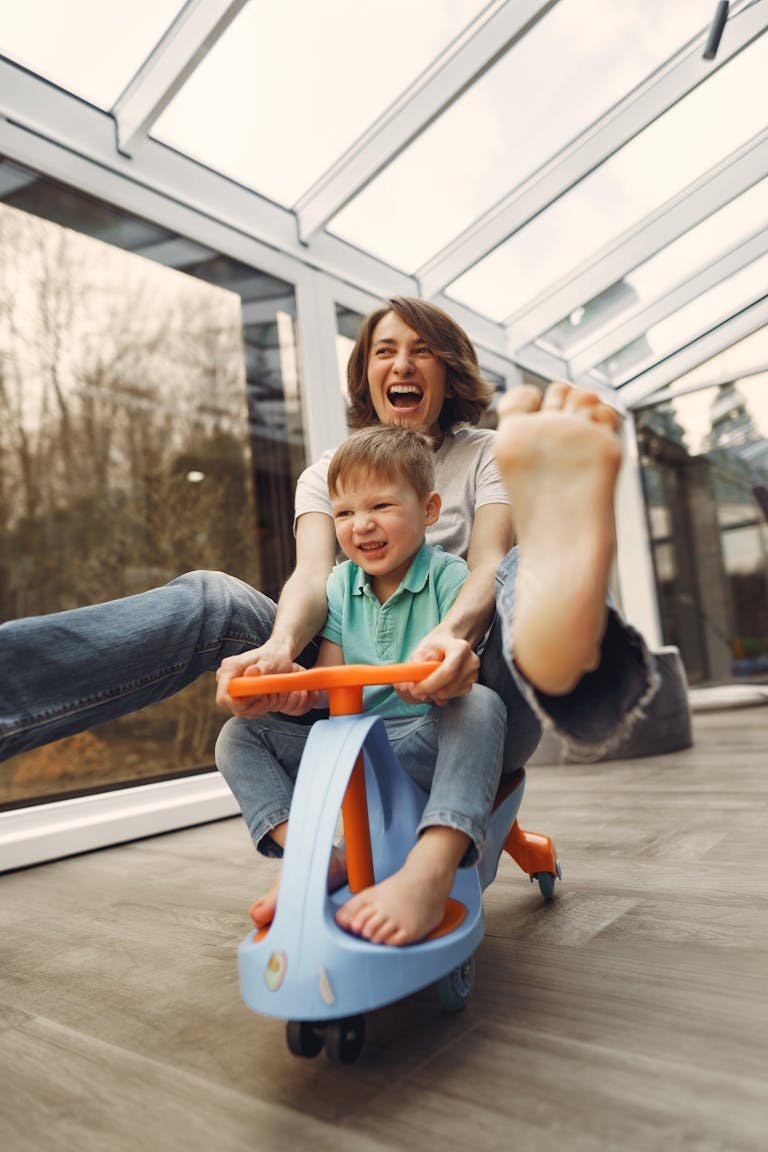
- Let kids “help” with flower arranging, stirring batter, or placing puzzle pieces. When you need more ideas for kid energy in screen-light evenings, this library of screen-free activities for kids is designed exactly for that.
- Turn one evening into a gentle, analog gathering—puzzles and pizza, letter writing and tea, or a cozy game night. You’ll find more frameworks like this throughout the screen-free activities guide, especially when you want low-tech ways to host and spend evenings.
You’re not banning screens. You’re simply expanding the number of ways your home, your habits, and your relationships can feel rich without them.
The quiet richness of being “a person who…”
At some point, your old-school hobby will stop feeling like a project and start feeling like part of who you are.
You’ll catch sentences like:
- “I’m working on this ridiculous floral sampler right now.”
- “I’ve been slowly learning this Debussy piece all winter.”
- “On Sundays I bake something from this vintage cookbook, just because.”
That’s the deeper gift here. You’re not just filling time. You’re building an identity that isn’t purely digital—someone who makes, tends, and practices, not just someone who scrolls.
You don’t have to overhaul your life to get there. You just need to choose one charming skill, give it a home in your week, and let it quietly do its work.