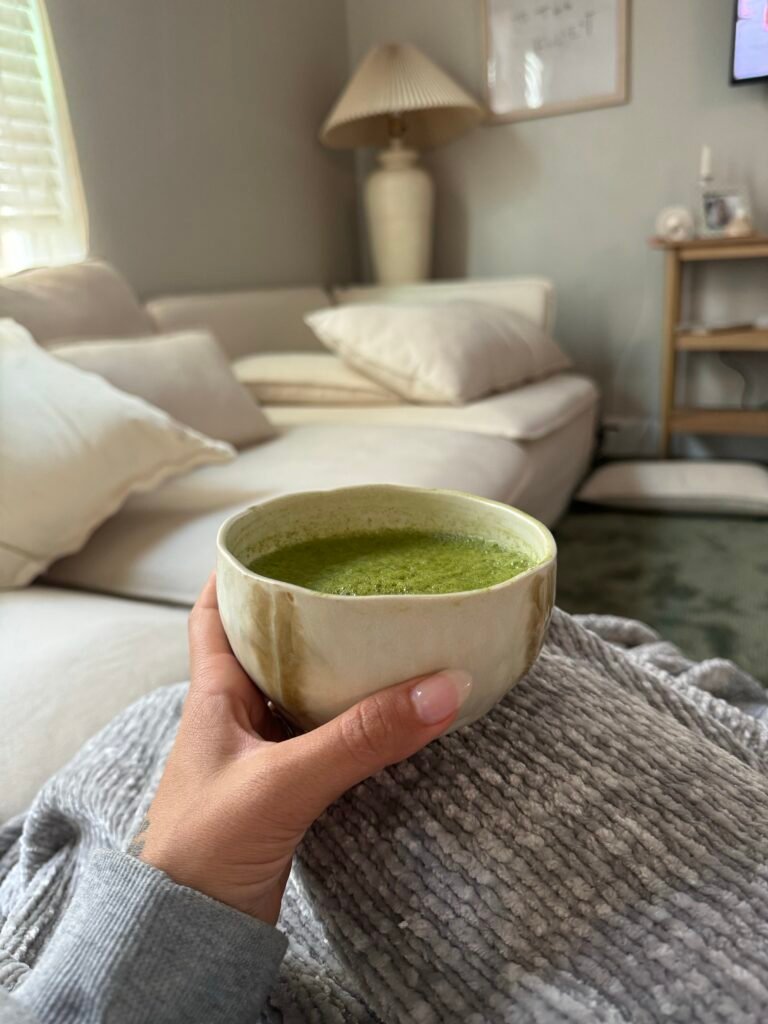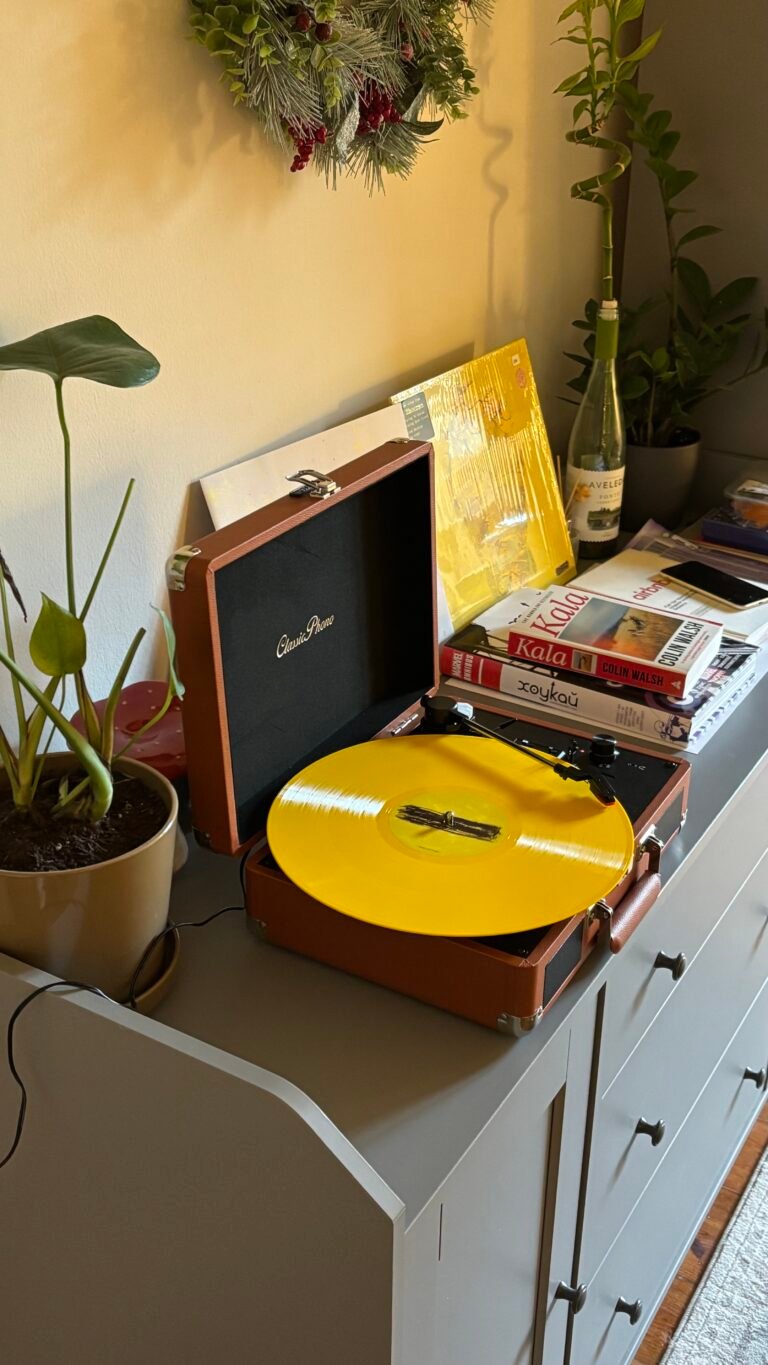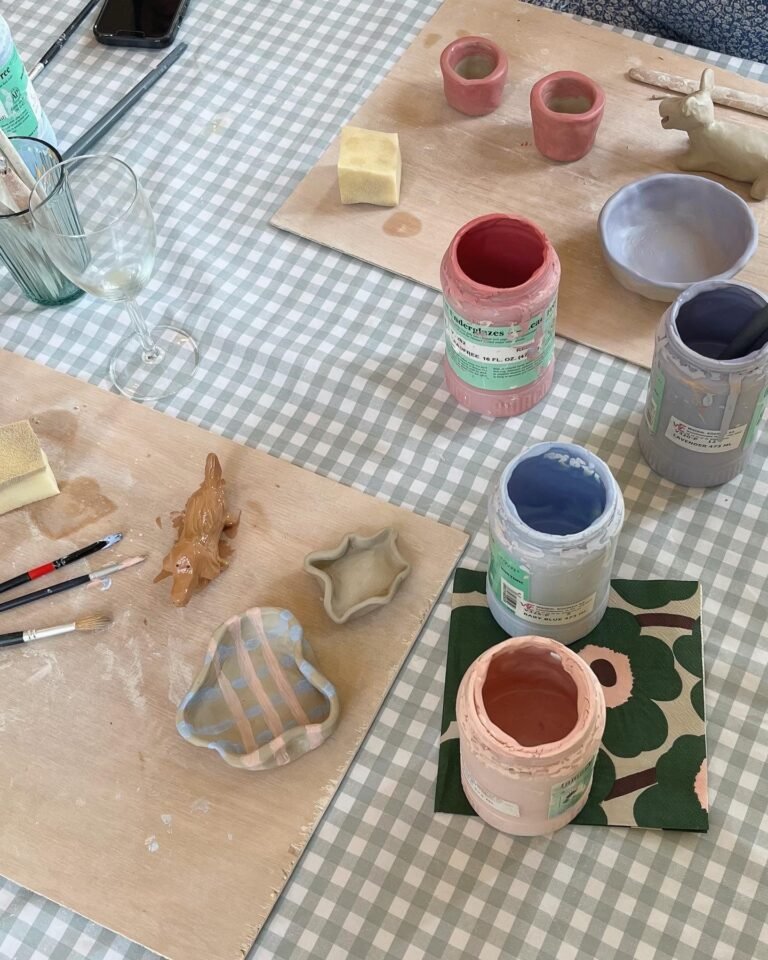
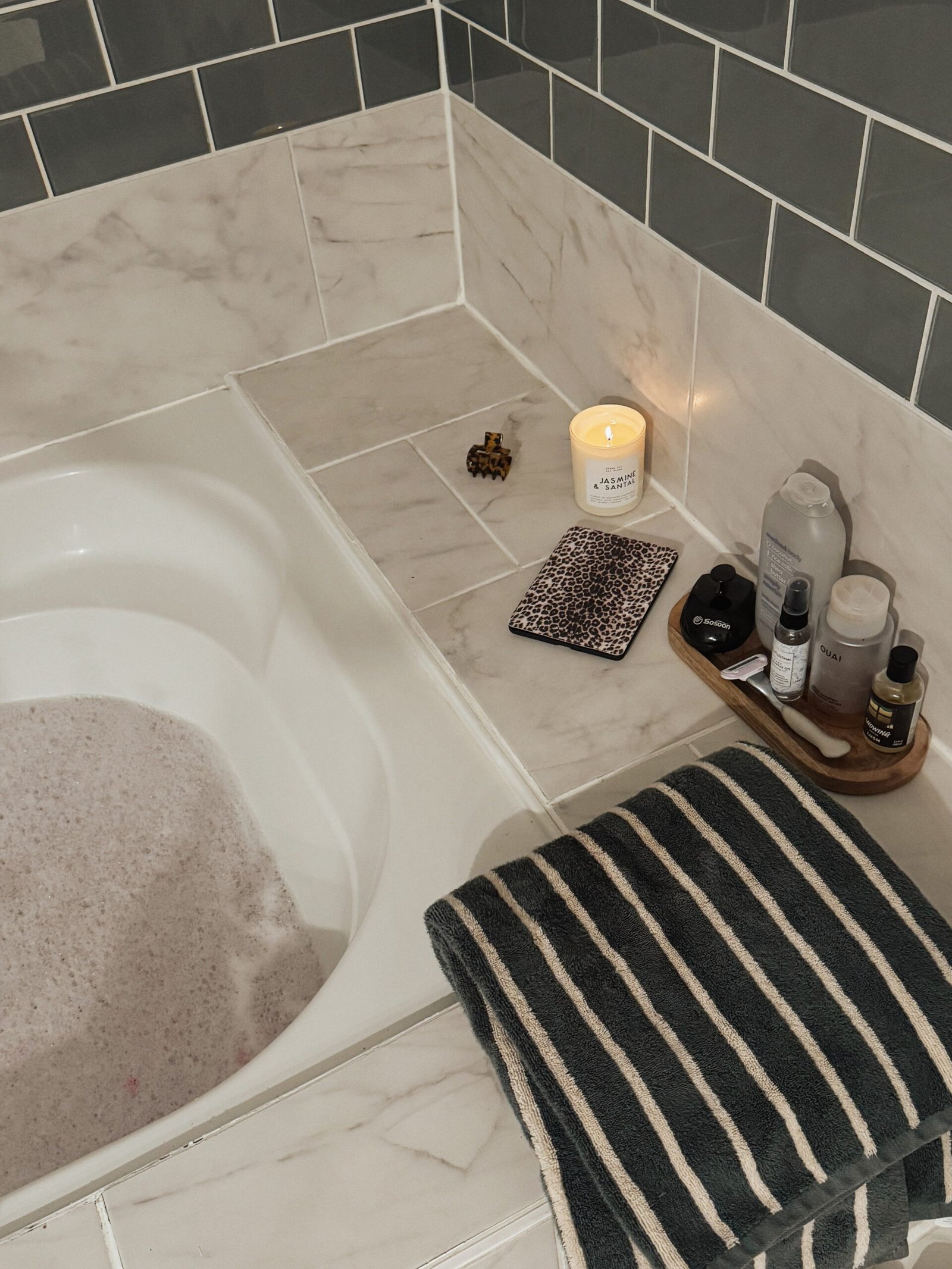
Learn how to unwind after work with a simple evening routine that helps you disconnect, relax and end the day feeling calm instead of drained.
Picture a Tuesday where you close your laptop, change out of work mode, and the rest of the night actually feels like your life.
Dinner is simple but satisfying. Your phone isn’t the main character of the room. There’s one small, real‑life thing you’re looking forward to—reading, a walk, a hobby, or a quiet conversation. By the time you head to bed, you feel softer, not drained, and tomorrow already has a gentle head start.
That’s what this weeknight routine is for.
In this guide, you’ll learn how to:
- Disconnect from work without losing momentum
- Build a simple evening routine that actually sticks
- End your day feeling calm instead of drained
Why After-Work Evenings Deserve Their Own Rhythm
Modern work is very good at expanding. Email can follow you to the couch. Slack can reach you in the grocery line. Your brain can keep solving problems long after you’ve technically logged off.
If you’re building what After Scroll calls gentle ambition—a career you’re proud of at a pace you can live with—your evenings matter as much as your calendar.
You’ve seen this on the broader career level in pieces like building a career you’re proud of without burning out. The same idea applies in miniature to a single Tuesday night:
- Work needs a clear off switch.
- Home needs its own rhythm, not just “leftovers after the job.”
- Your body and brain need a small pocket of life that isn’t about performance at all.
Research from the American Psychological Association on burnout keeps circling back to the same theme: it’s the combination of chronic overload and blurred boundaries that wears people down, not caring deeply about their work.
A gentle, structured weeknight routine is one of the most practical ways to put those boundaries back in place. Instead of collapsing into whatever your phone offers, you’re giving your evenings a clear job: help you land, remember who you are outside work, and quietly set up tomorrow.
The Simple Weeknight Routine (5 Gentle Steps)
Use this as a base recipe for any worknight. You can do the full version on calmer days and a shorter version on the weeks that feel intense.
One soft shutdown + one transition + one real dinner + one analog pocket + one tiny head start for tomorrow.

1. Soft-shut your workday so it stops following you home
Instead of working until you crash, end each workday with a 10–15 minute soft shutdown ritual that shrinks your job back to its proper size.
If you’re working toward a more humane career container like the one in gentle ambition at work, this is where you practice it daily.
Your shutdown might look like:
- Closing every tab except the one thing you’ll start with tomorrow
- Writing a short note: “Tomorrow moves… this.”
- Moving any lingering tasks to specific days instead of letting them live in your head
- Physically putting your laptop in a bag, tray, or drawer
If you work from home, pair this with one clear end‑of‑day cue from your calm‑week structure in how to structure your week when you work from home:
- Turn off a specific lamp you only use during work
- Move your laptop off the dining table
- Close the notebook and put your pen away
You’re telling your brain: Work is done for today. The evening belongs to real life.
2. Add a small transition so your body can exhale
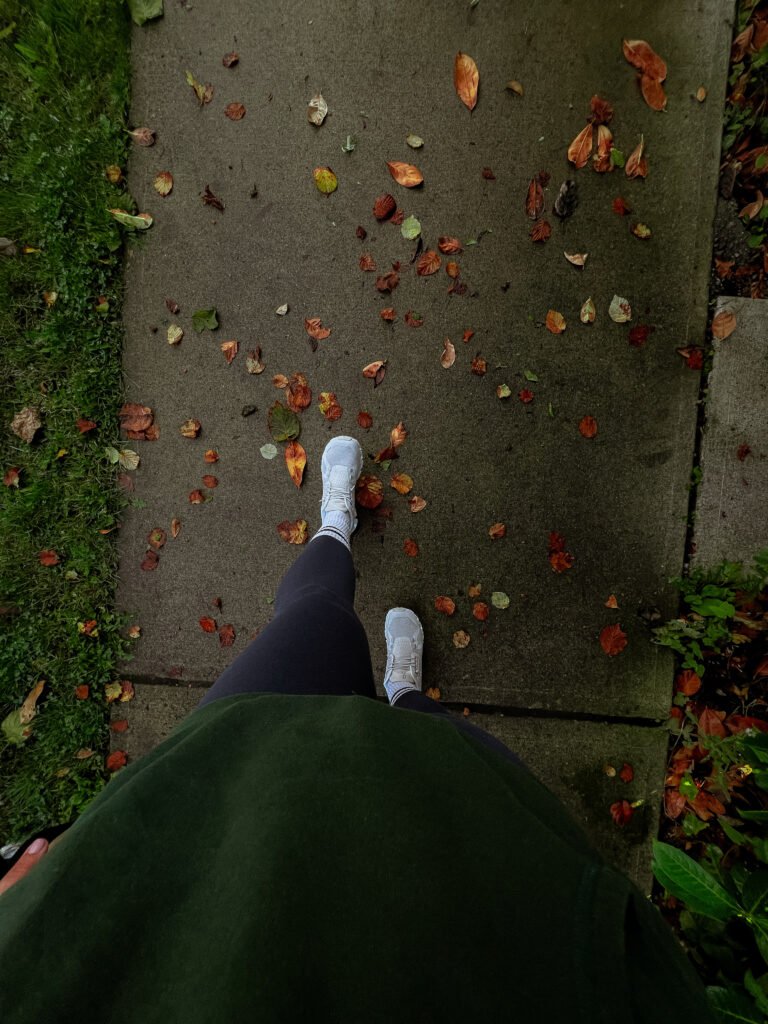
Going straight from “last email” to the couch can leave your nervous system buzzing. A tiny transition ritual helps your body register that the workday is actually over.
Pick one of these and keep it simple:
- A 10–20 minute walk around your block (in Q2–Q3, this might be your sunset loop; in Q4, it might be a bundled‑up stroll under streetlights)
- A slow tidy of the entryway or kitchen, lights softer, music on
- A quick stretch or floor routine while dinner is in the oven
On darker or colder nights, think of this as the indoor cousin of your analog hour at home: lights lower, hands busy with something physical, brain slowly stepping out of work mode.
The goal isn’t a full workout. It’s one small move that says: we’re home now.
3. Eat a real dinner that actually supports your energy
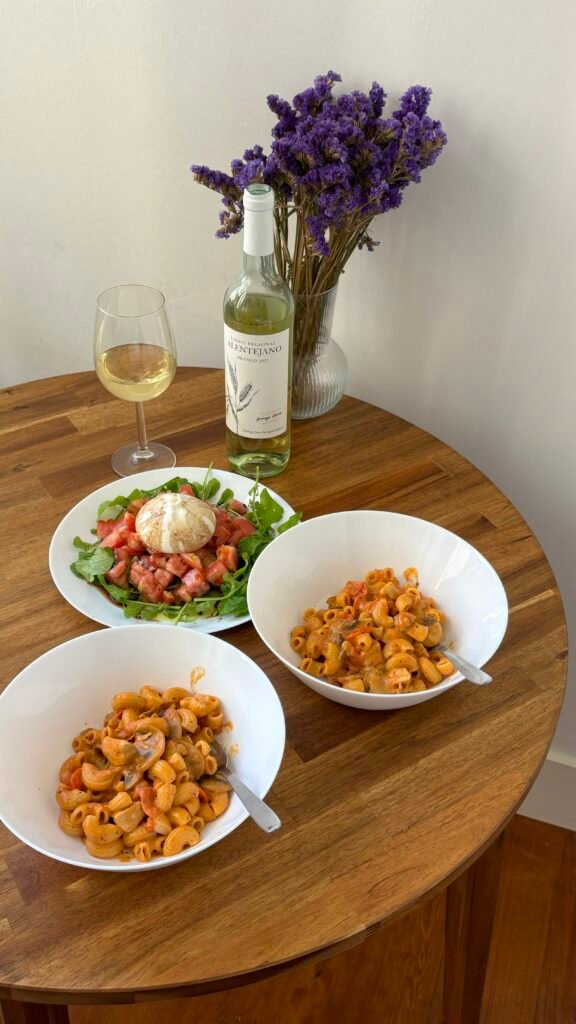
Your weeknight routine doesn’t have to mean elaborate cooking. It does benefit from one reliable dinner pattern that keeps you clear‑headed instead of slumped.
Borrow ideas from the kinds of meals that keep you clear‑headed on busy weeks:
- A low‑effort sheet‑pan meal you can assemble on autopilot
- One “house pasta” you make the same way every time
- A big salad base you batch on Sundays and customize each night
A few gentle rules:
- Eat at a table when you can—even if it’s just you and leftovers in real dishes
- Give yourself one small pleasure (a sprinkle of good cheese, a nicer drink) so dinner feels like a pause, not just another task
- Let screens take a back seat while you eat; this is a natural moment to check in with yourself or anyone you live with
You’re not trying to win at nutrition. You’re giving your body enough steady support that you don’t need to spend the whole night “recovering” from the day.
4. Create an after-work analog pocket that feels like a reward
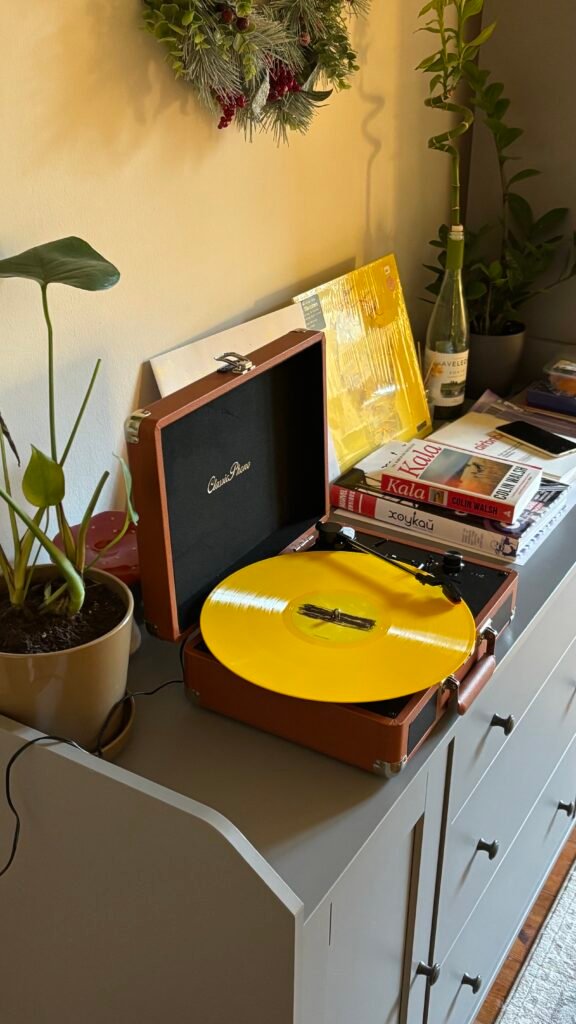
This is the heart of the routine: one pocket of time where you engage with your actual life instead of your feed.
Think of it as a lighter, weeknight‑sized version of your quiet-life evening or a mini analog hour.
It might be:
- Reading a few pages in your chair with a candle lit
- Working on a small craft or hobby project with music on
- Playing a simple game or doing a puzzle with your partner or roommates
- Tending to plants or a tiny balcony garden
To make this pocket stick, borrow a few of your better, kinder digital rules:
- Put your phone in another room or on a shelf during this block
- Let the TV stay off until after your analog time
- Use a lamp and one playlist you only turn on during these evenings, so your brain recognizes the cue
If you’ve already experimented with a phone‑light living room layout, let this analog pocket live right inside that space. Even 30 minutes where your hands are on real objects and your eyes are on real light will change how the whole night feels.
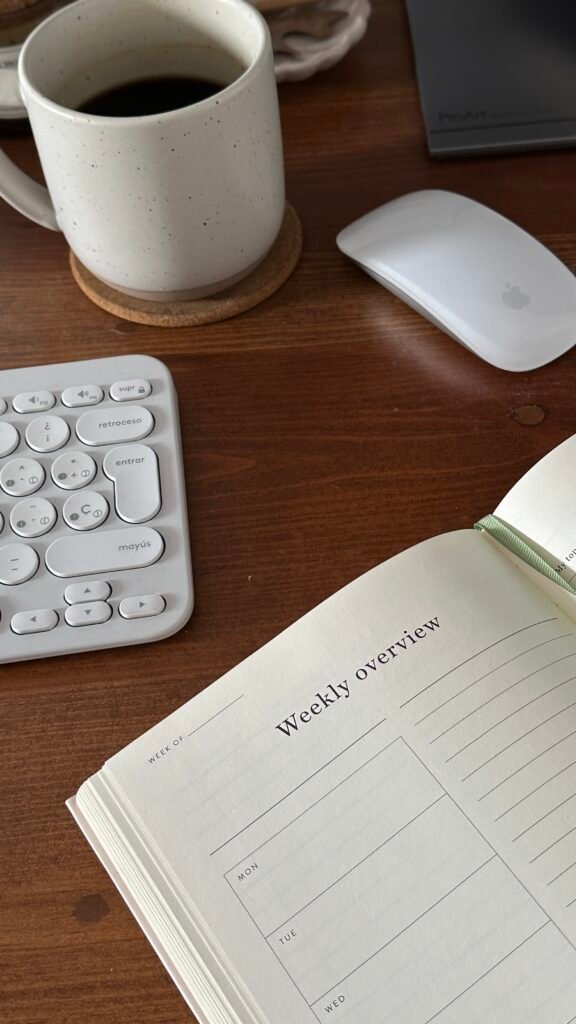
5. Give tomorrow one tiny head start before you call it a night
Before you drift into your late‑evening wind‑down, add a five‑to‑ten‑minute “future‑me” moment that makes tomorrow morning softer.
This is the companion piece to the structures in evening habits that make mornings easier:
- Decide tomorrow’s one thing in a single sentence
- Set out your coffee mug or water glass
- Clear the surface you’ll see first in the morning
- Plug your phone in somewhere that isn’t your pillow
Sleep specialists at the Sleep Foundation keep emphasizing the power of small, predictable pre‑sleep rituals. You’re simply putting a gentle, aesthetic spin on that science: dimmer lights, one last reset, and then you’re done.
When you wake up, your home feels like someone has already been taking care of you—and your job is to step into that care, not start the day from zero.
Adapting the Routine to Your Season and Energy
The exact shape of this routine will look different in June light than it does in December darkness, and different again on a high‑energy Tuesday vs. a rough Wednesday.
Use these lenses to keep it realistic.
On high-energy nights
When you still feel relatively energized after work, lean into slightly more active versions of each step:
- Take the longer version of your walk
- Cook something a little more special (or try a new recipe you’ve saved)
- Spend the analog pocket on a creative project that asks a bit more of you—writing, planning, or tending to a home project
This is a beautiful time to plug into frameworks like structuring your week so life actually moves forward. Your after‑work hours become the place where small, meaningful moves finally happen.
On low-energy nights
On the nights when you’re tired, shrink every step to its smallest version:
- Soft shutdown = closing your laptop and scribbling one line about tomorrow
- Transition = washing your face, changing into softer clothes, and turning one lamp on
- Dinner = toast and eggs on a real plate, not eating over the sink
- Analog pocket = ten minutes with a book or puzzle before you reach for your phone
- Head start = clearing just the section of counter you’ll see first thing
You’re still honoring the same structure; you’re just letting it meet you where you are. Even on “bare minimum” nights, the pattern trains your brain to expect something after work besides collapse and scrolling.
If you commute vs. work from home
- If you commute: use the ride home as your transition. Queue a calming playlist, skim your planner, and decide your one small analog activity for the night. When you walk in the door, go straight into dinner and your analog pocket before opening any new tabs.
- If you work from home: lean harder on the shutdown ritual and environmental cues from your calm, intentional work‑from‑home week. Physically changing your space—closing the laptop, moving a tray, turning off your “work” lamp—matters more when there’s no commute to separate the two worlds.
How This Routine Supports Gentle Ambition at Work
This isn’t a routine for checking out of your career. It’s a routine for holding your ambition at a human scale.
When evenings have structure:
- Your workday has to fit inside clearer boundaries
- Your week has a natural rhythm of on and off, not one continuous blur
- You have real energy left for the projects and relationships that sit outside your job description
Paired with the bigger frameworks in how to structure your week so life actually moves forward and gentle ambition at work, this simple routine does quiet, daily work:
- Structuring your time
- Strengthening your habits
- Beautifying your environment
- Deepening your relationships at home
In other words, it keeps you firmly in the world of active construction instead of passive consumption—one Tuesday at a time.
When you look back on this season later, these are the nights you’ll remember: not the ones where you finally caught up on every show, but the ones where your evenings started to feel like scenes you were actually living inside of.