These tiny household skills—setting a table, ironing linen, keeping flowers alive—make daily life feel calmer, smoother, and more elegant.
There is a certain kind of woman who can make an ordinary Tuesday night feel quietly exquisite.
Not because she owns anything especially extravagant. Not because her house is perfect. But because she knows a handful of small things that make daily life run more beautifully: how to set a table without overthinking it, how to bring leftovers back to life, how to keep a vase of flowers looking lovely for a few more days, how to press linen so a room feels immediately more finished.
That is the real appeal of tiny household skills right now. They make life feel smoother, calmer, and more deliberate. They create the kind of home that supports you instead of constantly asking more from you.
In this post, you’ll find a short list of small household skills worth learning, why they feel so modern and desirable now, and how each one helps build a life that feels more elegant to live inside.
The Short List: 8 Tiny Skills Worth Learning First
If you want the fastest version, start here.
- Set a table in five minutes. A cloth napkin, real glasses, and one small centerpiece go a long way.
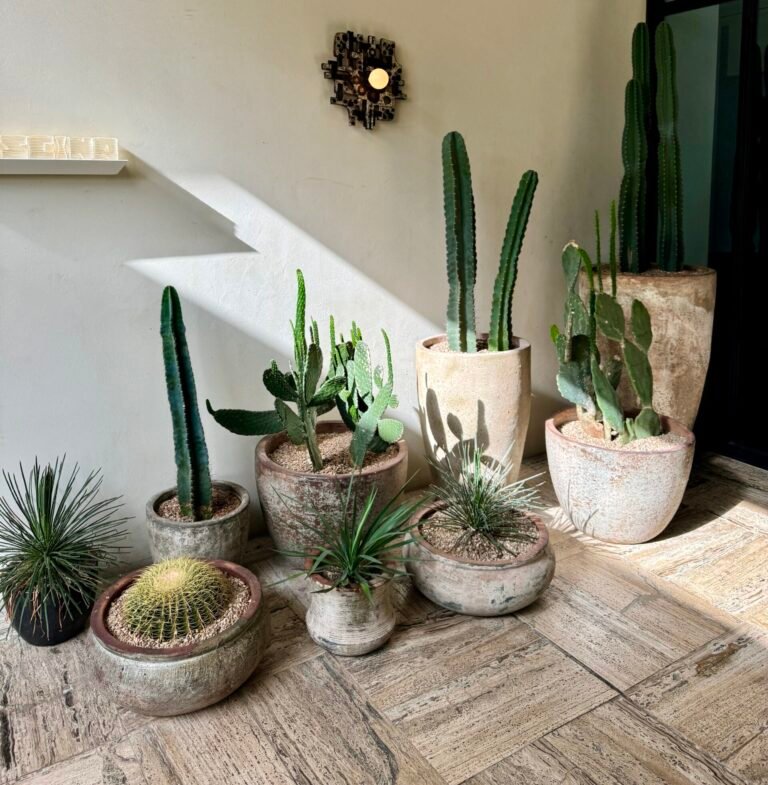
- Keep flowers or greenery alive a little longer. Fresh water, trimmed stems, and better placement change the whole mood of a room.
- Revive leftovers with intention. A sauce, fresh herbs, toasted bread, or a better plate can make last night’s dinner feel thoughtful again.
- Steam or iron simple linens. Pillowcases, napkins, tablecloths, and cotton shirts instantly make a home feel more put together.
- Sew on a button or fix a tiny hem. It keeps favorite pieces in rotation and removes a surprising amount of friction from getting dressed.
- Polish shoes and care for leather. A two-minute reset makes everyday pieces feel expensive again.
- Sharpen a knife or know when it needs attention. Cooking becomes calmer, safer, and noticeably more satisfying.
- Pull together one easy hosting setup. A few staples, one reliable snack board, and a candle can make last-minute company feel easy.
You do not need to learn all of these at once. Even two or three will start to change how your home feels.
Why These Ordinary Skills Feel So Appealing Right Now
For a long time, “luxury” was sold as something you bought.
Now, more women are drawn to a different kind of richness: a life that functions beautifully. A kitchen that helps dinner happen without chaos. A bedroom that feels restful. A dining table that can be ready for a friend in ten minutes. A closet full of clothes that are cared for instead of constantly replaced.
That is part of why practical elegance feels so compelling right now. The most attractive homes and routines are not the most performative ones. They are the ones that feel quietly competent.
In the same way that more women are craving rooms with more texture, memory, and real-life warmth, they are also craving the skills that let them move through those rooms with ease. Luxury, in this sense, is not excess. It is fluency.
It is knowing what to do next.
1. Setting a Table Without Making It a Production
One of the fastest ways to make everyday life feel better is learning how to set a table without turning it into an event.
This does not mean formal entertaining. It means being able to make dinner look cared for in under five minutes.
A simple formula works beautifully:
- plates you already like
- cloth napkins or even one folded kitchen towel in a pinch
- proper glasses instead of random cups
- one candle, flowers, or a small bowl of citrus at the center
That is enough.
The skill here is not styling. It is removing hesitation. When you know how to make the table feel ready, dinner becomes more inviting by default. It is much easier to sit down, eat slowly, and actually enjoy your evening.
And when you pair that with quiet little weeknight rituals that make staying in feel better, the table stops being a flat surface and starts feeling like part of your life.
2. Keeping Flowers Alive Long Enough to Matter
Fresh flowers have a way of making a home feel instantly more graceful, but the deeper luxury is knowing how to care for them just enough that they become part of your week instead of a two-day gesture.
Trim the stems. Change the water. Remove the leaves that sit below the waterline. Move the vase away from direct heat and harsh sun. That is most of it.
Small knowledge creates ease.
The beauty of this skill is not only aesthetic. It changes your environment in a way that keeps asking you to look up. A kitchen counter with flowers on it feels different. A bedside table with one small bud vase feels different. A bathroom sink with a clipped branch feels different.
If you already love the idea of a weekly flower ritual that softens the whole house, this is the companion skill that makes the ritual last. And if you want a few more ideas for placing flowers where they brighten the rooms you actually live in, that world fits naturally here too.
There is also something reassuring about the fact that contact with living things genuinely changes how a space feels. Overviews on how nature impacts our wellbeing and feeling nurtured by nature both point to the same quiet truth: natural elements help us feel calmer, more grounded, and more present in our surroundings.
3. Reviving Leftovers So Dinner Still Feels Lovely
One of the least glamorous but most luxurious household skills is knowing how to make yesterday’s food feel appealing again.
Not “using leftovers” in a punitive way. Reviving them.
That might look like:
- reheating roasted vegetables in a hot pan instead of the microwave
- turning extra rice into fried rice with one egg and a handful of scallions
- adding lemon, herbs, olive oil, or yogurt to wake up cold leftovers
- putting soup in a proper bowl with toasted bread and a drizzle of something good
- slicing leftover chicken onto greens instead of eating it straight from the container
The point is not to perform domestic excellence. It is to make the food you already made feel worthy of the table again.
This is one of those skills that quietly supports everything else: your budget, your evenings, your sense of capability, and the emotional texture of home. It turns “we should probably eat what’s here” into “this still feels nice.”
4. Pressing Linen and Cotton Until a Room Feels Finished
There are few transformations as immediate as pressed fabric.
A wrinkled tablecloth can make a room feel slightly off, even when everything else is lovely. A steamed set of pillowcases or a crisp cotton shirt can shift the whole atmosphere in under ten minutes.
That is why knowing how to iron or steam a few basics matters more than it sounds.
Start with the easy things:
- napkins
- pillowcases
- a tablecloth
- a cotton button-down
- the skirt or dress you reach for constantly
You do not need to become devoted to ironing. You only need enough familiarity that it stops feeling like a mysterious, annoying task.
Pressed linen has the same appeal as candlelight or fresh flowers. It makes a room feel tended. It gives ordinary moments a little ceremony.
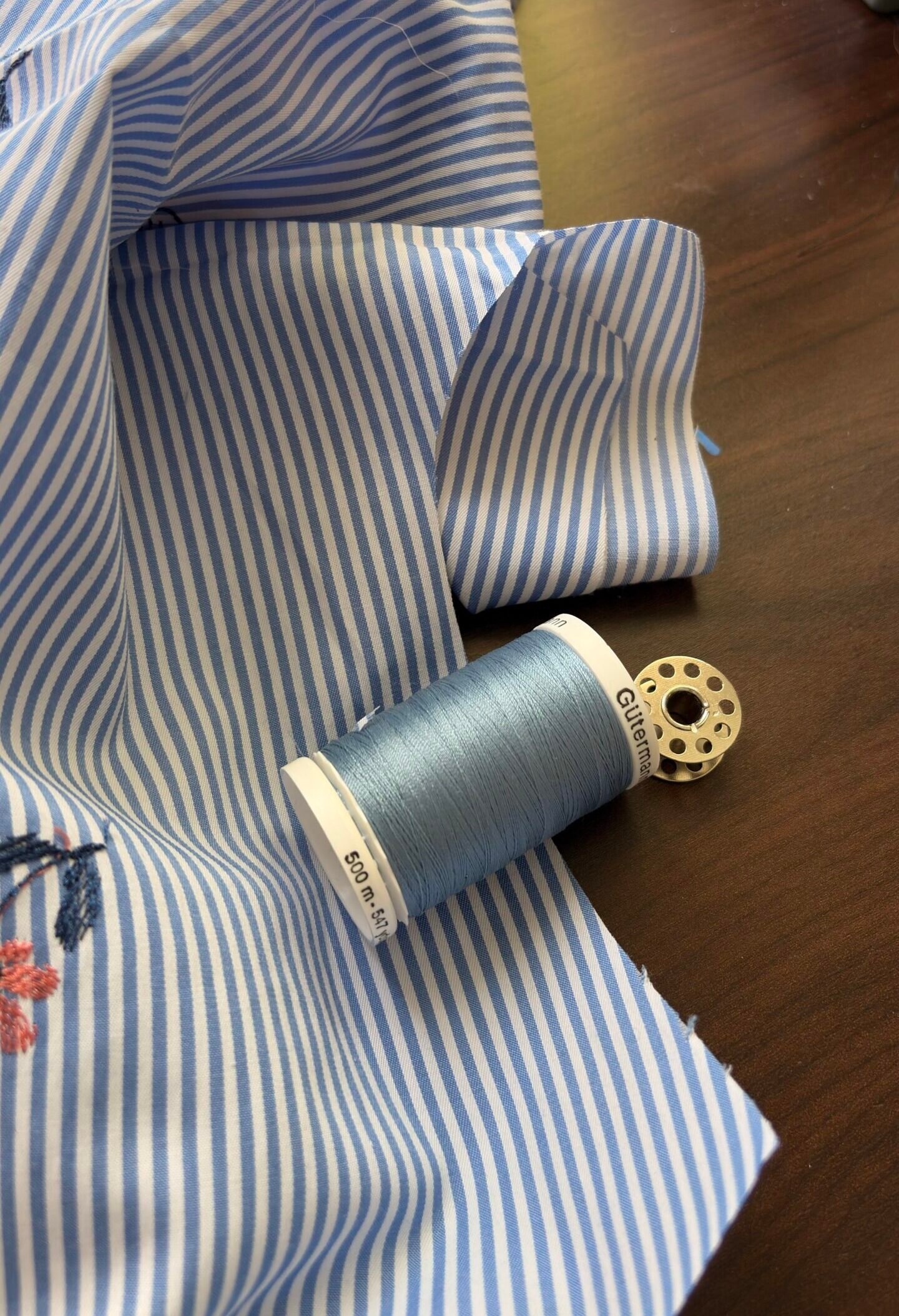
5. Sewing on a Button and Fixing Tiny Problems Early
There is a special kind of confidence that comes from not being derailed by a loose button, a fallen hem, or a strap that needs one small stitch.
These are tiny problems. But tiny problems have a way of multiplying friction.
When you can fix them yourself, life keeps moving.
A very small mending kit is enough:
- neutral thread
- tiny scissors
- a few needles
- spare buttons
- safety pins
- iron-on hem tape if you like a shortcut
The appeal of learning these skills is not old-fashioned virtue. It is freedom. Your favorite skirt stays wearable. Your coat keeps looking polished. A beautiful piece does not end up abandoned over a five-minute repair.
This is part of the same broader return to old-school skills that make evenings and homes feel richer. Not because we are trying to become historical reenactments, but because competence is deeply calming.
6. Polishing Shoes and Caring for the Things You Already Own
A polished shoe changes an outfit in a way that is hard to explain until you see it.
Even very simple clothes look more finished when the shoes are clean, conditioned, and intentionally chosen. The same goes for a leather bag, a belt, or a favorite pair of boots.
This skill is wonderfully low drama:
- wipe off dust and dirt
- use a proper brush or soft cloth
- add a little conditioner or polish when needed
- store things so they keep their shape
It is a small act of maintenance that makes your everyday pieces feel more expensive, and it subtly changes how you carry yourself too.
Luxury often looks like acquisition from the outside. In real life, it often looks like care.
7. Keeping a Knife Sharp Enough That Cooking Feels Easy
A dull knife makes cooking feel tedious. A reasonably sharp one makes it feel graceful.
This is one of those invisible household skills that changes your whole relationship to a task. Slicing herbs becomes quick. Chopping onions becomes cleaner. Even making a simple lunch feels less irritating.
You do not need deep knife knowledge. You just need the baseline habit of noticing when a knife is dragging instead of gliding, and either honing it, sharpening it, or getting it professionally sharpened.
The payoff is immediate:
- cooking feels less messy
- prep goes faster
- you are more likely to make real food at home
- the kitchen feels like a place of capability rather than friction
That kind of practical fluency is what makes everyday adulthood feel lighter. The kitchen stops being a site of low-grade resistance and starts becoming one of the easiest places to create comfort.
8. Having One Easy Hosting Move Ready to Go
Some of the most elegant women are not the ones who host elaborately. They are the ones who can create warmth quickly.
That usually comes down to having one simple formula memorized.
Maybe yours is:
- olives, cheese, crackers, and sliced fruit on one board
- sparkling water, wine, and a candle
- cloth napkins and a playlist already in mind
Maybe it is soup, good bread, and a simple salad.
Or maybe it is dessert and tea after dinner rather than a full meal.
What matters is that you know your version.
This is where household skill turns into relational ease. Your home becomes a place where a friend can stop by. Your evenings become more social without becoming chaotic. You stop treating hospitality like a performance and start treating it like a normal extension of daily life.
And that, honestly, is one of the most luxurious feelings there is.
What These Skills Really Build
On paper, these are tiny domestic competencies.
In practice, they build something much bigger.
They build structure because your home starts to run on repeatable rhythms instead of constant improvising, and habits because you begin doing small acts of care before problems pile up.
They build environment because your rooms become easier to enjoy and more supportive of presence, and relationships because a calm table, a warmed plate of leftovers, or a ready candle makes it easier to bring other people into your real life.
Most of all, they build self-trust.
The woman who knows how to freshen the room, save the shirt, sharpen the knife, and pull dinner together is not performing competence for the internet. She is simply at home in her own life.
If you are also trying to create a slower, more intentional hour at home, these skills support that beautifully. They make ordinary life more touchable. More usable. More satisfying.
In a culture that often confuses luxury with more, that kind of ease feels especially beautiful.
It is tactile. Quiet. Repeatable.
And perhaps that is why these tiny household skills feel so modern right now: they help you build a life that feels good enough to stay present for.