
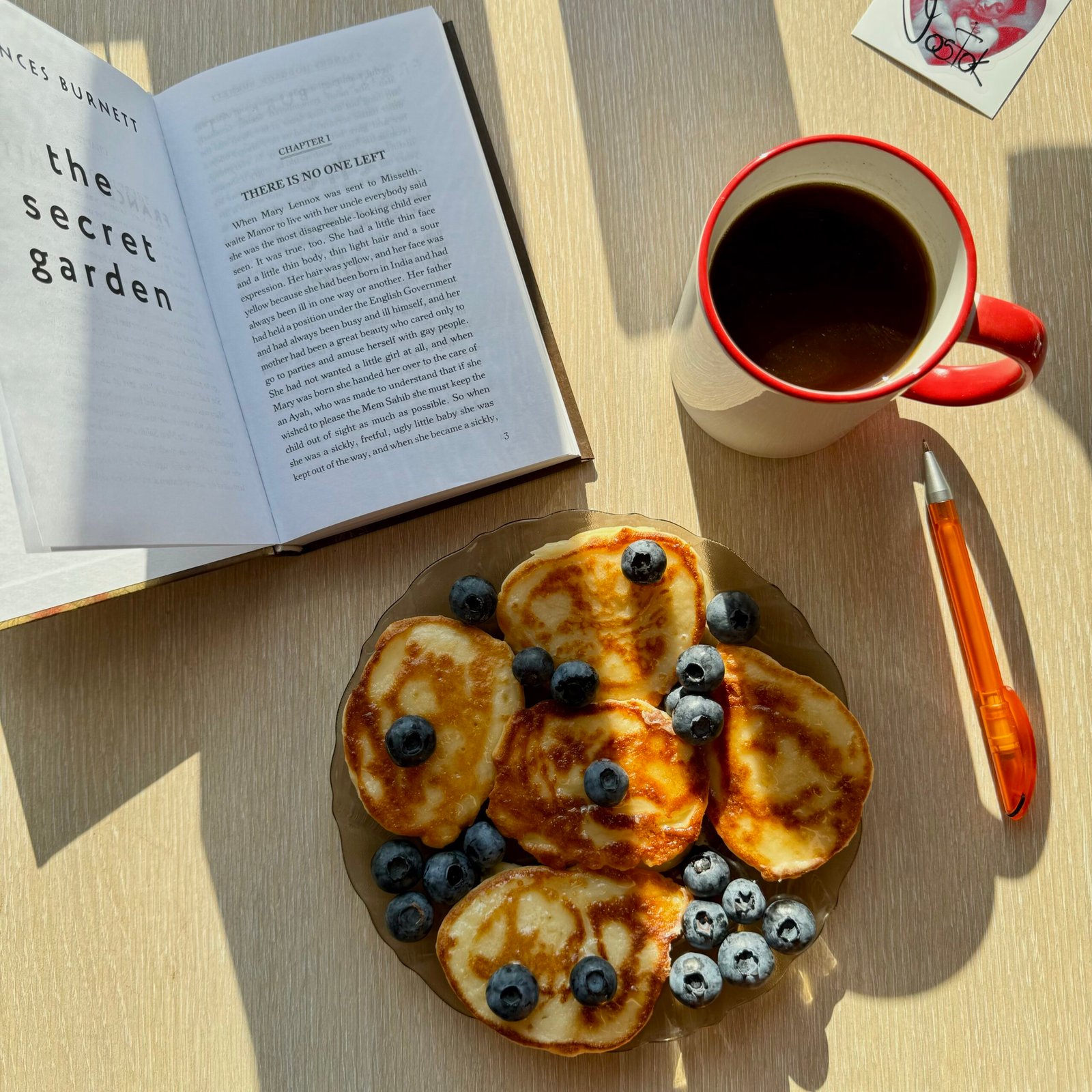
Feeling mentally fried from scrolling? These low dopamine activities offer simple, satisfying ways to reset your attention and actually unwind.
There’s a particular kind of break that actually restores you: a glass of cold water in a real glass, a window cracked open, a book face-down on the arm of the chair, a kitchen slowly coming back together, your mind returning to the room instead of disappearing into a feed.
That is the appeal of low dopamine activities. Not punishment. Not making life boring. Just choosing forms of pleasure that are quieter, slower, and easier for your nervous system to stay inside.
If the phrase low dopamine activities brought you here, think of it as shorthand for lower-stimulation, screen-light things that help your brain settle instead of spike. The goal is not to remove all pleasure. It is to make real life feel interesting again.
And if you want this to work long term, it helps to pair these ideas with a calmer first hour before the internet gets a vote and a phone setup that stops acting like the most exciting object in the room.
If you need a real break right now, start with one of these
If your brain feels buzzy and you want something gentler in the next ten minutes, try one of these first:
- Drink a full glass of water away from your phone.
- Open a window and stand there for two minutes.
- Make tea and actually sit down to drink it.
- Put one small area back in order.
- Read three pages of a physical book.
- Step outside and notice the temperature, light, and sounds.
- Fold laundry without adding a video.
- Write tomorrow’s one important thing on paper.
- Stretch your shoulders, neck, and wrists.
- Light a candle and tidy the surface closest to you.
Those tiny resets matter because they interrupt the automatic reach. And once you give your attention somewhere real to land, the rest of the day usually gets easier.
10 low dopamine activities to start the day
Morning is one of the best places to use low dopamine activities because your attention is still fresh.
- Open the blinds before you open an app. Let the room wake you up first.
- Drink water in the kitchen without your phone nearby. It is ordinary and grounding in the best way.
- Step outside for five quiet minutes. Morning light helps set the tone for the whole day.
- Make your bed slowly. Not as a moral victory—just as a first act of order.
- Write your one main priority by hand. This works especially well if you are trying to build structure instead of reacting all day.
- Put on real clothes before you scroll. Even a simple outfit changes the mood of a morning.
- Unload the dishwasher or reset the sink. A tiny home task can create immediate momentum.
- Read a devotional, essay, or a few pages of a book. If you are rebuilding your reading life, making books easier to reach for again is one of the loveliest ways to use this first hour.
- Make breakfast without background content. Let chopping, stirring, or toasting be the main event.
- Sit with coffee and do nothing for five minutes. It sounds almost too simple, which is exactly why it feels luxurious now.
10 low dopamine activities for when your hands need something real to do
A lot of screen time happens because your hands are idle. Give them a job, and your mind often follows.
- Fold a basket of laundry. Repetitive, useful, satisfying.
- Water your plants and rotate them toward the light. A tiny relationship with something living goes a long way.
- Wipe down the kitchen counters. It is one of the fastest ways to make the room feel calmer.
- Chop fruit or prep vegetables for later. This is especially good in the late afternoon, when you want to feel ahead of your evening.
- Copy a recipe into a notebook. It feels slower and more personal than saving another tab.
- Work on a puzzle for ten minutes. A beautiful alternative to the endless swipe.
- Mend a button, hem, or loose thread. Small domestic competence is deeply grounding.
- Knit, embroider, or crochet one small section. Old-school hobbies are wonderful because they ask for your hands but not your panic.
- Rearrange one shelf, tray, or bedside table. Not a full redecoration—just enough to make the room feel more intentional.
- Bake something simple. Even stirring batter can be a reset.
- This is also where a small menu of better offline options becomes useful. If you keep a written list of a few tactile, pleasing things like these, you do not have to invent a better choice every time your brain asks for a hit.
10 low dopamine activities for calmer focus and creativity
Not every break needs to be passive. Some of the best low dopamine activities are small forms of creation.
- Journal three honest sentences. Not a performance, just a place to land.
- Brain-dump your ideas on paper. Projects, recipes, outfits, party ideas, anything.
- Sketch badly on purpose. Low-stakes creativity is part of what makes life feel yours again.
- Make a handwritten list of things you want to cook, wear, read, or host. It turns vague desire into something more tangible.
- Read one chapter of a physical book. If your evenings feel slippery, try reading inside one protected offline hour that belongs to real life.
- Write a note or card to someone. It is slower and warmer than reacting to a story.
- Listen to one full album side or playlist without multitasking. Let music have your whole attention for a little while.
- Organize your week in a paper planner. Pens, paper, and a clear plan can feel far more settling than tapping through apps.
- Make a vision page in a notebook. Cut-outs, words, colors, future dinner ideas, anything tactile and aspirational.
- Practice one small skill. Piano, hand lettering, language flashcards, flower arranging, anything that asks for steady attention rather than stimulation.
- This is one reason low dopamine activities are so powerful: they move you from consumption back into authorship. They help you build a life, not just comment on one.
10 low dopamine activities for evenings, connection, and a softer landing
Evenings are where many women lose the day to a blur of couch-scroll fatigue. A few better defaults change the atmosphere fast.
- Take a slow walk without headphones. Let your thoughts catch up.
- Set the table nicely for an ordinary dinner. A cloth napkin, a candle, a proper plate—it matters.
- Sit on the floor and play with your child. Blocks, crayons, cards, whatever brings you into the moment.
- Ask your partner or friend one real question. Not logistics. Something that opens the evening up.
- Play a card game. Simple, repeatable, better than everyone half-scrolling through a show.
- Do a 10-minute home reset. Straighten the living room, clear the counters, dim the lights.
- Take an everything shower or a long bath without your phone in the room. Let care be care.
- Prep tomorrow. Lay out clothes, set out a mug, write a short list, make the next morning easier.
- Read aloud or listen to one person read. Surprisingly intimate, surprisingly calming.
- Go to bed a little earlier with a book instead of your screen. Especially because constant digital input changes how attention feels, slower evening activities help ordinary life feel rich again.
- And if sleep has been harder lately, it helps to remember that electronics can keep pulling on your body at night, not just your mind. A softer last hour is often less about discipline and more about making rest easier to reach.
How to make low dopamine activities easier to choose
The biggest mistake is assuming you will magically remember these ideas in the exact moment you want to scroll.
You probably won’t.
Make the good option visible:
- keep the book on the chair, not hidden on a shelf
- keep the knitting basket or puzzle within reach
- keep a handwritten list of 10 favorite low dopamine activities on the coffee table
- keep your phone farther away than the analog option
- keep one room in the house a little more inviting than the feed
That is the deeper point behind so much of the After Scroll world. Better habits get easier when your environment helps. A screen-light, slower life is rarely built through willpower alone. It comes from rhythms, objects, rooms, and rules that make real life easier to choose.
That is also why the switching costs of constant task-hopping matter so much. The more often you bounce between tiny digital inputs, the harder it becomes to settle into anything slower or deeper. Low dopamine activities work because they reduce the bounce.
A simpler way to think about this
You do not need 40 new hobbies.
You need 4 or 5 low dopamine activities that fit your real life:
- one for mornings
- one for the afternoon dip
- one for the couch-scroll moment
- one for evenings
- one for the days when your brain feels especially noisy
That is enough to begin.
And over time, those little choices start to create something larger: a slower rhythm that lets you actually feel your own life, a home that supports presence, and days with more texture than whatever was waiting in the feed.
Low dopamine activities are not really about being less entertained. They are about becoming easier to satisfy.
That is a beautiful shift.