
Tired of copy-paste interiors? Create a home with character—layered, personal, and filled with pieces that actually mean something.
Walk into a home with mismatched dining chairs, sun-faded books, a painting from a trip years ago, kids’ drawings taped to the fridge, and a slightly chipped mug that everyone still reaches for first. Nothing matches perfectly—and yet the whole room feels warm, specific, and alive.
That’s the quiet pull of a story‑rich home.
After a long stretch of beige grids, matching sets, and “Pinterest-perfect” corners, more women are choosing something softer and more personal: homes layered with memory, thrifted finds, heirlooms, handmade pieces, and everyday objects that actually get used. Charm over aesthetic. Story over the algorithm.
In this piece, we’ll explore:
- What’s really changing as we move from hyper‑curated to charming, lived‑in spaces
- How to tell when a room is story‑rich (not just cluttered)
- Gentle principles for layering mismatched pieces so the room still feels calm
- Low‑cost ways to add texture, memory, and meaning with what you already own
The goal isn’t to perform taste for the internet. It’s to build a home that quietly supports the life you’re constructing—your habits, your evenings, your relationships—every time you walk through the door.
From “Aesthetic” to Charming: What’s Actually Changing
For years, the default look online has been easy to recognize:
- Matching furniture sets ordered all at once
- Beige or grey everything “because it goes with anything”
- The same sofas, art prints, and lamp silhouettes in every photo
- Shelves styled more for photos than for actually reaching for a book
There’s nothing wrong with a calm, cohesive space. The shift now is less about color and more about intent.
An aesthetic‑first room is designed to photograph well. A charming, story‑rich room is designed to be lived in.
You feel it in details like:
- A sideboard that holds a jumble of inherited dishes that come out every Sunday
- A coffee table with a puzzle in progress and a well‑thumbed stack of books
- A living room that’s oriented around conversation and analog rituals, not just the TV—think of the way a phone‑free living room you actually want to be in quietly shifts how evenings feel
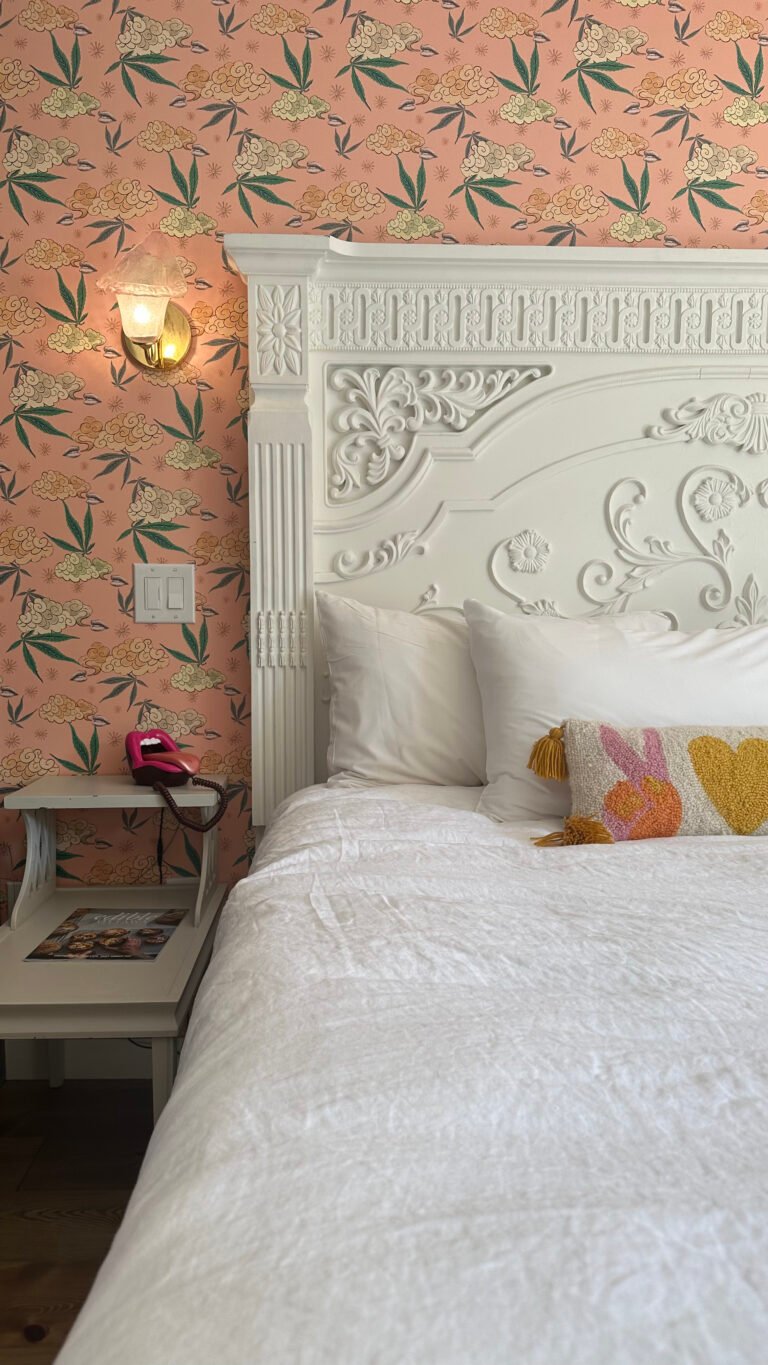
- A bedroom where the art above the bed is from somewhere you’ve actually been, not just something an algorithm served you
Charm is less about perfection and more about evidence—of people, of seasons, of life happening in three dimensions.
How to Tell If a Room Is Story‑Rich (Not Just Busy)
A story‑rich room isn’t the same thing as a crowded one. The difference is coherence.
Look for these quiet signals:
- You can point to what things mean. The blanket on the sofa came from your grandmother. The ceramic lamp was a flea‑market find from your first apartment. The framed recipe on the wall is in a relative’s handwriting. You could tell someone why most things are there.
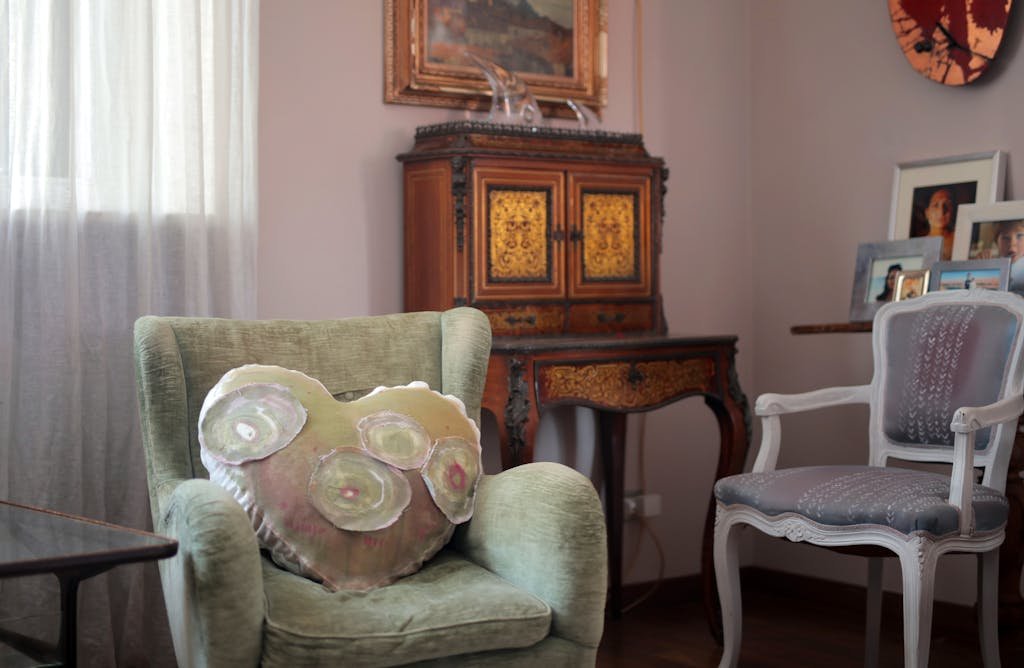
- There’s a mix of eras and price points. New sofa, vintage side table. IKEA bookshelf, inherited chair. A thrifted silver tray under a very normal mug. The room feels layered, not straight‑off‑the‑truck.
- You see hobbies and in‑progress life, not just decor. Sheet music on the piano, a half‑finished embroidery hoop, a stack of cookbooks open to the dessert section, flowers waiting to be arranged using those simple fresh flower moments around the house.
- Surfaces feel edited, not stripped. There’s breathing room—and there are also a few objects that earn their place: a candle, a photo, a little bowl from a trip.
- The room nudges you toward presence, not escape. Instead of every seat pointing at a screen, the layout invites you into conversation, reading, a board game, or the kind of quiet‑life evening that makes Tuesday feel special.
If a space feels loud or chaotic, it doesn’t mean charm is a bad idea. It just means the stories need a bit more structure.
Principles for Layering Charm Without Creating Chaos
The beauty of a mismatched, story‑rich home is that it doesn’t have to be designed all at once. But a few gentle rules keep things feeling intentional instead of accidental.
1. Give each room a simple story
Instead of styling around a trend, choose a one‑sentence brief for each space:
- “This is the room where we read, play music, and host slow evenings.”
- “This is where we land after work and actually talk to each other.”
- “This is the hallway that tells our family story in photos.”
Use that sentence when you’re deciding what stays out and what goes away. If an object doesn’t support the story, it can live somewhere else—or not at all.
2. Repeat colors and materials so mismatched pieces belong
Charm doesn’t mean visual noise everywhere. Choose a small palette and echo it:
- Woods in similar tones (all light, all warm, or all dark)
- 2–3 recurring colors across textiles and art
- A few repeated textures: linen, rattan, glazed ceramic, worn leather
This is the same logic you’ve seen in easy spring‑ready decor swaps: you can nudge a whole room toward a new season just by trading heavy fabrics for lighter ones and repeating a color in a few key spots.
3. Let one thing be perfectly imperfect
In a story‑rich home, not everything is pristine—and that’s part of the point.
- A slightly scratched dresser you love anyway
- A table with paint marks from a long‑ago craft project
- A child’s drawing framed right next to more “serious” art
Let one obviously imperfect thing stay in each room as a quiet reminder: this space is for living, not performing.
4. Keep surfaces purposeful
A flat surface can either invite story or collect “stuff.” Aim for three roles on major surfaces:
- Functional: lamp, tray for keys, basket for remotes
- Beautiful: a photo, small sculpture, or flowers
- Negative space: a clear patch where your eye—and your coffee cup—can land
You’re not erasing personality. You’re giving your favorite objects enough space to be noticed.
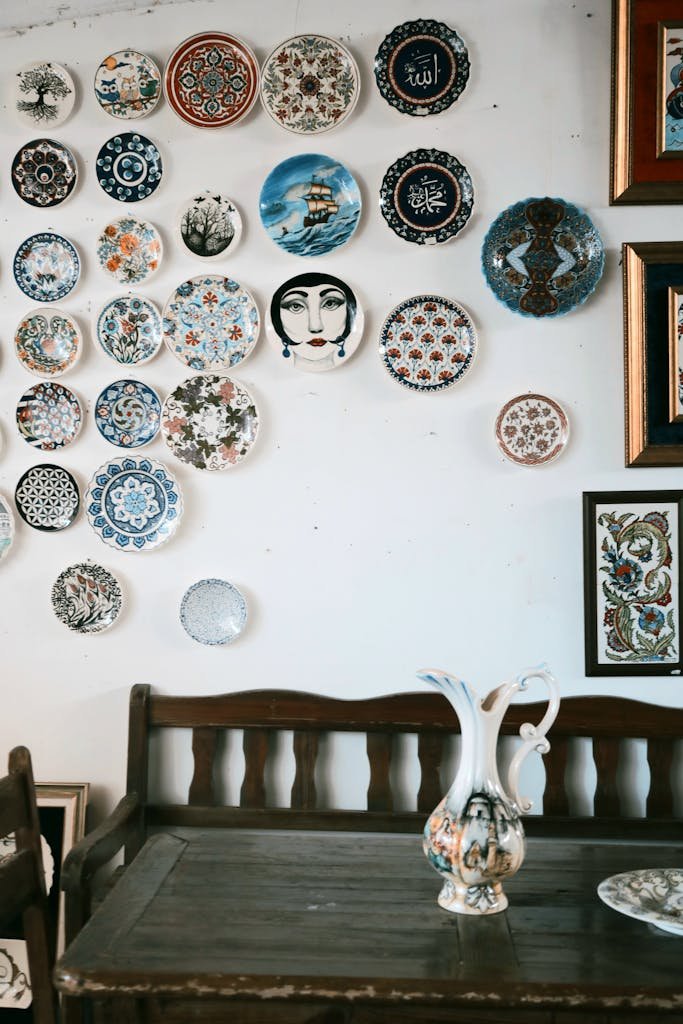
Gathering the Pieces: Heirlooms, Thrift Finds, and Everyday Objects
You don’t have to shop your way into a charming home. Most of the character is already around you.
Start with what you already have
Walk through your rooms with a different lens:
- Which objects would you be heartbroken to lose?
- What have you been keeping in cupboards “for special occasions”?
- Which pieces feel like they belong to a previous season of your life—and which feel like the person you’re becoming?
Bring out a few things with real stories: a bowl from a trip, your partner’s childhood books, a favorite mug, a woven blanket passed down through the family. Let them live where you’ll actually see and use them.
Add slow finds, not giant hauls
Instead of a massive decor order, think in one‑piece‑at‑a‑time:
- A small vintage painting for over the light switch
- A secondhand wooden chair that looks good pulled up to the table or parked by a window
- A stack of thrifted cookbooks you’ll actually cook from
Old‑school, tactile hobbies help here too. If you’ve been flirting with the idea of embroidery, needlepoint, or piano, you’ll find plenty of ideas in the wave of old‑school hobbies that make evenings feel richer. Those pieces naturally become part of your decor—the sampler drying on the back of a chair, the sheet music open on the piano, the mending basket under the lamp.
Let everyday tools be part of the story
Charming homes treat useful objects as part of the scene:
- Wooden spoons in a pretty crock by the stove
- A row of well‑loved board games stacked on a low shelf
- A tray by the sofa with a puzzle box, cards, and a candle
When you’re thinking about how to fill those corners, it can help to keep a short list of screen‑free activities that actually feel good nearby. The activities you choose will quietly determine which objects deserve a permanent spot.
Nature, Texture, and Why These Rooms Feel Different
Part of the magic of story‑rich homes is sensory: there’s simply more for your body to experience than a flat screen and a beige wall.
Think plants on window ledges, a vase of tulips on the table, a woven rug under bare feet, a linen curtain moving slightly in the breeze.
You don’t need a greenhouse to tap into that. Start with:
- A grocery‑store bunch of flowers split into two or three small vessels (the ideas in these simple flower arrangements that brighten a room are perfect for this)
- One or two plants you actually like looking at
- Real wood, pottery, linen, and woven baskets instead of everything plastic or glossy
When your eyes land on something alive and textured instead of another flat surface or glowing rectangle, your whole nervous system gets a different message: we’re here, we can land.
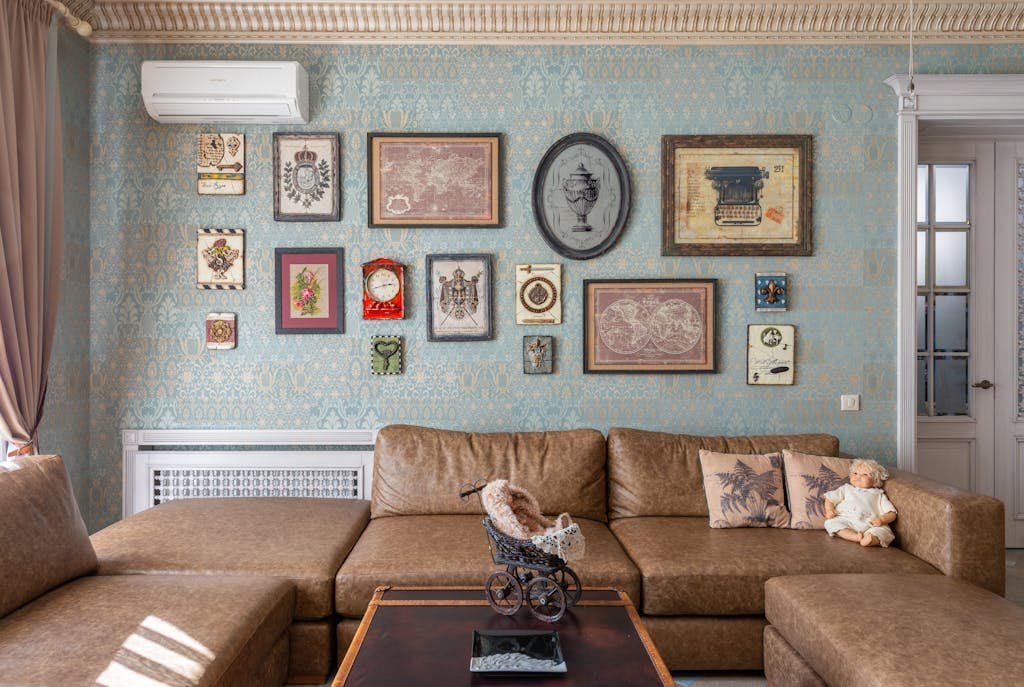
Let Your Routines Catch Up to Your Decor
A charming home isn’t just about how things look. It’s about what regularly happens in those mismatched rooms.
Once you’ve started layering in story‑rich pieces, connect them to small rhythms:
- Light a lamp and sit in the same chair with a book for ten minutes most nights.
- Keep a puzzle or craft on the coffee table and add a few pieces during your analog hour in the evening.
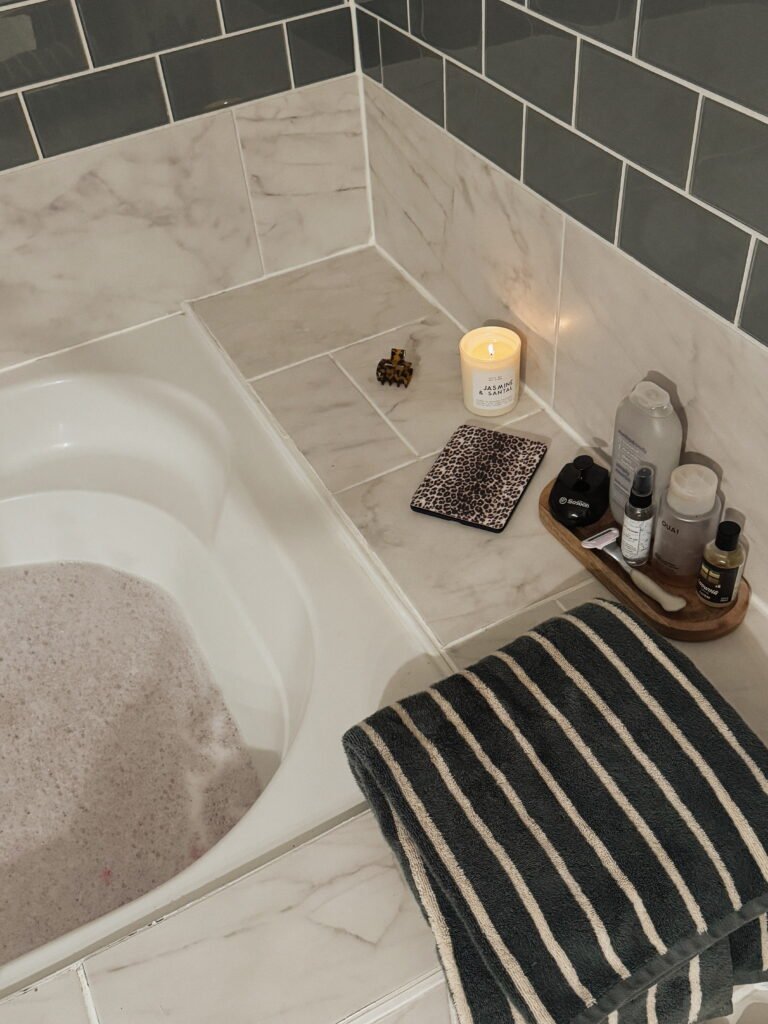
- Use your dining table for one slow, device‑free dinner each week—no perfection required, just real plates and a candle.
If you’re already experimenting with quiet weeknight rituals that make staying in feel romantic, let your environment join the story: flowers where you eat, a stack of conversation cards by the couch, a record player that only comes on after dark.
And if you’re rethinking how screens show up in your space, weave in a few ideas from the work on how your home quietly trains you to scroll. A charming home doesn’t hide every device—but it does make the path toward real life a little smoother than the path toward another scroll tunnel.
Over time, those rituals turn random objects into landmarks: this is the lamp you always turn on for reading, this is the armchair where you embroider, this is the sideboard where you keep the cake stand you use every Sunday.
Small, Low‑Cost Ways to Start Today
You don’t need a budget, a perfect plan, or a free weekend to move your home from aesthetic to charming. Try one or two of these this week:
- Swap one “decor” item for something with a story. Trade a generic print for a framed postcard, recipe card, or photo you actually love.
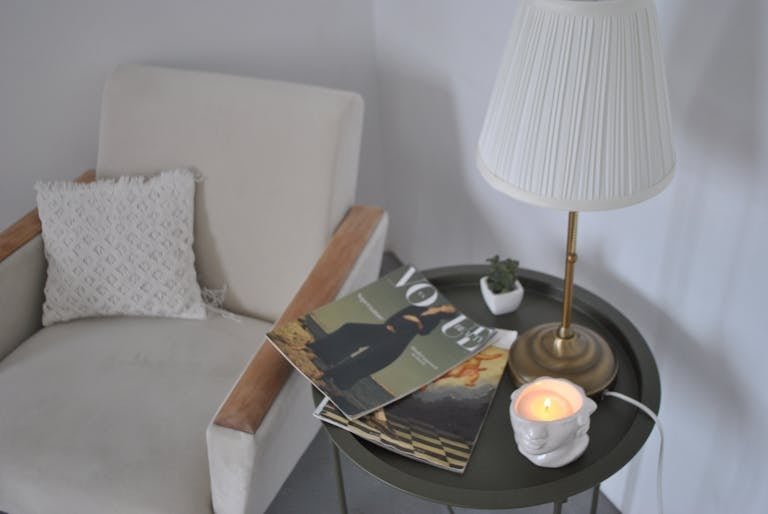
- Create a tiny story corner. On a side table or shelf, layer: a lamp, a book you’re reading, one framed photo, and a small object from a trip or heirloom box. That’s it.
- Give flowers a regular job. Add a bunch of grocery‑store flowers to your cart and use one of the easy arrangements that make rooms feel alive again. Put them where you pass by ten times a day.
- Re‑angle one piece of furniture toward people instead of screens. Turn a chair slightly toward a window or conversation zone instead of straight at the TV. It’s a tiny change that can make your living room feel more like a place to land than a place to scroll.
- Start one charming skill in the open. Leave a needlepoint hoop, puzzle, or piano book visible so your evenings have a built‑in alternative to the algorithm. The ideas in that guide to old‑school hobbies that make life feel rich are a great source of inspiration.
- Tell yourself the room’s new story out loud. “This is the room where we land at night and actually talk.” “This is the corner that reminds me our life is bigger than my feed.” Let your words catch up to what you’re quietly building.
A story‑rich home doesn’t arrive in a weekend. It shows up slowly: one picture rehung, one lamp moved, one inherited bowl finally used for Sunday dessert. Piece by piece, your rooms stop auditioning for the internet and start feeling like they were made for you.