Learn simple home skills like sewing, fixing hinges, and hanging art to make your home feel calmer, more functional, and truly yours.
There is a very specific kind of confidence that comes from tightening a loose hinge before it starts annoying everyone in the house, sewing a button back on before a favorite cardigan disappears into the “I’ll deal with it later” pile, or finally hanging the picture that’s been leaning against the wall for three weeks.
It is not glamorous. It is not hardcore DIY. Instead, it is simply the pleasure of moving through your own life like a woman who can handle a few things.
That kind of capability changes more than the object in front of you. It changes the rhythm of your home, the way you approach inconvenience, and the quiet relationship you have with yourself. In this piece, we’ll start with the tiny skills worth learning first, then talk about why they feel so good right now—and how to make this kind of competence part of your everyday life.
7 little things worth learning first
You do not need to become “a handy person” overnight. Start with a few small fixes that remove friction from daily life almost immediately.
1. Sew on a button
A missing button should not send a perfectly good shirt into exile.
Learn how to thread a needle, knot the end, and secure a basic four-hole or two-hole button in a few minutes. Once you know how, the whole thing stops feeling dramatic.
2. Tighten loose screws and hinges
A wobbly cabinet pull, crooked handle, or squeaky hinge makes a room feel more chaotic than it actually is. A small screwdriver and two steady minutes can make your kitchen or bathroom feel calmer fast.
3. Patch or hem something simple
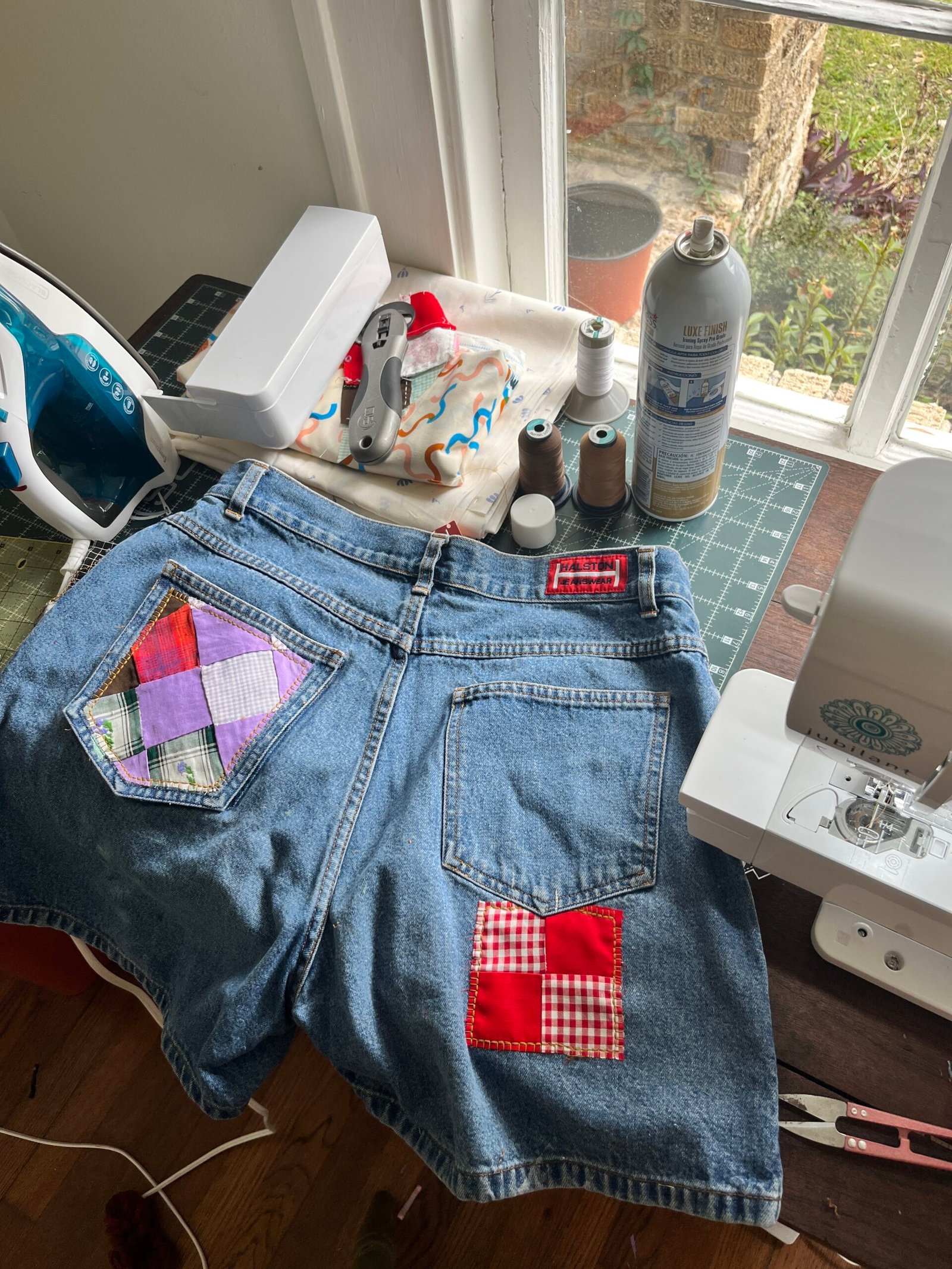
Not every piece of clothing needs a tailor. A basic iron-on hem, a quick hand stitch, or a small patch can rescue pajamas, jeans, table linens, and favorite basics.
If you love the idea of keeping a tiny basket nearby for these kinds of repairs, the ritual of keeping a mending basket by your favorite chair makes this feel much more inviting.
4. Hang a picture properly
A measuring tape, level, pencil, and the right hook solve a surprising number of “my house still feels unfinished” problems. Knowing how to place art well makes a room feel more intentional almost instantly.
5. Change a lightbulb or revive a lamp
It sounds obvious, but so many little lighting issues linger because no one stops to troubleshoot them. Sometimes it is just the bulb. Sometimes it is the shade, the plug, or a switch that needs attention. Either way, it is the kind of tiny fix that makes a room feel alive again.
6. Treat a stain or simple fabric issue quickly
A little dish soap, baking soda, or stain spray used right away can save clothes, napkins, rugs, and tablecloths. Half the skill is simply knowing to act while the problem is still small.
7. Keep a tiny household toolkit together
One small box with scissors, thread, extra buttons, a mini screwdriver, measuring tape, picture hooks, super glue, safety pins, and spare bulbs will make you feel more capable than a giant hardware-store haul ever will.
That is the whole point: a few basic skills and a few basic tools go a long way.
Why these tiny skills feel so satisfying right now
A lot of women are craving a more grounded kind of adulthood.
Not louder ambition. Not more optimization theater. Just a life that works well.
That includes meals you know how to pull together, routines that hold the week in place, rooms that feel warm and usable, and small problems you can solve without turning everything into an event. Practical competence is appealing because it makes life feel smoother from the inside.
It is similar to the appeal of old-fashioned hobbies, home rituals, and slower evenings: we want more evidence that our lives exist in three dimensions. We want to touch real materials, improve what we already own, and feel less dependent on constant consumption. A loose hem, a fallen picture, or a dim lamp may be a tiny problem, but fixing it reminds you that your home is something you shape—not just something you pass through.
That is why these skills feel bigger than they are. They are not really about screws, thread, or wall hooks. They are about self-trust.
If you have already felt the pull toward small promises that quietly build self-trust, this is the household version of that same instinct.
This is not about becoming a DIY woman
It helps to be clear about what this piece is not saying.
You do not need to refinish furniture, install shelving, or spend your weekends watching tutorial videos until you emerge as a different person. You do not need a garage full of tools. And you do not need to become the family maintenance department.
This is about everyday self-sufficiency at the level that actually improves your days.
Can you reattach the button on your coat before school pickup? Or tighten the dining chair before guests come over?
Can you finally hang the art print that makes the hallway feel finished? Or patch a hem, swap a bulb, or fix the frame instead of ordering a replacement out of irritation?
That is enough.
In fact, part of the elegance here is restraint. Knowing a few practical things often matters more than owning a hundred gadgets. The woman who can quietly handle small interruptions tends to move through her home with less drama, less clutter, and more ease.
The deeper reward is how you feel in your own home
A home does not feel beautiful only because of what is in it. It feels beautiful because of the way life moves inside it.
When small issues linger—crooked art, broken lamps, loose handles, piles of “needs fixing”—they create low-grade visual and mental noise. Nothing is catastrophic, but everything feels slightly unfinished.
When you start handling those things, your environment begins to feel more settled. The room is not just pretty; it works. The dress is not just loved; it is wearable. The shelf is not just a good idea; it is actually on the wall.
That kind of follow-through creates a home that feels used, tended, and lived in. It belongs naturally beside the appeal of rooms that feel collected, warm, and real instead of algorithmically perfect.
You are not trying to impress the internet. You are making your actual life easier to enjoy.
Build a tiny system for capable living
The easiest way to become “someone who fixes little things” is not motivation. It is setup.
Create a small system that makes action the default.
Keep your tools visible and simple
Do not hide everything in a mysterious garage bin. Keep a modest household kit somewhere easy to reach. Think pretty basket, small drawer, or lidded box in the laundry room, hallway closet, or kitchen utility shelf.
Include:
- scissors
- thread in a few basic colors
- needles
- spare buttons
- mini screwdriver set
- measuring tape
- picture hooks or nails
- hammer
- super glue
- stain remover pen or spray
- spare lightbulbs
You are not building a workshop. You are building a calm response.
Give yourself one weekly reset moment
Choose one pocket of time—maybe Sunday afternoon, maybe while dinner is in the oven—when you walk through the house and ask one simple question:
What is one small thing I can fix this week?
Not ten things. One.
A chair leg. A lamp. A hem. A frame. A drawer pull.
This is exactly the kind of low-friction ritual that works beautifully inside a screen-light hour at home, where your attention belongs to making and tending instead of default scrolling.
Try repair before replacement
Not always. Not obsessively. Just once, before you buy again.
Can this be glued, stitched, tightened, cleaned, or rehung first?
Sometimes the answer will be no. But often the answer will be yes—and that small pause changes your whole relationship to convenience.
Why competence feels luxurious
There is something unexpectedly luxurious about not being helpless around your own life.
Not because independence is a performance, but because capability reduces friction.
A woman who knows how to handle small domestic problems often experiences her day differently. She is less likely to let a tiny issue become a weeklong irritation. She can preserve what she already owns, and notices that maintenance is part of beauty. And she understands that a well-run life is often built from unremarkable acts repeated quietly.
This is also why practical skills feel so aligned with the After Scroll woman. She is not trying to escape her life. Instead, she is trying to inhabit it more fully.
She wants meals she can cook, rooms she wants to spend time in, relationships that happen face to face, work she can feel proud of, and routines that create steadiness. Knowing how to fix a little tear or hang something properly may sound small, but it supports that larger vision beautifully.
It adds structure, and it builds self-trust.
It shapes the environment.
And it makes real life easier to choose.
Let kids, partners, and friends see this side of you
One of the loveliest things about small practical skills is that they tend to spread.
When children grow up watching you mend, hang, adjust, tighten, patch, or troubleshoot calmly, they absorb a very useful message: problems are often smaller than they look. Things can be tried. Objects can be cared for. Home is something you participate in.
The same is true in adult relationships. A household feels different when at least one person knows how to gently close loops. It makes hospitality easier, mornings smoother, and everyday life less theatrical.
And it creates better texture for your evenings too. Instead of every spare pocket disappearing into your phone, there is room for hands-on life again: a repair basket on the table, a lamp relit, a frame rehung, a small fix completed before bed. It belongs to the same family of charming skills that make evenings feel richer and more grounded.
Start with one thing this week
If this whole idea appeals to you, do not make it abstract.
Choose one small thing in your actual life:
- sew the button back on the cardigan
- tighten the loose knob in the bathroom
- hang the print that is still leaning against the wall
- create the tiny household kit
- learn one simple hem
- fix the lamp on the side table
That first act matters because it changes the story.
You are no longer “someone who should really learn how to do that.”
You are someone who did.
And once that starts happening, something subtle shifts. You trust yourself a little more. Your home feels a little calmer. The gap between noticing and acting gets smaller.
That is the quiet confidence of knowing how to fix little things yourself.