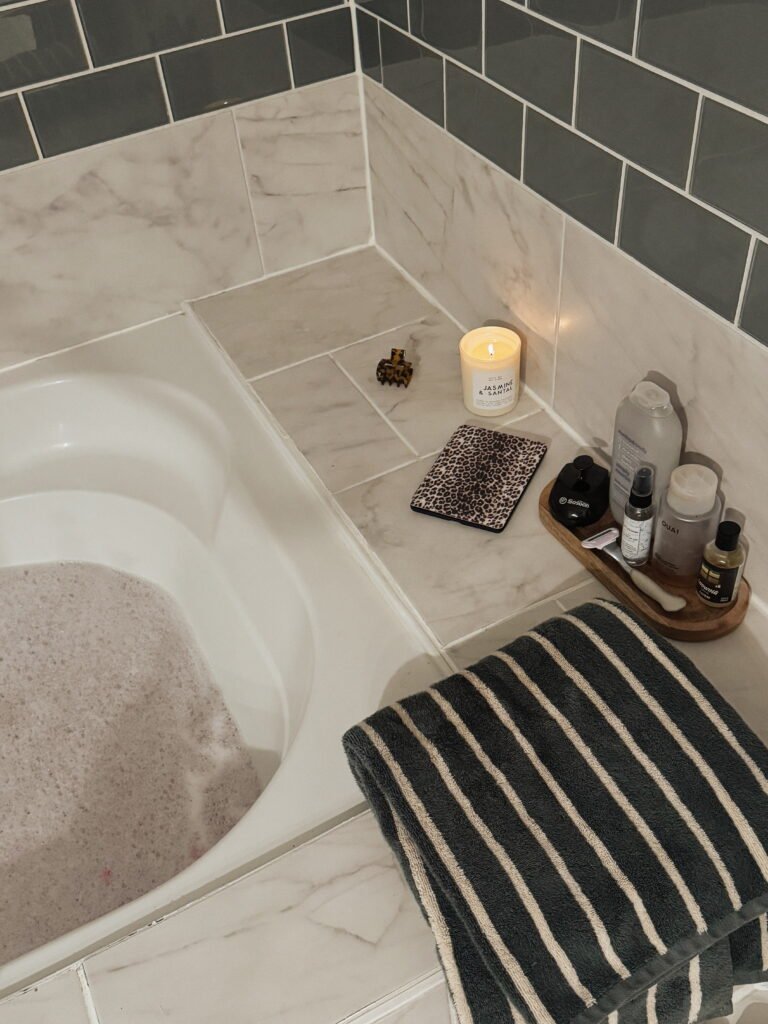
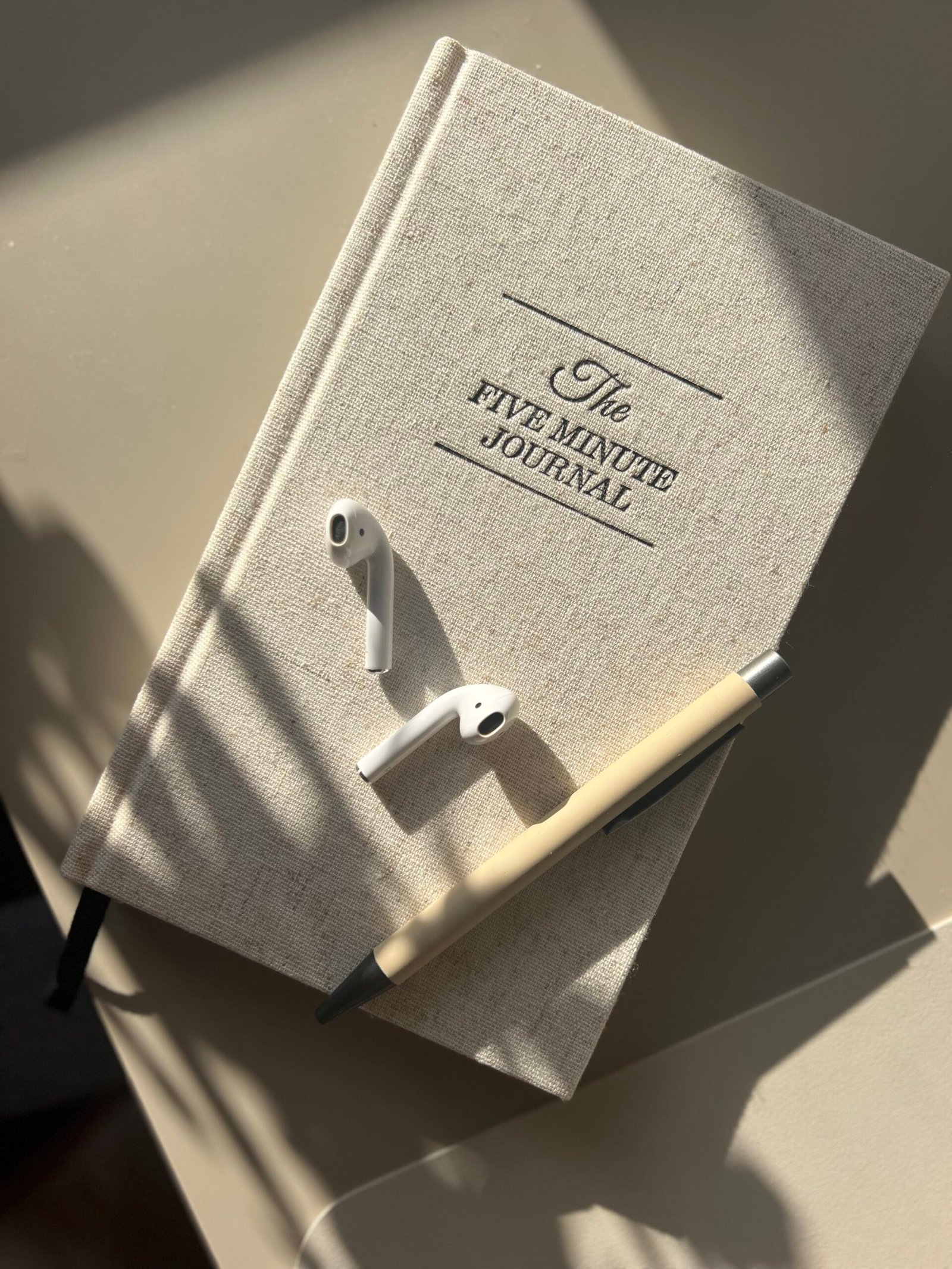
A good journaling session rarely starts with a dramatic breakthrough. It usually starts with a quiet question at the kitchen table, a notebook open, and a small sense that something in your life wants clearer language.
That is why journaling prompts for self-discovery can be so useful. They give your attention somewhere specific to land. Instead of circling the same vague feelings, you start naming what feels true, what feels noisy, and what you actually want more of.
If you’re building a life with more structure, presence, and self-respect, journaling is not just a soft hobby. It can be a practical way to hear yourself again. I tend to come back to prompts like these when I want clarity without turning reflection into a whole performance.
There’s also real support for the practice: Harvard Health has written about how writing about emotions can ease stress and help process difficult experiences, and a review on the emotional and physical health benefits of expressive writing points to improvements in mood and wellbeing when the habit is repeated over time.
Quick win: how to start today
If you want a simple way to use these journaling prompts for self-discovery right away, do this:
- Set a timer for 10 minutes.
- Choose one section below based on what feels most relevant right now.
- Pick 3 questions, not all 40.
- Answer each one in a few honest sentences.
- End by underlining one phrase that feels like a clue.
That’s enough for one session. You do not need a perfect routine to get something useful from the page.
What are journaling prompts for self-discovery?
Journaling prompts for self-discovery are specific questions that help you notice your patterns, preferences, values, desires, and blind spots more clearly. They turn vague reflection into something concrete, which is often what makes self-knowledge actually useful.
In practice, they can help you see where your days feel aligned, where they feel scattered, and what needs a little more intention. If you’ve been wanting tiny habits that quietly build self-trust or a week with more shape and less noise, this is one of the simplest places to begin.
And because self-awareness gets stronger with attention, practices like this can make ordinary decisions feel more deliberate. Harvard Health has even framed self-awareness as a skill you can actively strengthen.
How to use these prompts without overcomplicating it
A few gentle rules make this work better:
- Write by hand if you can. It naturally slows the pace.
- Follow the question that gives you energy. Curiosity is usually a better guide than pressure.
- Stay with specifics. “I want to feel better” is less helpful than “I want calmer mornings and fewer frantic evenings.”
- Do not turn every answer into a fix. Some sessions are just for noticing.
If you only have ten minutes, that is still enough to learn something.
Journaling prompts for self-discovery in your current season
Use these when life feels full, slightly noisy, or ready for a reset.
- What has been taking more of my energy lately than it deserves?
- What part of my life feels easiest right now, and why?
- Where do I feel most like myself during a normal week?
- What am I pretending not to want because it would require change?
- What has been quietly bothering me for longer than I admit?
- What feels especially life-giving in this season?
- What part of my routine no longer matches who I am becoming?
- If I made this month feel more like mine, what would change first?
A lot of self-discovery starts here: not with a personality overhaul, but with naming the difference between what feels aligned and what feels stale. That same difference often shows up in a calmer version of getting your life together or the kind of intentional atmosphere that actually supports your life.
Journaling prompts to notice your habits and patterns
These are helpful when the problem is less “Who am I?” and more “Why do my days keep unfolding this way?”
- What do I do when I want to avoid discomfort?
- Which habit makes the biggest difference in how I feel the next day?
- What do I keep saying I value but rarely make time for?
- Where am I most likely to drift into autopilot?
- What usually happens right before I waste time or attention?
- Which small habit makes me feel more grounded almost immediately?
- What promise to myself do I keep breaking?
- What routine would make my life feel more orderly, not more performative?
Sometimes the most revealing answer is not dramatic at all. It is as simple as realizing you think better after a walk, sleep better when your phone stays out of the bedroom, or feel more confident when the week has one clear priority. If your answers keep pointing toward attention and follow-through, an hour of analog quiet at home or a slower morning with less stimulation might be part of the bigger picture.
Journaling prompts for self-image and identity
This group is for the deeper question beneath so many routines: who am I actually becoming?
- When do I feel most confident in an unforced way?
- What kind of woman am I trying to become in this season?
- What do I admire in other women that I want to practice more myself?
- Where am I still acting from an older version of me?
- What qualities do I want people to feel when they are around me?
- What am I already doing that supports my future self?
- What part of my identity feels strongest right now?
- What part of my identity wants more room?
These questions are especially good when you want reflection to lead somewhere practical. Self-discovery is not just about better language for your feelings. It is also about noticing the identity you are already rehearsing through repeated choices, which is why small, repeatable habits that build self-trust matter so much.
Journaling prompts about relationships and boundaries
Self-discovery is never only private. It also shows up in the way you speak, host, ask, connect, and protect your energy.
- Which relationships leave me feeling more like myself?
- Where have I been overexplaining instead of being clear?
- What kind of support do I wish I asked for more often?
- Where am I saying yes out of guilt, speed, or habit?
- What conversations have I been postponing?
- What do I want my home to feel like when other people are in it?
- Who do I feel calm around?
- What boundary would make everyday life feel lighter?
Sometimes the page shows you that what you want is not distance, but more intention. That might look like simple evening rituals that make connection feel warmer and easier or making more room for conversations that leave you steadier than you were before.
Journaling prompts to clarify what you want next
This final section is where reflection starts turning into direction.
- What do I want more of in my days, even in small ways?
- What am I ready to stop tolerating?
- What would feel like real progress by the end of this month?
- What kind of work, home, or routine am I trying to build?
- What am I curious about enough to follow for six months?
- If I trusted myself more, what would I start?
- What would make my life feel more beautiful and more functional at the same time?
- What is one next step that would honor everything I’ve written here?
This is where journaling becomes especially useful. Once you’ve named what matters, you can actually design around it. If your answers keep circling the same priorities, give them a home: one clearer weekly focus, one finishable project, or one daily habit that proves you can rely on yourself.
What to do with your answers
A journal is most helpful when it doesn’t end as a beautiful stack of private insights and nothing else.
Try this simple follow-through process:
- Circle the recurring themes. Look for repeated words: calm, clarity, home, confidence, rest, friendship, structure, creativity.
- Choose one theme to act on first. You do not need to transform everything at once.
- Turn insight into one concrete change. If you kept writing about noise, your next step might be a phone rule. If you kept writing about loneliness, it might be one invitation. If you kept writing about scattered mornings, it might be a notebook on the kitchen table.
- Return to the page next week. Self-discovery works better as an ongoing conversation than a single grand session.
This is also where journaling starts to support the larger After Scroll idea: a well-lived life is not built only through inspiration. It is built through attention, repetition, and the courage to make small, real decisions in your own favor.
Quick recap
If you want these journaling prompts for self-discovery to actually help you know yourself better, remember this:
- Start with 3 questions, not all 40.
- Answer with specifics, not polished language.
- Notice what keeps repeating.
- Turn one answer into one change in your real life.
- Come back regularly so the page becomes a record of your direction, not just your mood.
A good journal does not need to sound wise. It just needs to tell the truth clearly enough that you can build from it.